
Understanding the Diabetes-ED Connection
Diabetic and ED (erectile dysfunction) are closely linked health conditions that affect millions of men worldwide. If you’re searching for information about this connection, here’s what you need to know:
| The Diabetes-ED Connection | Key Facts |
|---|---|
| Prevalence | Men with diabetes are 3x more likely to develop ED than men without diabetes |
| Overall Rate | 52.5% of diabetic men experience ED (37.5% in type 1, 66.3% in type 2) |
| Timeline | ED typically develops 10–15 years earlier in diabetic men |
| Cause | High blood sugar damages blood vessels and nerves essential for erections |
| Warning Sign | ED can be an early indicator of undiagnosed diabetes or heart disease |
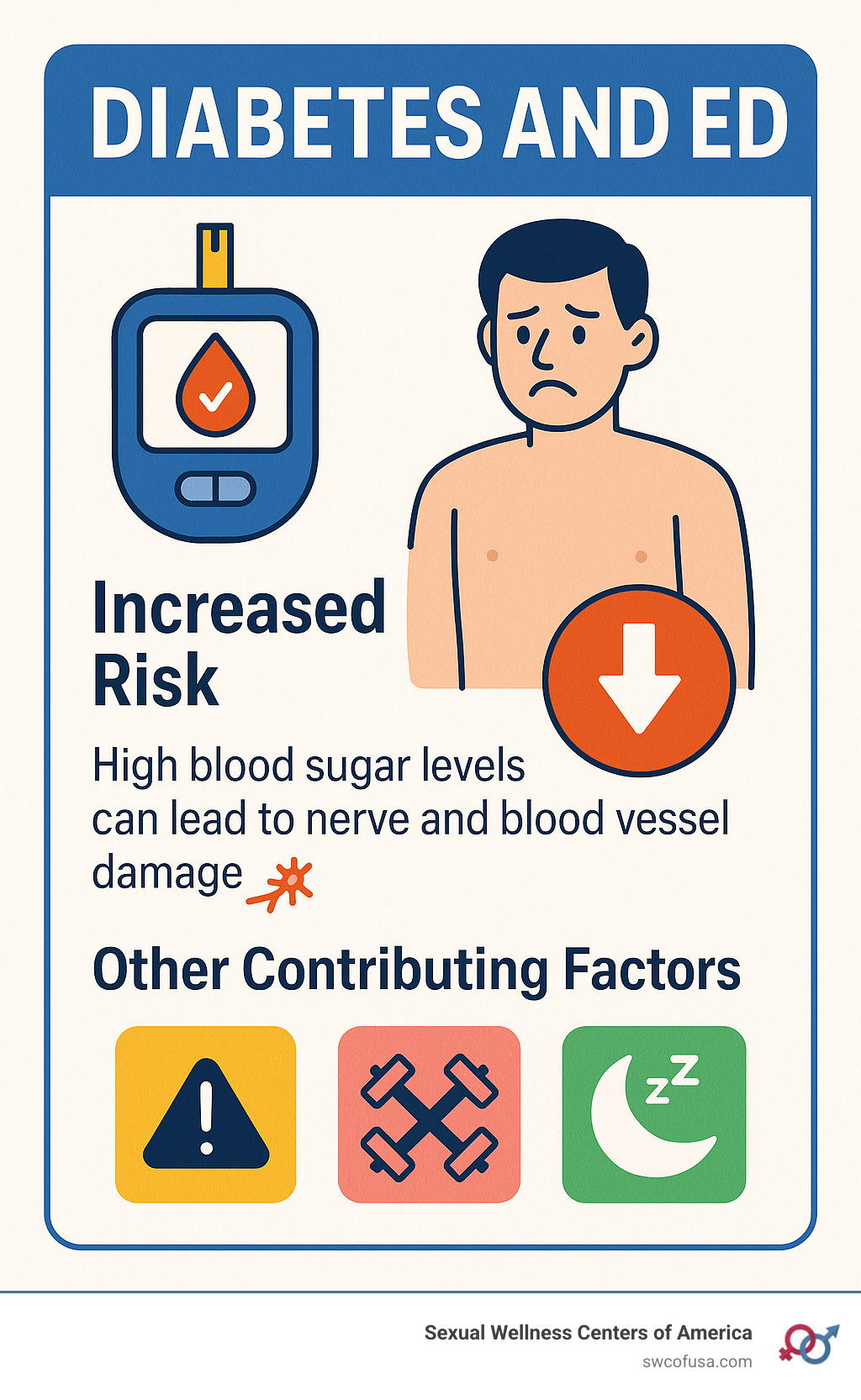
Diabetes and erectile dysfunction share a complex relationship that affects a significant portion of men living with diabetes. When blood sugar levels remain consistently high, they can damage the small blood vessels and nerves that control erections. This damage makes it difficult to achieve or maintain an erection firm enough for sexual activity.
Unlike occasional difficulties that many men experience, diabetic and ED tends to be more persistent and often develops at a younger age. Research shows that men with diabetes typically experience erectile problems 10–15 years earlier than their non-diabetic counterparts. By age 50, approximately 50–60 % of diabetic men have some degree of erectile dysfunction.
The good news? This condition is both treatable and sometimes preventable with proper care. Understanding the connection between these conditions is the first step toward finding effective solutions.
I’m Jeff Nuziard, CEO of Sexual Wellness Centers of America, where I’ve helped countless men steer the challenges of diabetic and ED through personalized treatment plans that address both conditions simultaneously. My experience has shown that with the right approach, most men can regain satisfying sexual function despite diabetes.
The Physiology Behind Diabetic and ED
Ever wonder why diabetes and erectile problems go hand-in-hand? Let’s break down what’s really happening inside your body. Getting and maintaining an erection involves a beautiful symphony of blood vessels, nerves, hormones, and mental factors all working together. When diabetes enters the picture, it can throw this delicate harmony off-key in several important ways.
Vascular Damage
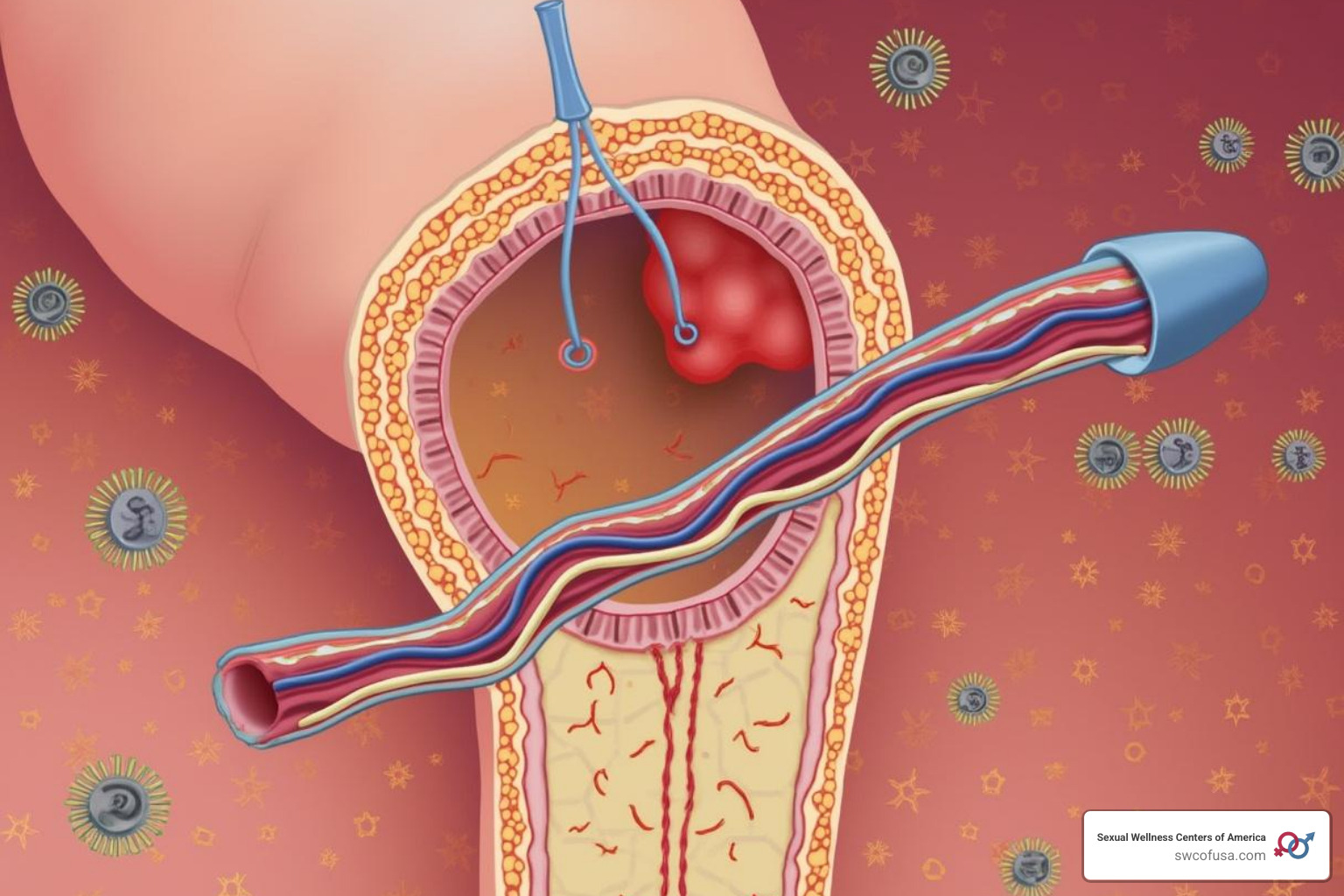
The biggest culprit in diabetic and ED is what happens to your blood vessels. High blood sugar damages the endothelial cells—the special lining inside your blood vessels that helps them expand and contract. When these cells are injured, your vessels can’t dilate properly during arousal.
At Sexual Wellness Centers of America, we often tell our patients: “Imagine your penile blood vessels as garden hoses. Diabetes gradually narrows these hoses, restricting water flow. Eventually, the pressure becomes too low to create a firm erection.”
Neuropathy (Nerve Damage)
Your nervous system is like the electrical wiring of your body, and diabetes can fray these wires over time—a condition called diabetic neuropathy. The nerves that carry arousal signals between your brain and penis can become damaged, causing miscommunication. Your brain might send “get excited” messages that never arrive, or your penis might experience sensations that don’t properly register upstairs.
Hormonal Imbalances
Men with diabetes, especially type 2, often experience lower testosterone levels. This isn’t just about muscle mass—testosterone fuels your sexual desire and supports erectile function. When it dips, both your interest in sex and your physical response can diminish. The insulin resistance and metabolic syndrome that often accompany type 2 diabetes further disrupt this delicate hormone balance.
Oxidative Stress
Think of oxidative stress as internal “rusting.” When your blood sugar stays high, it creates excessive free radicals that cause inflammation and damage tissues. The sensitive tissues involved in erections are particularly vulnerable to this oxidative damage.
How Poor Glycemic Control Triggers ED
When your blood sugar remains consistently high, several harmful processes kick into motion:
First, Advanced Glycation End Products (AGEs) form when sugar molecules attach to proteins and lipids without proper control. Think of AGEs as sugar-coating your blood vessels and nerves—but not in a good way. They damage vessel walls and nerve tissue essential for erections.
Second, your body produces less nitric oxide—the crucial chemical that tells penile blood vessels to relax and expand. It’s like the doorman that lets blood flow in to create an erection. Diabetes essentially fires this doorman, making it harder for blood to enter.
Third, microvascular injury occurs in the smallest blood vessels feeding your penis. These tiny capillaries are often the first casualties of high blood sugar, and since erections depend on these vessels working properly, even early diabetic changes can impact your bedroom performance.
At Sexual Wellness Centers of America, we consistently see how blood sugar control directly correlates with erectile function. Men who keep their glucose levels in check report significantly better erectile response than those with poor control.
Diabetic and ED: Why It Happens 10-15 Years Earlier
One of the most troubling aspects of diabetic and ED is its premature arrival. Research shows that men with diabetes typically develop erectile dysfunction 10-15 years earlier than men without diabetes. Here’s why this fast-tracking happens:
Your arterial stiffness develops more rapidly with diabetes, reducing the natural elasticity needed for blood to flow properly during arousal. It’s like aging your blood vessels before their time.
Autonomic neuropathy affects your involuntary nervous system earlier than previously thought, compromising the automatic responses needed for erections.
Testosterone levels often begin declining prematurely in diabetic men, removing a key player in sexual function before its natural exit time.
Endothelial dysfunction can begin during pre-diabetes, affecting your erectile capacity before other complications even appear—like an early warning system your body is using to signal bigger problems.
This earlier onset means that even younger men with diabetes need to pay close attention to both blood sugar control and sexual health. At Sexual Wellness Centers of America, we often see men in their 30s and 40s who are surprised to learn their diabetes is already affecting their sexual performance.
Scientific research on pathogenic mechanisms confirms these connections, showing just how intertwined these conditions truly are.
How Common Is It? Prevalence, Risk Factors & Red Flags
When we talk about diabetic and ED, the numbers tell a compelling story. More than half of men with diabetes—about 52.5%—experience some form of erectile dysfunction. Compare this to roughly 26% in men without diabetes, and you’ll see diabetic men face a risk approximately 3.5 times higher than their non-diabetic peers.
The picture looks different depending on which type of diabetes a man has:
- Type 1 diabetes: About 37.5% experience ED
- Type 2 diabetes: A whopping 66.3% deal with ED
Age plays a crucial role too. While younger diabetic men aren’t immune, the chances increase significantly as men get older:

In our clinic, we see this progression regularly—men in their early 30s might have a 15% chance, but by their early 50s, that jumps to 50-60%. For men over 70 with diabetes, nearly 95% experience some degree of erectile difficulties.
A landmark study published in 2007 in the Journal of the American College of Cardiology found something truly eye-opening: 90% of men with erectile dysfunction had at least one cardiovascular risk factor, with diabetes being among the most common. This highlights an important truth we share with our patients—ED isn’t just about what’s happening below the belt; it’s often a warning sign of overall cardiovascular health.
What increases your risk? Several factors can make diabetic and ED more likely:
Duration of diabetes matters tremendously—the longer you’ve had diabetes, the higher your risk. Poor blood sugar control accelerates the damage to blood vessels and nerves essential for healthy erections. If your HbA1c levels consistently run high, your erection quality often heads in the opposite direction.
Carrying extra weight compounds the problem by increasing insulin resistance and throwing hormones out of balance. Add high blood pressure to the mix, and you’re further damaging the very blood vessels needed for good erections.
Men with diabetes who have abnormal cholesterol levels face additional challenges to their vascular health. And if you smoke? You’re practically inviting ED—tobacco use dramatically increases risk by further damaging those critical blood vessels.
Depression often enters the picture too, creating a difficult cycle where mental health challenges both cause and result from sexual difficulties. And sometimes, the very medications prescribed to treat diabetes complications can contribute to erectile problems.
Can ED Signal Undiagnosed Diabetes?
Here’s something that might surprise you: erectile dysfunction can actually be your body’s early warning system for undiagnosed diabetes. In our practice at Sexual Wellness Centers of America, we’ve seen countless men who came in seeking help for ED only to find they had undiagnosed diabetes during their evaluation.
Research suggests ED can appear 2-5 years before a diabetes diagnosis in many men. Even more eye-opening, erectile difficulties often show up 3-5 years before other cardiovascular symptoms in diabetic men. This makes ED potentially life-saving as an early indicator.
When a man under 60 develops ED without an obvious cause, we always recommend comprehensive metabolic screening, including glucose tolerance testing and cardiovascular assessment. Sometimes, the penis is actually the canary in the coal mine for your overall health.
Diabetic and ED in Younger Men
While many people think of erectile dysfunction as an older man’s issue, we’re increasingly seeing diabetic and ED in younger men, particularly those under 45. This troubling trend mirrors the rising rates of type 2 diabetes in younger populations.

Several factors are driving this change. Earlier onset of obesity and increasingly sedentary lifestyles are major culprits. The widespread consumption of highly processed foods doesn’t help either. Add in higher stress levels that affect both metabolic health and sexual function, plus environmental factors that may impact glucose metabolism and hormonal balance, and you have a perfect storm.
For men under 45 experiencing erectile difficulties, diabetes screening isn’t just a good idea—it’s essential. Early intervention can potentially prevent both worsening ED and the development of other diabetic complications.
I often tell younger patients that addressing these issues in their 30s or 40s isn’t just about better sex now—it’s about protecting their overall health for decades to come.
Prevention & Lifestyle Upgrades That Work
The good news about diabetic and ED is that many cases can be prevented or improved through simple lifestyle changes. At Sexual Wellness Centers of America, we’ve seen remarkable improvements in men who accept these evidence-based approaches.
Weight Management
Shedding just 5-7% of your body weight can work wonders for both blood sugar control and erectile function. For most men, that’s just 10-15 pounds – not a dramatic change, but enough to improve insulin sensitivity, reduce inflammation, and improve blood flow to all the right places.
“I remember one patient who lost 12 pounds over three months,” I often share with new patients. “His blood sugar readings improved within weeks, and by month four, he reported significantly better erections. Small changes really do add up.”
Mediterranean Diet
Your plate has more power over your performance than you might think. A Mediterranean-style eating pattern rich in colorful vegetables, olive oil, nuts, and fish supports both heart and sexual health naturally. This approach reduces inflammation, improves the function of blood vessel linings, boosts nitric oxide (the molecule that helps blood vessels dilate), and supports healthy testosterone levels.
The best part? This isn’t about deprivation – it’s about enjoying delicious foods that happen to be good for your entire body, including your sexual function.
Regular Physical Activity
Your body was designed to move, and your erections benefit when you do. We recommend combining aerobic exercise (like brisk walking or swimming) with some resistance training for optimal results. Aim for 150 minutes of moderate activity weekly, spread across several days, plus 2-3 strength sessions.
Exercise improves erectile function through multiple pathways – better circulation, improved glucose control, weight management, stress reduction, and mood improvement. Many of our patients report better sexual response after establishing a consistent exercise routine, even before significant weight loss occurs.
Smoking Cessation
If diabetes damages your blood vessels, smoking pours gasoline on that fire. Quitting smoking can lead to noticeable improvements in erectile function, often within just a few weeks as blood vessels begin to heal. While quitting isn’t easy, the sexual benefits provide powerful motivation for many men.

Alcohol Moderation
A glass of wine with dinner isn’t typically problematic, but excessive drinking can worsen both diabetes control and erectile function. We suggest limiting alcohol to no more than two drinks daily for men under 65, and just one drink daily for those over 65. Your blood vessels – and your erections – will thank you.
Sleep Quality
Poor sleep disrupts glucose metabolism and hormone production in ways that directly impact erectile function. Prioritizing 7-8 hours of quality sleep supports both diabetes management and sexual health. For those with sleep apnea – which is common in diabetic men – proper treatment can dramatically improve erectile function, sometimes within days of starting therapy.
Stress Management
Chronic stress raises cortisol levels, which interferes with both glucose control and sexual function. Finding effective ways to manage stress – whether through mindfulness meditation, deep breathing exercises, regular physical activity, adequate leisure time, or professional counseling – can improve both your diabetes management and your sexual performance.
Blood Sugar Targets for Better Erections
Maintaining stable blood glucose levels is perhaps the single most important factor in preventing and managing diabetic and ED. Men who achieve these targets consistently report better erectile function:
- HbA1c below 7.0% (ideally closer to 6.5% if achievable without hypoglycemia)
- Fasting blood glucose between 80-130 mg/dL
- Post-meal glucose below 180 mg/dL
Regular glucose monitoring provides valuable feedback that helps maintain these targets. Whether you use traditional finger sticks or a continuous glucose monitoring system, staying aware of your levels helps prevent the glucose fluctuations that damage blood vessels and nerves essential for healthy erections.
Taking your diabetes medications as prescribed is equally important – these medications help stabilize glucose levels and protect erectile function over the long term.
Partner & Mental Health Support for Diabetic and ED
The psychological impact of erectile dysfunction can be profound, often creating a cycle where performance anxiety makes physical symptoms worse. At Sexual Wellness Centers of America, we know that effective treatment must address both body and mind.
Open communication with partners about expectations and concerns helps reduce pressure and maintain intimacy during treatment. Many couples find new ways to connect sexually that don’t depend entirely on erections.
Anxiety and depression are common companions to both diabetes and erectile dysfunction. Addressing these conditions through counseling or appropriate medication can significantly improve sexual outcomes.
Sex therapy or couples counseling offers specialized support for the relationship dynamics affected by sexual difficulties. A skilled therapist can help couples steer the emotional aspects of diabetic and ED while strengthening their connection.
Erectile dysfunction is a medical condition, not a reflection of your manhood or relationship quality. With proper support and the lifestyle changes outlined above, most men can experience significant improvements in both their diabetes management and their sexual function.
For more information about natural approaches to erectile dysfunction, visit our natural erectile dysfunction remedies page.
Treatment Options for Men With Diabetes-Related ED
Living with diabetic and ED doesn’t mean giving up on a satisfying sex life. At Sexual Wellness Centers of America, we see men regain their confidence and intimacy every day through personalized treatment plans that address their unique needs.
First-Line Treatments: PDE5 Inhibitors
When it comes to treating erectile dysfunction in diabetic men, PDE5 inhibitors remain our go-to starting point. These medications work like a helping hand for your body’s natural processes, enhancing nitric oxide effects to improve blood flow where it matters most during arousal.
“Think of these medications as opening the floodgates,” I often tell my patients. “They don’t create desire, but they do remove the physical barriers to responding to that desire.”
The most common options include:
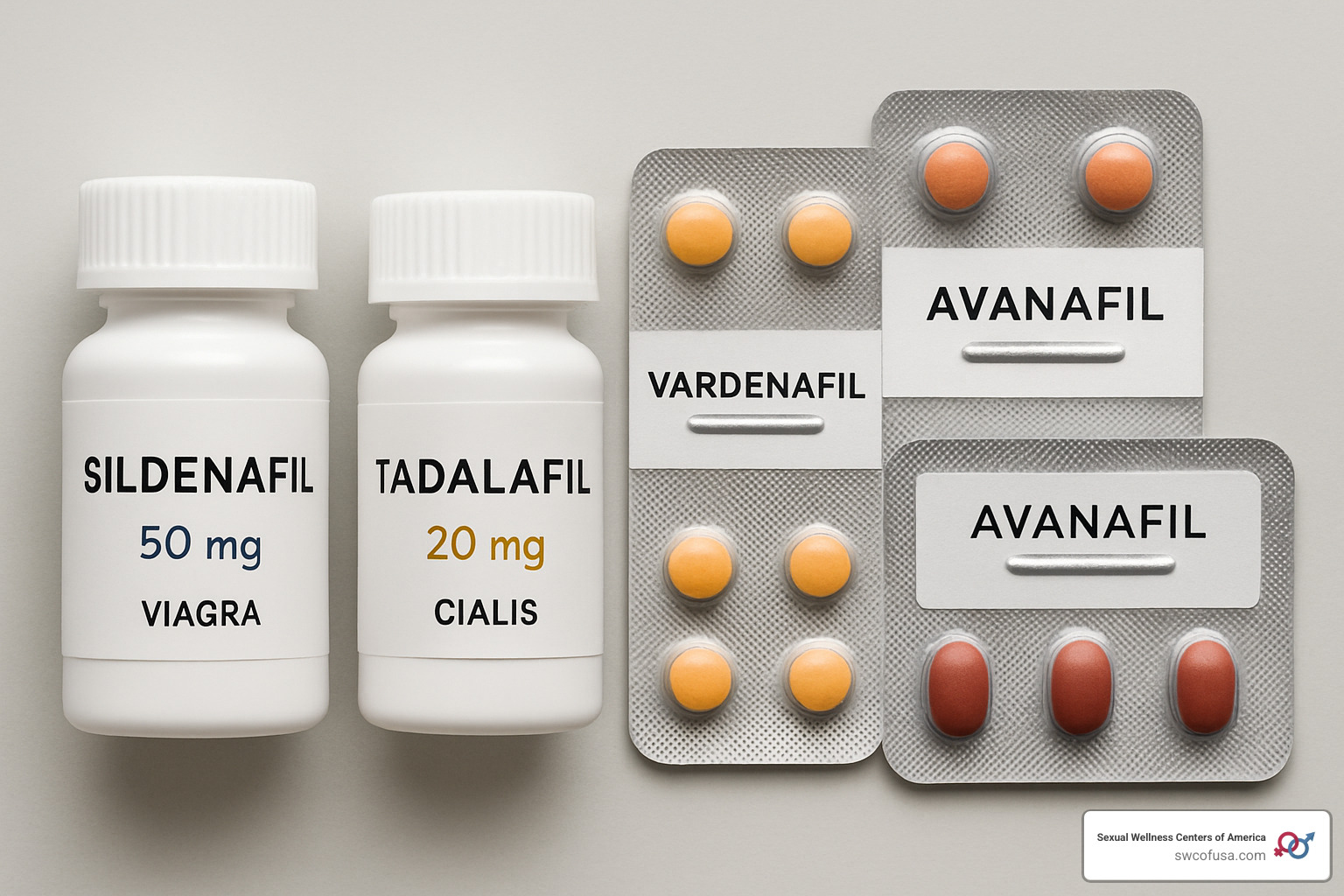
Sildenafil (Viagra) works for about 4 hours and should be taken 30–60 minutes before intimacy. For best results, avoid high-fat meals that can slow absorption.
Tadalafil (Cialis) offers more flexibility with both “as needed” options that work up to 36 hours and daily low-dose options that keep you ready anytime. Many of my patients appreciate that it’s less affected by what you eat.
Vardenafil (Levitra) acts similarly to sildenafil but may kick in a bit faster for some men.
Avanafil (Stendra) is the newest kid on the block, working quickly (15–30 minutes) with fewer side effects than its older cousins.
While these medications help 50–70 % of diabetic men—slightly lower than the 70–80 % success rate in non-diabetic men—they remain effective for most, especially those keeping good control of their blood sugar.
To get the most from these medications, timing matters. Take them as directed, ensure you’re aroused (they don’t work without stimulation), and give each medication 6–8 fair tries before deciding it’s not for you. If one type doesn’t work well, another might be your perfect match.
Second-Line Treatments
When pills don’t deliver the results you’re hoping for, we have several effective alternatives that help many men with diabetic and ED:
Intracavernosal injections might sound intimidating at first, but they’re actually quite manageable. Medications like alprostadil are injected directly into the side of the penis with a tiny needle, producing an erection within 5–15 minutes regardless of your mood or arousal level. Over 70 % of diabetic men respond well to this approach.
Vacuum erection devices offer a non-medication option. These mechanical pumps create negative pressure that draws blood into the penis, and then a constriction band keeps it there. About two-thirds of men find this method effective, and many appreciate the non-chemical approach.
Intraurethral suppositories involve placing a small medicated pellet into the urethra, which can produce an erection within 10–15 minutes.
Penile constriction rings can be helpful for men who can get hard but have trouble staying that way. These simple devices help trap blood in the penis to maintain firmness.
Advanced Treatments
For men who need more help, we offer sophisticated solutions with excellent success rates:
Penile implants/prostheses have come a long way from their early days. Modern implants are reliable, discreet, and allow for both flaccid and erect states—essentially giving you back control of your sexual function. Satisfaction rates exceed 90 % in many studies, making this one of our most successful options for men with severe diabetic and ED.
Testosterone replacement therapy can be a game-changer for diabetic men with confirmed low testosterone. When combined with other treatments, restoring hormonal balance often improves both sexual desire and erectile function.
At our Colleyville, TX center, we’re particularly proud of our innovative approaches, including our proprietary HEshot® and regenMAX technologies. These regenerative treatments have achieved remarkable 97.2 % success rates in reversing ED, even in complex cases involving diabetes.
Are ED Drugs Safe for Diabetics?
I understand the concern about adding more medications when you’re already managing diabetes. The good news is that ED medications are generally safe for most diabetic men when properly prescribed.
Cardiovascular safety is our top priority. If you have unstable heart conditions, we’ll recommend a cardiac evaluation first. However, stable cardiovascular disease usually isn’t a reason to avoid these medications.
The most important safety rule: Never take PDE5 inhibitors with nitrate medications like nitroglycerin. This combination can cause dangerous drops in blood pressure.
If you have uncontrolled hypertension, we’ll work with you to improve your blood pressure management before starting ED treatment.
Most side effects are mild and temporary—headache, flushing, indigestion, and nasal congestion being the most common. Diabetic men typically don’t experience more side effects than others.
Very rarely, some men notice vision or hearing changes. If this happens, seek immediate medical attention.
Rest assured, we carefully screen all patients for potential issues and monitor for side effects throughout your treatment journey.
Combining Diabetes Meds With ED Therapies
“Will my diabetes medications interfere with ED treatments?” This is one of the most common questions I hear from patients. Fortunately, most diabetes medications play nicely with ED therapies.
Metformin, the most commonly prescribed diabetes medication, has no significant interactions with ED medications and may actually improve erectile function through better vascular health.
SGLT-2 inhibitors like empagliflozin and dapagliflozin don’t have major interactions with ED medications. Some research even suggests they might indirectly benefit erectile function by improving heart health.
GLP-1 receptor agonists work well alongside ED medications, and the weight loss they often produce can improve erectile function as a bonus.
DPP-4 inhibitors are generally safe to use with ED treatments.
Insulin has no direct interactions with ED medications. In fact, better glucose control from insulin therapy may improve erectile function over time.
Sulfonylureas don’t typically cause problems, though we’ll monitor for hypoglycemia risk.
Pioglitazone might actually improve the effectiveness of PDE5 inhibitors, according to some research.
We always coordinate care with your endocrinologist or primary care provider to ensure all your medications work together harmoniously.

Emerging & Regenerative Therapies
The most exciting developments in treating diabetic and ED involve regenerative approaches that address the root causes of the problem:
Platelet-Rich Plasma (PRP) Therapy is at the heart of our proprietary HEshot® treatment. We harness the healing power of platelets from your own blood to stimulate tissue repair and improve blood flow—essentially helping your body heal itself.
Low-Intensity Shockwave Therapy uses gentle sound waves to stimulate new blood vessel formation and improve existing blood flow in the penis. Many men appreciate this non-invasive option that helps restore natural function.
Stem Cell Therapy, while still investigational, shows tremendous promise for regenerating damaged erectile tissue. Early research results have us optimistic about future applications.
Novel drug targets are being researched that specifically address the mechanisms of diabetic ED, including the RhoA/ROCK pathway, angiotensin system, and inflammatory mediators.
Our regenMAX technology combines multiple regenerative approaches for improved results. We’re proud of its 97.2 % efficacy rate in reversing ED, even in complex diabetic cases that haven’t responded to traditional treatments.
What makes these emerging therapies particularly exciting is that they don’t just mask symptoms—they address the underlying vascular and tissue damage caused by diabetes, potentially offering more complete restoration of natural function than traditional treatments ever could.
At Sexual Wellness Centers of America, we’re committed to staying at the forefront of these innovations, offering you the most effective solutions available for reclaiming your sexual health and confidence.
Frequently Asked Questions about Diabetic and ED
What lifestyle change offers the biggest improvement?
When men ask me which change will give them the biggest bang for their buck, my answer is almost always the same: focus on weight loss first.
For overweight men with diabetic and ED, shedding just 5–7 % of your body weight can create remarkable improvements in both your diabetes control and what happens in the bedroom. That’s often just 10–15 pounds for many guys, but it makes a world of difference.
Why does weight loss work so well? It’s like hitting multiple targets with one arrow. When you lose weight, you simultaneously reduce insulin resistance, lower inflammation, balance your hormones, and improve blood flow. All these factors directly impact your ability to achieve and maintain an erection.
One patient told me recently, “Doc, I’ve tried everything for my ED, but nothing worked until I lost those first 15 pounds. It’s like someone flipped a switch!” His experience mirrors what research consistently shows—weight management creates the foundation for everything else to work better.
Can diabetic erectile dysfunction be reversed completely?
“Can I get back to normal?” This might be the question I hear most often in my office. The honest answer is: it depends on several key factors.
Think of diabetic and ED like a spectrum rather than an on/off switch. Your potential for improvement depends on:
- How long you’ve had diabetes (shorter duration typically means better recovery)
- The extent of blood vessel and nerve damage already present
- How well you control your blood sugar moving forward
- Other health conditions you might have
- Your age and overall health
For men who catch the problem early and maintain excellent glucose control, complete reversal is absolutely possible. Even in more advanced cases, I’ve seen remarkable improvements with the right treatment approach.
At Sexual Wellness Centers of America, we’ve achieved success rates exceeding 97 % in restoring satisfactory erectile function through our comprehensive approach. We combine lifestyle optimization, targeted medical therapies, and innovative regenerative treatments like our regenMAX technology to address the root causes of diabetic and ED.
As one patient in his 60s with a 15-year diabetes history put it, “I’d given up hope completely. Now I feel like I’m in my 30s again. I never thought that was possible.”
When should I see a specialist about ED?
Men often wait far too long before seeking help for erectile problems—an average of 2–3 years according to research. This delay only makes treatment more challenging.
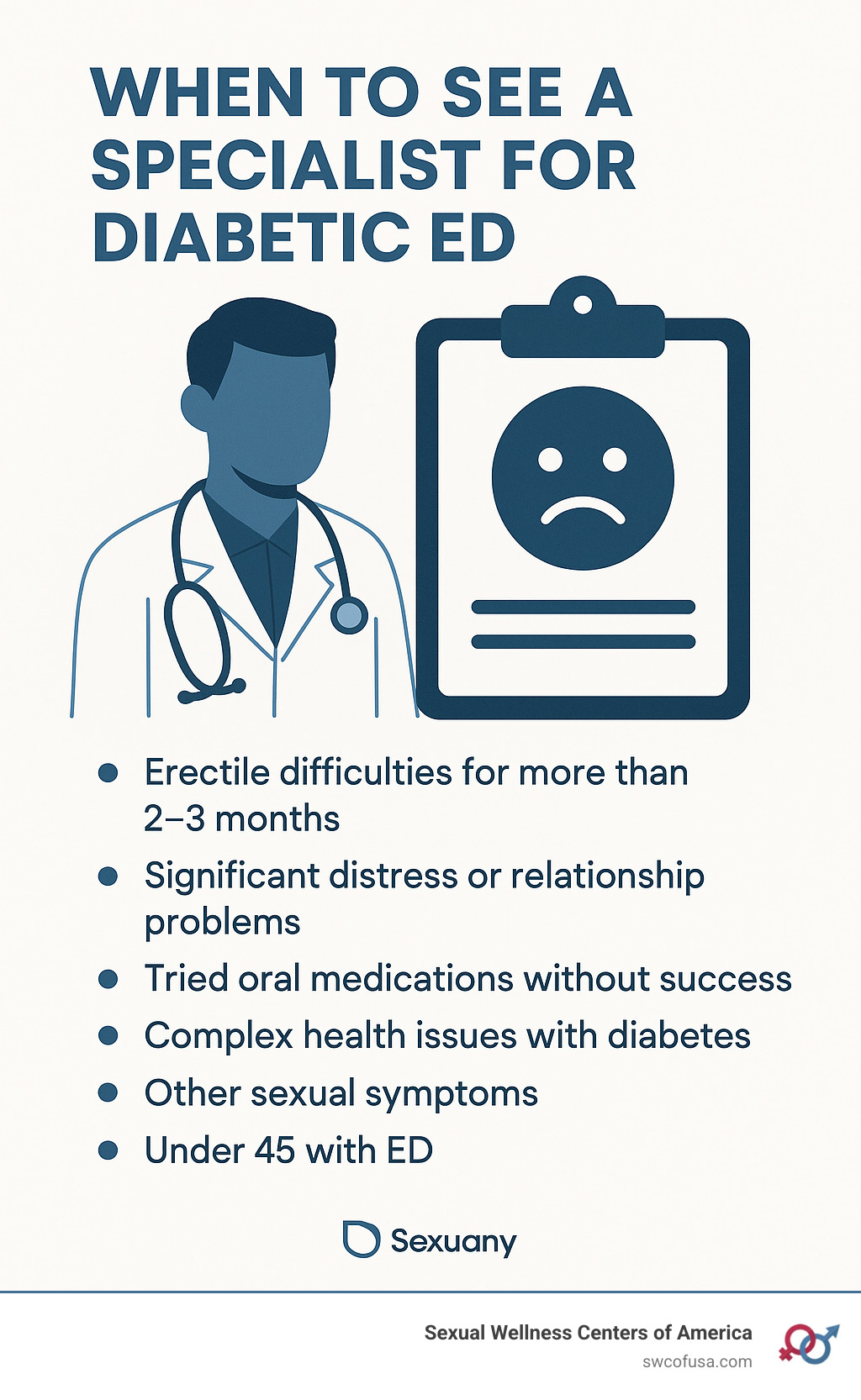
I recommend consulting a specialist if:
- You’ve experienced erectile difficulties consistently for more than 2–3 months
- ED is causing significant distress or creating problems in your relationship
- You’ve tried oral medications without satisfactory results
- You have other health complications alongside diabetes
- You’re experiencing additional sexual symptoms like low desire or ejaculation problems
- You’re under 45 and experiencing ED (which could signal undiagnosed diabetes)
Early intervention nearly always leads to better outcomes. As one of my patients wisely said, “I wasted two years being embarrassed about something that took just two months to fix.”
Diabetic and ED is a medical condition, not a reflection of your manhood. The right specialist will approach your concerns with respect, understanding, and clinical expertise. At Sexual Wellness Centers of America, we create a comfortable environment where men can discuss these sensitive issues openly and find solutions that work for their specific situation.
Conclusion
The connection between diabetes and erectile dysfunction is clear, but having diabetic and ED doesn’t mean the end of a satisfying sex life. With proper understanding, management, and treatment, the vast majority of men can overcome this challenge and reclaim their intimate relationships.
Throughout this guide, we’ve explored how diabetes affects sexual function and the many ways to address these challenges. Let’s take a moment to reflect on what we’ve learned.
Early intervention makes all the difference. Addressing erectile dysfunction at its first signs provides the best chance for successful treatment and may uncover undiagnosed diabetes or heart disease. Many men wait too long before seeking help, but those who act quickly typically see better outcomes.
Blood sugar control is your most powerful ally. Maintaining stable glucose levels within your target range isn’t just good for your overall health—it’s perhaps the single most important factor in preventing and managing diabetic ED. Every point you lower your A1C can translate to improved erectile function.
The lifestyle changes we’ve discussed aren’t just good advice—they’re powerful medicine. Healthy eating, regular physical activity, weight management, and stress reduction can significantly improve both diabetes control and erectile function. Sometimes these changes alone can restore satisfactory sexual performance, especially in early stages.
Modern medicine offers more solutions than ever before. From oral medications to advanced regenerative therapies, today’s treatment options can restore satisfying sexual function for most men with diabetes. At Sexual Wellness Centers of America, our proprietary HEshot® and regenMAX technologies have helped countless men regain confidence in the bedroom.
The mind-body connection matters tremendously. Addressing physical, psychological, and relationship factors simultaneously yields the most complete recovery. Open communication with your partner and appropriate mental health support can make all the difference in your treatment journey.
At Sexual Wellness Centers of America in Colleyville, TX, we specialize in helping men with diabetic and ED reclaim their sexual health and confidence. Our personalized treatment plans combine the latest medical advances with comprehensive lifestyle support and psychological care. We understand the intimate connection between metabolic health and sexual function, and we’re committed to addressing both for optimal results.
Our approach has achieved a remarkable 97.2 % efficacy rate in erectile dysfunction reversal, even in complex cases involving long-standing diabetes. We’ve seen men who had given up hope refind the joy of physical intimacy after years of frustration.
Don’t let diabetic and ED define your life or relationship. With the right care and support, you can regain the sexual vitality you deserve, regardless of your diabetes status. Contact us today to learn how we can help you overcome this challenge and restore confidence in your intimate life.
Erectile dysfunction with diabetes isn’t just a condition to manage—it’s a challenge you can overcome with the right support and treatment approach. Your best intimate life may still be ahead of you.