
Understanding Your Options for Hormone Replacement Therapy for Women
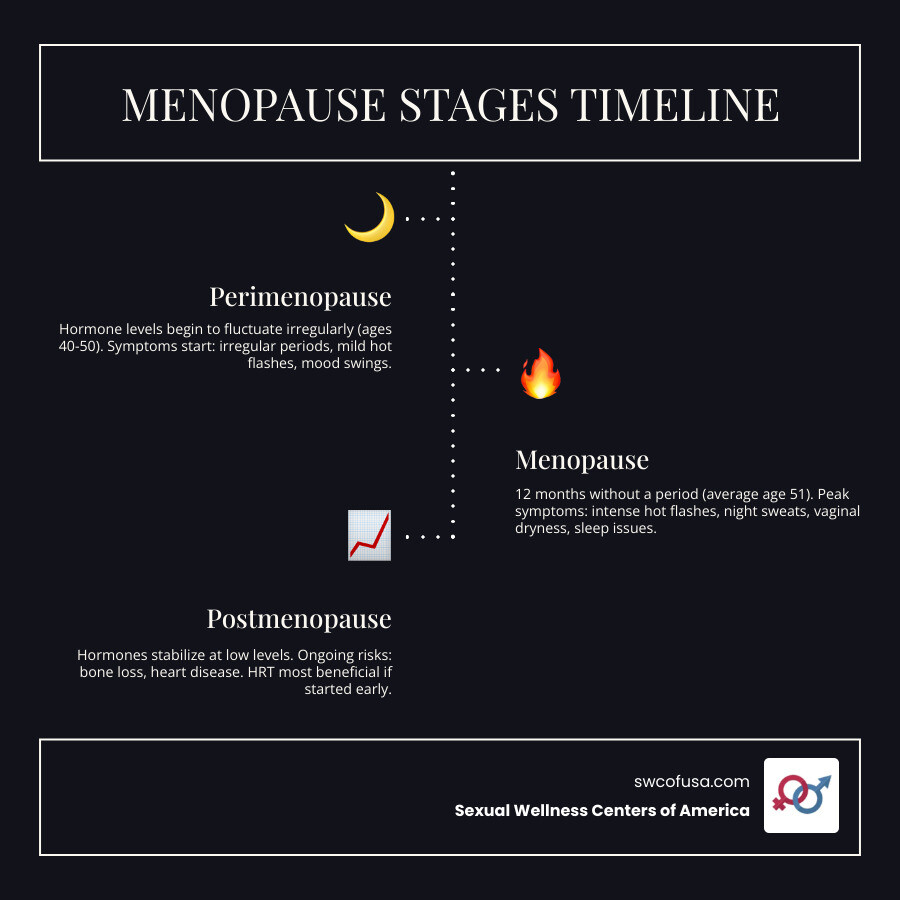
Hormone replacement therapy for women is a medical treatment that replenishes estrogen and progesterone—two hormones your body produces less of during menopause. Here’s what you need to know:
Quick Facts About HRT:
- What it treats: Hot flashes, night sweats, vaginal dryness, sleep problems, and bone loss
- Main types: Systemic therapy (affects whole body) or low-dose vaginal estrogen (local effects only)
- Forms available: Pills, patches, gels, creams, rings, and sprays
- Best timing: Within 10 years of menopause or before age 60 for optimal benefits
- Key consideration: Women with a uterus need combination therapy (estrogen + progesterone) to protect against uterine cancer
Around 1.5 million women between ages 45-55 experience menopausal symptoms severe enough to affect their quality of life. Yet many still feel confused about whether HRT is right for them—especially after years of conflicting information about its safety.
The good news? In 2025, the FDA removed black box warnings from many HRT products, marking a major shift in how we understand this treatment. Recent research shows that when started at the right time, HRT can reduce cardiovascular disease risk by up to 50%, Alzheimer’s risk by 35%, and bone fractures by 50-60%.
I’m Jeff Nuziard, CEO of Sexual Wellness Centers of America, and I’ve dedicated my career to helping women navigate hormone replacement therapy for women and other sexual wellness solutions. For years, I’ve worked alongside healthcare experts to provide science-backed, personalized treatments that restore quality of life during menopause and beyond.
Hormone replacement therapy for women terminology:
- hormone replacement therapy and weight loss
- hormone replacement therapy cost
- hormone replacement therapy near me
What is Hormone Replacement Therapy for Women?
At its core, hormone replacement therapy for women is about restoring balance. Think of your hormones as a complex internal thermostat. For decades, your body has run on a steady supply of estrogen and progesterone. When you hit perimenopause and menopause, that thermostat starts acting up. One minute you’re fine, and the next, you’re looking for a walk-in freezer to stand in because a “power surge” (also known as a hot flash) has taken over.
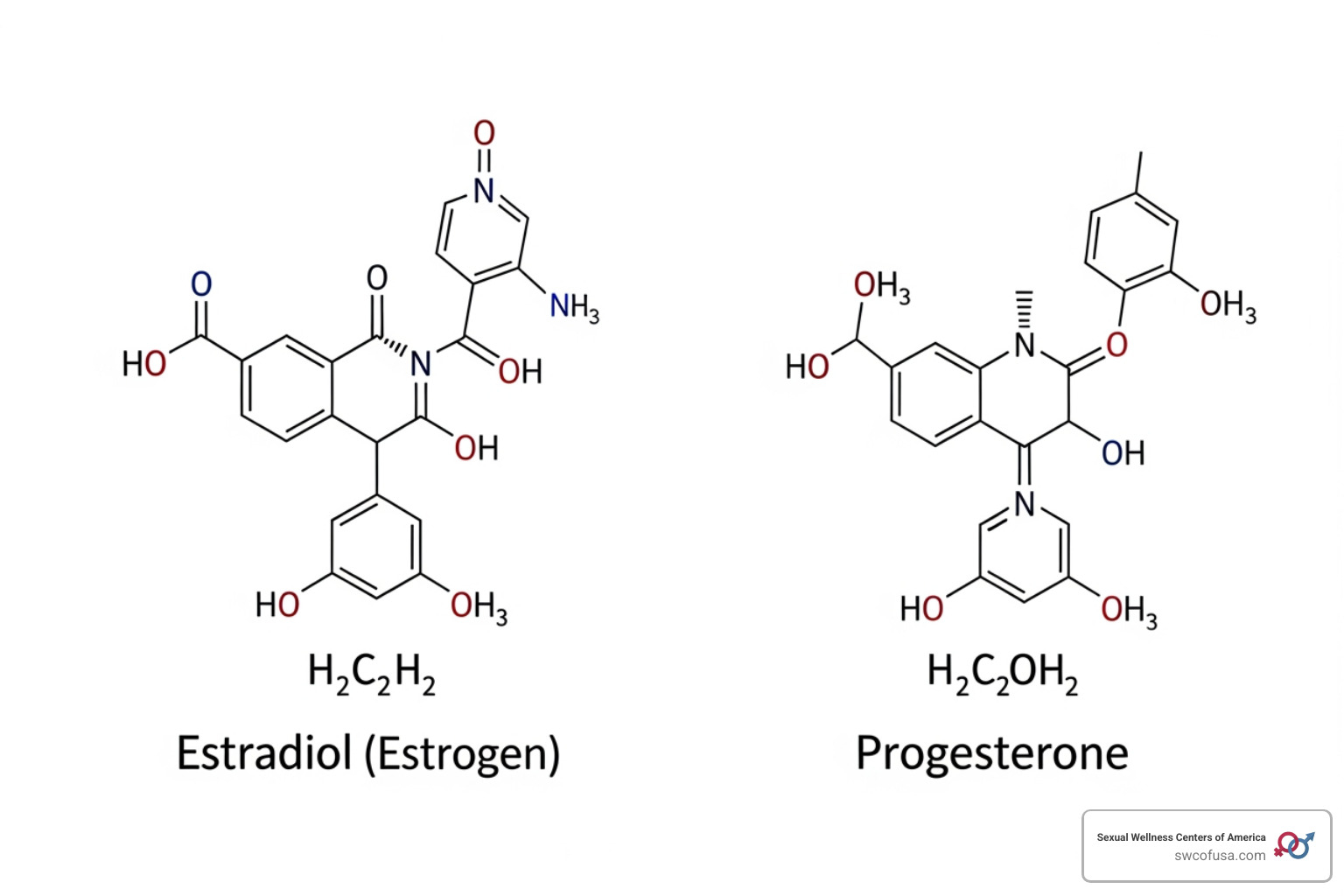
Estrogen is the heavy lifter here. It’s responsible for keeping your bones strong, your heart healthy, and your brain sharp. Progesterone works alongside it, primarily managing the lining of the uterus. When these levels drop, the “vasomotor symptoms”—the medical term for hot flashes and night sweats—begin. We focus on Hormone Balancing for Women because we know that when these levels are off, everything from your mood to your metabolic health feels “off” too.
According to scientific research on estrogen therapy, estrogen binds to receptors throughout the body, regulating gene transcription in tissues ranging from the brain to the reproductive system. It’s not just about stopping “the change”; it’s about maintaining the biological functions that keep you feeling like yourself.
Systemic vs. Local Hormone Replacement Therapy for Women
When we talk about hormone replacement therapy for women, there isn’t a “one size fits all” bottle on the shelf. We generally categorize HRT into two main delivery methods: systemic and local.
- Systemic Therapy: This is designed to travel through your entire bloodstream. It comes in the form of pills, skin patches, gels, or sprays. Because it reaches the whole body, it is the most effective way to treat those pesky hot flashes, night sweats, and to protect your bones from osteoporosis.
- Local (Vaginal) Therapy: Sometimes, a woman’s only symptoms are related to vaginal dryness or urinary issues (often called Genitourinary Syndrome of Menopause, or GSM). In these cases, we might recommend low-dose vaginal creams, rings, or tablets. These have very low systemic absorption, meaning the hormones stay mostly in the local tissue, which minimizes risks for those who shouldn’t have high levels of estrogen in their bloodstream.
We often get asked about the Hormone Replacement Therapy Cost. While prices vary based on the delivery method and whether you choose FDA-approved bioidenticals, we believe it is an investment in your long-term vitality.
Estrogen-Only vs. Combination Therapy
This is a vital distinction in hormone replacement therapy for women.
- Estrogen-Only Therapy (ET): This is typically prescribed for women who have had a hysterectomy (surgery to remove the uterus). Since there is no uterine lining to protect, estrogen can be taken alone.
- Combination Therapy (EPT): If you still have your uterus, taking estrogen alone can cause the uterine lining to overgrow, which increases the risk of endometrial cancer. To prevent this, we add a progestogen (either natural progesterone or a synthetic version). This “protects” the uterus by ensuring the lining stays thin.
Many of our clients prefer micronized progesterone, which is bioidentical and often has a better safety profile and fewer side effects than older synthetic versions.
The Primary Benefits and Risks of HRT
The conversation around hormone replacement therapy for women has shifted dramatically in the last few years. For a long time, fear dominated the headlines, but today, we focus on the massive benefits that come with early and appropriate treatment.
The Big Benefits:
- Symptom Relief: HRT can reduce vasomotor symptoms (hot flashes and night sweats) by up to 85%. It’s like finally getting the remote control back for your body’s temperature.
- Bone Protection: Estrogen is a powerhouse for bone density. It reduces the risk of hip and spinal fractures by 50-60%.
- Heart Health: When started early, HRT can be cardio-protective. Research on cardiovascular benefits shows that women who initiate HRT within 10 years of menopause may reduce their risk of cardiovascular disease by as much as 50%.
- Sexual Wellness: We are experts in How Can Hormone Replacement Therapy Improve Sexual Health. HRT restores vaginal tissue health, increases lubrication, and can help revive a waning libido.
[TABLE] Comparing HRT Benefits and Risks by Age Group
| Age Group | Primary Benefits | Key Risks | Recommendation |
|---|---|---|---|
| Under 45 (Early Menopause) | High protection for heart, brain, and bones; total symptom relief. | Very low risk; HRT is usually replacing what should naturally be there. | Strongly recommended until at least age 51. |
| 45 – 59 (The “Window”) | 50% reduction in heart disease; 35% reduction in Alzheimer’s; 60% fewer fractures. | Slight increase in blood clot risk (if oral); minimal breast cancer risk before 5 years. | Gold standard for moderate to severe symptoms. |
| 60 – 70 | Continued bone protection; management of lingering symptoms. | Higher risk for stroke and blood clots if starting for the first time. | Case-by-case basis; transdermal (patch/gel) preferred. |
| 70+ | Local benefits (vaginal health); some bone protection. | Highest risk for cardiovascular events if initiating systemic therapy. | Usually limited to local vaginal estrogen. |
Understanding the Risks: Breast Cancer and Blood Clots
We can’t talk about hormone replacement therapy for women without addressing the concerns that keep many women up at night. Most of the fear stems from the 2002 Women’s Health Initiative (WHI) study. However, modern analysis shows that the average participant in that study was 63 years old—well past the ideal “window” for starting therapy.
- Breast Cancer: For women on estrogen-only therapy, the risk of breast cancer actually decreased in some studies. For those on combination therapy (EPT), the risk doesn’t typically rise until after about 5 years of use. Even then, the increase is considered “rare”—comparable to the risk associated with drinking two glasses of wine a day or being sedentary.
- Blood Clots and Stroke: Oral estrogen (pills) travels through the liver, which can increase the production of clotting factors. This is why we often recommend transdermal options (patches, gels, or sprays). These bypass the liver, significantly reducing the risk of venous thromboembolism (VTE) and stroke.
Before starting, it is essential to review What to Consider Before Hormone Replacement Therapy with a qualified provider who can look at your personal and family medical history.
The 2025 FDA Update on Hormone Replacement Therapy for Women
November 2025 marked a historic turning point for women’s health. The U.S. Department of Health and Human Services (HHS) and the FDA announced the removal of black box warnings from many menopausal HRT products.
For over two decades, these warnings—which highlighted risks of heart disease and breast cancer—were applied broadly to all HRT products. The 2025 update acknowledges that this was based on “misinterpretation of science.” HHS Secretary Robert F. Kennedy Jr. stated that “bad science and bureaucratic inertia” had denied women the benefits of HRT for far too long.
The FDA now recognizes that for healthy women under 60 or within 10 years of menopause, the benefits of systemic HRT far outweigh the risks. This shift restores “gold-standard science” to the conversation, allowing us to treat menopause as the manageable transition it is, rather than a dangerous condition.
Who is a Candidate for HRT?
The best candidate for hormone replacement therapy for women is someone experiencing moderate to severe symptoms that interfere with her daily life. But timing is everything. We talk about the “window of opportunity”—initiating therapy within 10 years of your last period or before age 60. This is when the cardiovascular and neuroprotective benefits are at their peak.
We also see many women with “early menopause” (before age 45) or Premature Ovarian Insufficiency (POI) before age 40. For these women, HRT isn’t just an option; it’s often a necessity to prevent early-onset bone loss and heart disease.
Achieving Hormone Balance for Women is about more than just a prescription; it’s about a lifestyle that supports those hormones.
Bioidentical Hormones vs. Custom Compounding
You’ve likely heard a lot of buzz about “bioidentical” hormones. Let’s clear up the confusion.
- Bioidentical Hormones: These have the exact same chemical and molecular structure as the hormones your ovaries naturally produce. Many FDA-approved products (like certain patches and micronized progesterone pills) are bioidentical. We love these because they are tested for safety, purity, and consistent dosing.
- Custom-Compounded Hormones: These are mixed by a pharmacist specifically for you. While they claim to be more “natural” or “personalized,” they are not FDA-regulated. This means the dose you get in one pill might be different from the next, and they haven’t undergone the same rigorous safety testing as FDA-approved bioidenticals.
We generally recommend sticking with FDA-approved bioidentical options to ensure you’re getting exactly what your body needs, with the highest safety standards.
Non-Hormonal Alternatives for Menopause
We realize that HRT isn’t for everyone. If you have a history of certain cancers (like hormone-sensitive breast cancer) or blood clots, we have other tools in our kit:
- Cognitive Behavioral Therapy (CBT) and Clinical Hypnosis: These have been shown to significantly reduce the bother of hot flashes.
- Prescription Non-Hormonals: Certain low-dose SSRIs or newer FDA-approved drugs specifically targeting the “hot flash center” of the brain can provide relief.
- Lifestyle Changes: Weight management, stopping smoking, and reducing alcohol can all help.
- Vaginal Moisturizers and Lubricants: For local discomfort, non-hormonal lubricants and moisturizers can provide relief without any systemic hormones.
Frequently Asked Questions about HRT
Is vaginal estrogen safe for breast cancer survivors?
This is a very common concern. Most research, including guidelines from the American College of Obstetricians and Gynecologists (ACOG), suggests that low-dose vaginal estrogen is generally safe for breast cancer survivors. Because the dose is so low and applied locally, it doesn’t significantly raise the levels of estrogen in your bloodstream. For many survivors, this treatment is “life-changing” for restoring sexual function and reducing urinary tract infections without increasing the risk of cancer recurrence.
Does HRT cause weight gain?
In a word: No. In fact, menopause itself is often the culprit for weight gain, as the loss of estrogen leads to an increase in abdominal fat and insulin resistance. We look at Hormone Replacement Therapy and Weight Loss as a partnership. By stabilizing your hormones, HRT can actually help you maintain muscle mass and metabolic health, making it easier to manage your weight.
How is HRT monitored and when should it be stopped?
We don’t just “set it and forget it.” HRT requires an annual check-up, including a physical exam, blood pressure check, and mammogram. We recommend re-evaluating your need for HRT every 3-6 months.
When you decide to stop, we don’t recommend “cold turkey.” Gradual tapering—slowly lowering the dose over several months—helps prevent a sudden return of symptoms. There is no hard-and-fast rule on when to stop; many women continue low-dose therapy well into their 60s if the benefits continue to outweigh the risks.
Conclusion
At Sexual Wellness Centers of America in Colleyville, TX, we believe that every woman deserves to feel vibrant, sexy, and strong regardless of her age. Menopause shouldn’t be a period of “slowing down”—it should be your second act.
We specialize in innovative treatments like the SHEshot®™ and REGENmax® technology, which use your body’s own regenerative powers to enhance sexual health and wellness. Our approach is entirely personalized; we start with comprehensive hormone and vitamin panels to see exactly where your levels are. Whether you’re looking for Hormone Replacement Therapy Colleyville TX or advanced regenerative solutions, we are here to guide you.
If you’re ready to stop “dealing with” symptoms and start living again, let’s talk. Your path to balance starts with a single conversation. We’re in this together.