
Why Proper Vaginal Lubrication Is Essential for Your Comfort
Learning how to improve vaginal lubrication is crucial for maintaining intimate comfort and overall vaginal health. Many women experience dryness at some point, especially during hormonal changes like menopause, but effective solutions exist.
Quick Ways to Improve Vaginal Lubrication:
- Stay hydrated – Drink at least 8 glasses of water daily
- Use quality lubricants – Choose water-based or silicone-based options
- Apply vaginal moisturizers – Use 2-3 times per week for ongoing relief
- Extend foreplay – Allow time for natural arousal and lubrication
- Try supplements – Vitamin E, omega-3s, and hyaluronic acid may help
- Avoid irritants – Skip scented soaps and douches
- Consider medical options – Estrogen creams or other treatments for persistent issues
The research shows that vaginal dryness affects 17% of women aged 18-50 and over half of postmenopausal women. This common condition can cause pain during intercourse, daily discomfort, and even increase infection risk.
Natural vaginal lubrication serves important functions beyond sexual comfort. It maintains your vagina’s protective pH balance, prevents infections, and keeps tissues healthy and elastic. When this natural moisture decreases due to hormonal changes, medications, stress, or other factors, you may experience burning, itching, or pain.
I’m Jeff Nuziard, CEO of Sexual Wellness Centers of America, where I’ve dedicated my career to helping individuals improve their intimate health through science-backed solutions. My experience leading innovative treatments for sexual wellness has shown me how the right approach can dramatically improve vaginal lubrication and restore comfort for women at any age.
Improve vaginal lubrication terms to remember:
– advanced vaginal rejuvenation technology
– hormone balancing for women
– improve sexual satisfaction
Understanding Natural Vaginal Lubrication & Why It Matters
Your body has created an amazing system to improve vaginal lubrication naturally. This isn’t just about comfort during intimate moments; it’s about maintaining your overall vaginal health every single day.
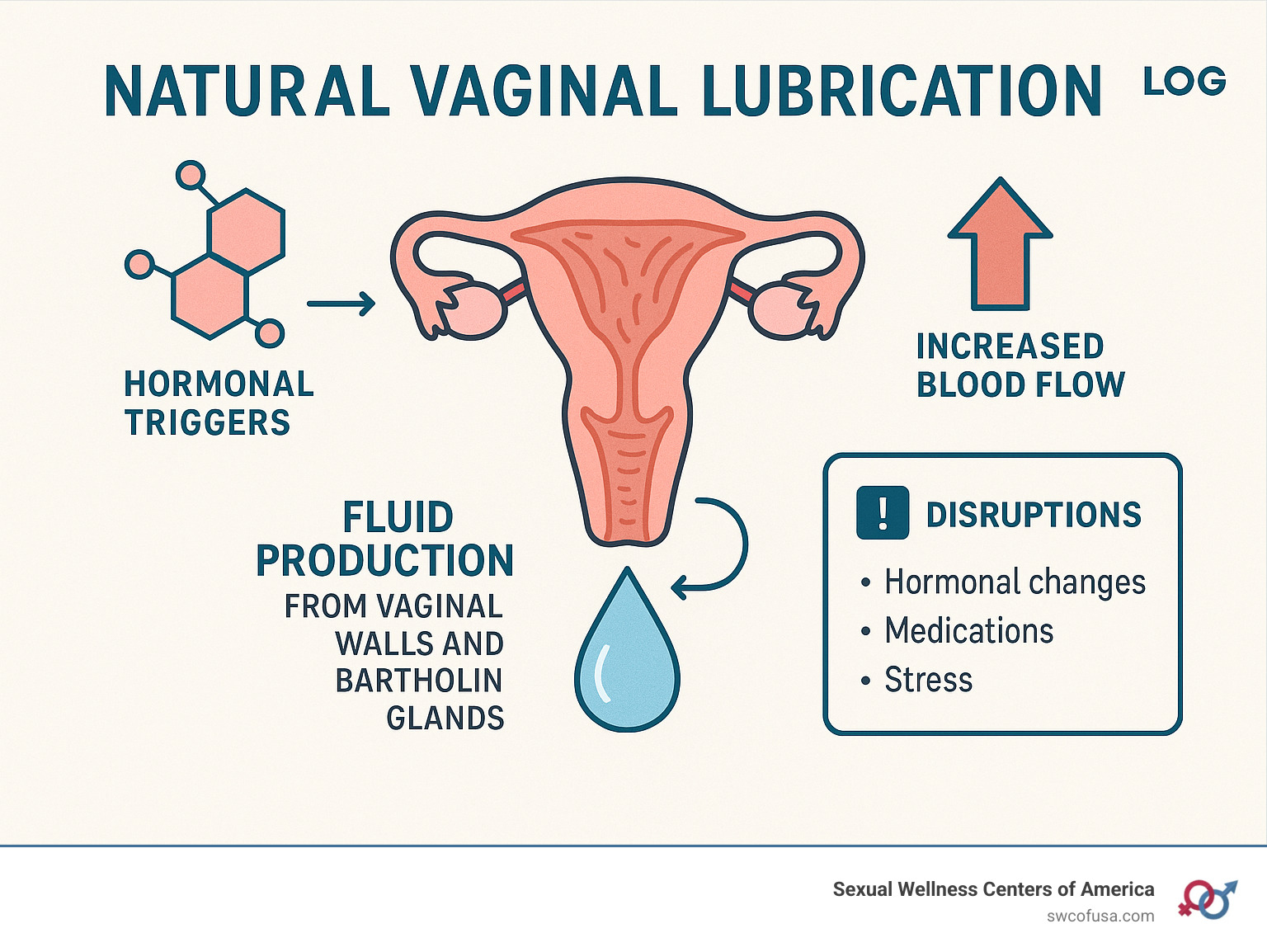
The star players in this system include your vaginal walls, which produce a thin, clear fluid through tiny blood vessels just beneath the surface. Your Bartholin glands – two small glands located near your vaginal opening – also contribute important lubrication, especially when you’re aroused. Meanwhile, your cervix produces mucus that changes throughout your monthly cycle.
This natural lubrication maintains your vagina’s optimal pH balance between 3.8 and 4.5, creating a slightly acidic environment that keeps harmful bacteria out while welcoming the good ones in. This infection protection system works 24/7 to keep you healthy.
How the Body Creates Moisture
When arousal begins, your body responds to estrogen signals by dramatically increasing blood flow to your pelvic area. The increased circulation causes your vaginal walls to release fluid through a process called transudate – essentially, your vaginal tissues begin to “sweat” moisture from the improved blood supply underneath.
This entire moisture-creation process typically takes several minutes to reach full effect. That’s why patience and adequate foreplay are so important for allowing your body’s natural lubrication system to do its job properly.
Benefits Beyond the Bedroom
Your natural lubrication system provides incredible UTI prevention benefits by maintaining healthy, resilient tissue that can better resist bacterial invasion. The consistent moisture also supports tissue elasticity, keeping your vaginal walls supple and healthy over time.
Perhaps most importantly, proper lubrication provides crucial microbiome support for the beneficial bacteria that call your vagina home. When moisture levels drop, your pH can shift away from that protective acidic range, potentially allowing harmful bacteria to flourish.
Common Reasons You May Feel Dry
Vaginal dryness can feel frustrating and isolating, but you’re definitely not alone. Understanding the root causes helps us tackle the problem more effectively and find solutions that actually work for your specific situation.
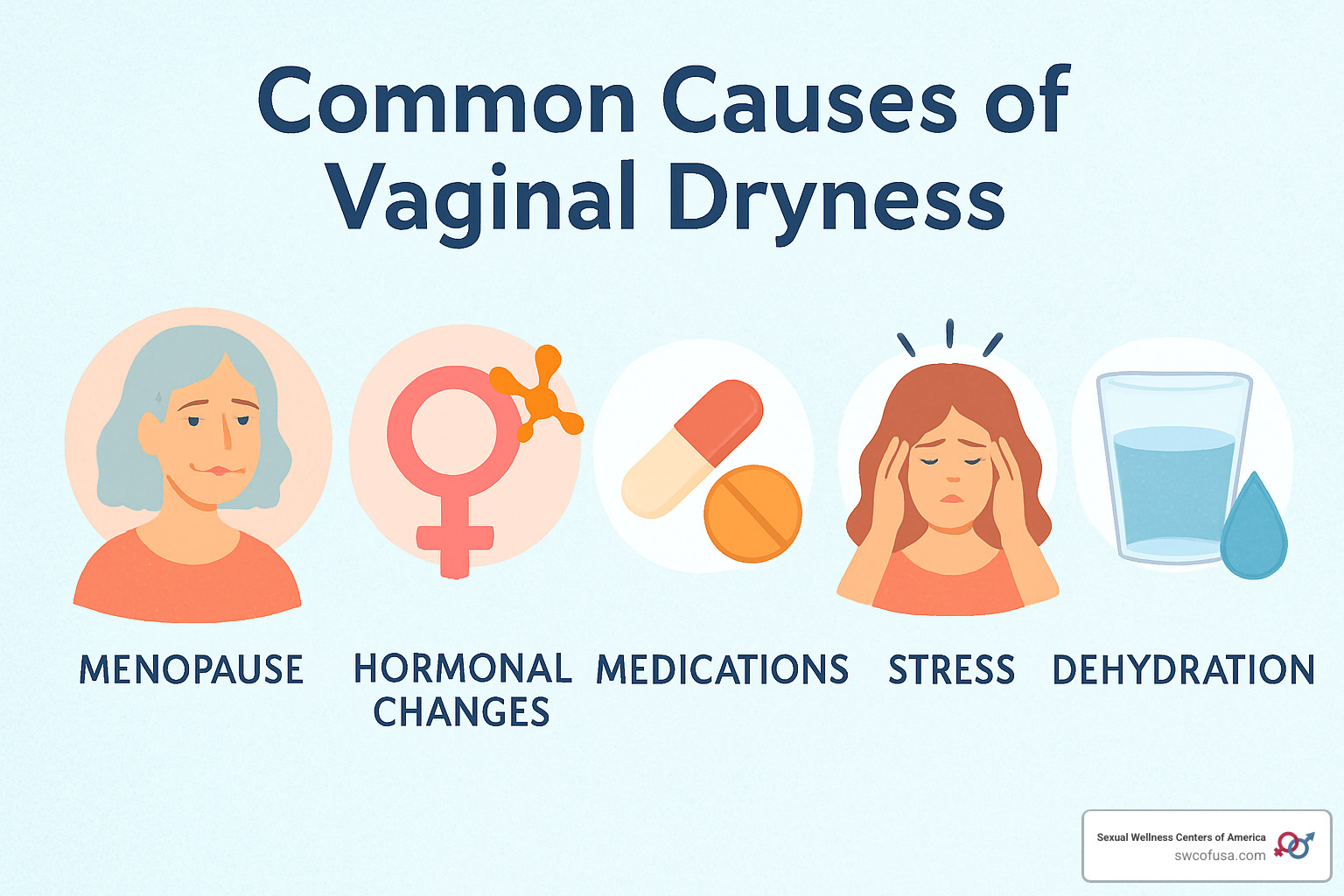
Think of your body’s lubrication system like a delicate ecosystem. When everything’s in balance, moisture flows naturally. But when something disrupts that balance – whether it’s hormones, lifestyle factors, or health conditions – dryness can quickly follow.
Hormonal Drivers of Dryness
Estrogen is the queen hormone when it comes to vaginal health. This powerful hormone keeps your vaginal walls thick, elastic, and naturally moist. When estrogen levels drop, your body’s ability to produce lubrication drops right along with it.
Menopause is the most common culprit here. As your ovaries slow down estrogen production, nearly one in three women experience significant dryness. Breastfeeding naturally suppresses estrogen to prevent pregnancy, which often leads to temporary dryness that resolves once nursing ends.
Birth control pills, especially low-estrogen formulations, can also reduce your natural moisture. Even your monthly cycle affects lubrication levels. Many women feel driest right after their period when estrogen levels are naturally at their lowest.
More info about hormonal imbalance can help you understand exactly how these changes affect your body and what you can do about them.
Lifestyle & Environmental Triggers
Scented soaps and bubble baths might smell wonderful, but they can irritate delicate vaginal tissues and throw off your natural pH balance. Douching is particularly problematic – it literally washes away the beneficial bacteria and natural moisture your body works hard to maintain.
Your wardrobe choices matter more than you might think. Tight jeans, synthetic underwear, and non-breathable fabrics can trap heat and moisture, creating an environment that disrupts your natural balance.
Medications can be sneaky moisture thieves. Antihistamines and decongestants don’t just dry out your nose – they affect mucous membranes throughout your body, including vaginal tissues.
Stress and anxiety play bigger roles than most people realize. When you’re constantly stressed, your body produces excess cortisol, which can interfere with estrogen production and reduce your natural arousal responses.
When Dryness Signals a Condition
Sjögren’s syndrome, an autoimmune disorder, attacks moisture-producing glands throughout your body. Cancer treatments, particularly chemotherapy and pelvic radiation, can damage the tissues responsible for lubrication.
Genitourinary syndrome of menopause is a comprehensive term that includes vaginal dryness along with burning, irritation, and increased UTI risk. This condition affects over half of postmenopausal women but often goes untreated.
More info about vaginal atrophy explains how these more serious conditions develop and what treatment options are available.
How to Improve Vaginal Lubrication Naturally
The wonderful news is that your body often responds beautifully to gentle, natural support. The most successful approach combines several strategies rather than putting all your hopes in one solution.
Hydrate & Nourish for Better Vaginal Lubrication
Your body is remarkably good at producing natural lubrication when it has what it needs. Water intake forms the absolute foundation – without adequate hydration, your body simply can’t create the fluids that keep your vaginal tissues comfortable. Aim for at least eight glasses of water daily.
Sea buckthorn has caught researchers’ attention lately – when 116 postmenopausal women took 3 grams daily for three months, their vaginal tissue health improved significantly.
Phytoestrogens found in soy products, flaxseeds, and chickpeas act like gentle, plant-based estrogen in your body. Many women notice improvements when they regularly include these foods in their meals.
Omega-3 fatty acids deserve special attention too. A study of 52 breast cancer survivors found that taking 3.5 grams of omega-3 daily for six months improved their vaginal dryness. Fatty fish like salmon, walnuts, and chia seeds are excellent sources.
Move, Relax, Connect
Regular exercise improves blood flow to your pelvic area, ensuring your vaginal tissues get the circulation they need to stay healthy and moist.
Kegel exercises deserve a special mention here. These simple contractions strengthen your pelvic floor muscles while boosting blood flow to the entire area. To do them correctly, tighten your pelvic muscles as if you’re stopping urine mid-stream, hold for several seconds, then release.
Stress acts like a thief, stealing your body’s ability to produce natural lubrication. Stress reduction techniques like meditation, deep breathing, or even a relaxing bath can make a real difference.
Extended foreplay isn’t just nice – it’s necessary for many women to achieve comfortable natural moisture. When you can communicate openly about needing more time for arousal, you give your body the opportunity to produce its own lubrication.
Supplements & Botanicals That Improve Vaginal Lubrication
Scientific research on vitamin-based relief shows that the right nutrients can provide meaningful improvements for many women.
Vitamin E has shown impressive results in studies. When 52 women used vitamin E suppositories for 12 weeks, their vaginal atrophy symptoms improved significantly.
Vitamin D deficiency might be contributing to your dryness more than you realize. In one study, 44 postmenopausal women used vitamin D suppositories daily for eight weeks and saw significant improvements.
Hyaluronic acid is fascinating – your body naturally produces this substance to help tissues hold onto moisture. Taking 5 mg supplements or using hyaluronic acid-based vaginal gels for eight weeks has shown improvements in both lubrication and comfort.
Safe DIY Helpers
Coconut oil has natural antimicrobial properties and works well as a chemical-free lubricant. Just remember – it can break down latex condoms.
Aloe vera gel (the pure kind without added fragrances or alcohol) can soothe irritated tissues while providing temporary moisture. A 2021 study found aloe vera gel worked as well as estrogen cream for treating postmenopausal vaginal dryness.
Smart Product Choices & Proper Use
When natural approaches aren’t sufficient, or you need immediate relief, commercial products can be incredibly helpful. The key is choosing the right type for your specific needs and using them correctly.
Lubricants vs. Moisturizers: What’s the Difference to Improve Vaginal Lubrication?
Lubricants are your go-to for immediate relief – they’re designed for situational use, typically applied right before sexual activity to reduce friction and improve comfort. They provide that instant wetness you need in the moment.
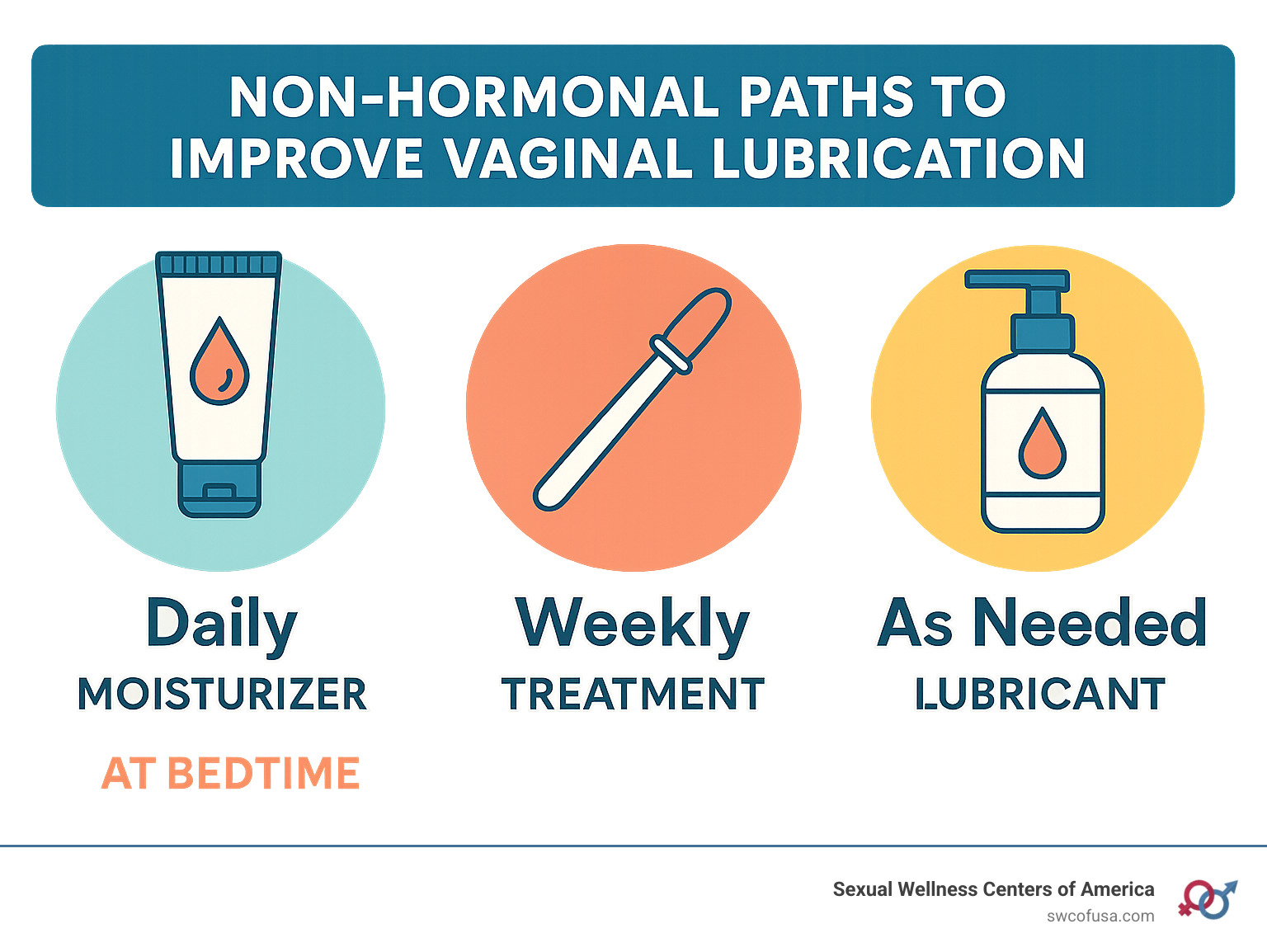
Vaginal moisturizers work more like skincare for your vagina. They’re absorbed into vaginal tissues and provide longer-lasting relief that continues working even when you’re not sexually active. You’ll typically use them 2-3 times per week as part of your regular self-care routine.
| Feature | Lubricants | Moisturizers |
|---|---|---|
| Purpose | Immediate friction reduction | Long-term tissue hydration |
| Duration | During sexual activity | 2-3 days |
| Application | Before intercourse | Regular maintenance |
| Best for | Situational dryness | Chronic dryness |
Picking the Right Formula
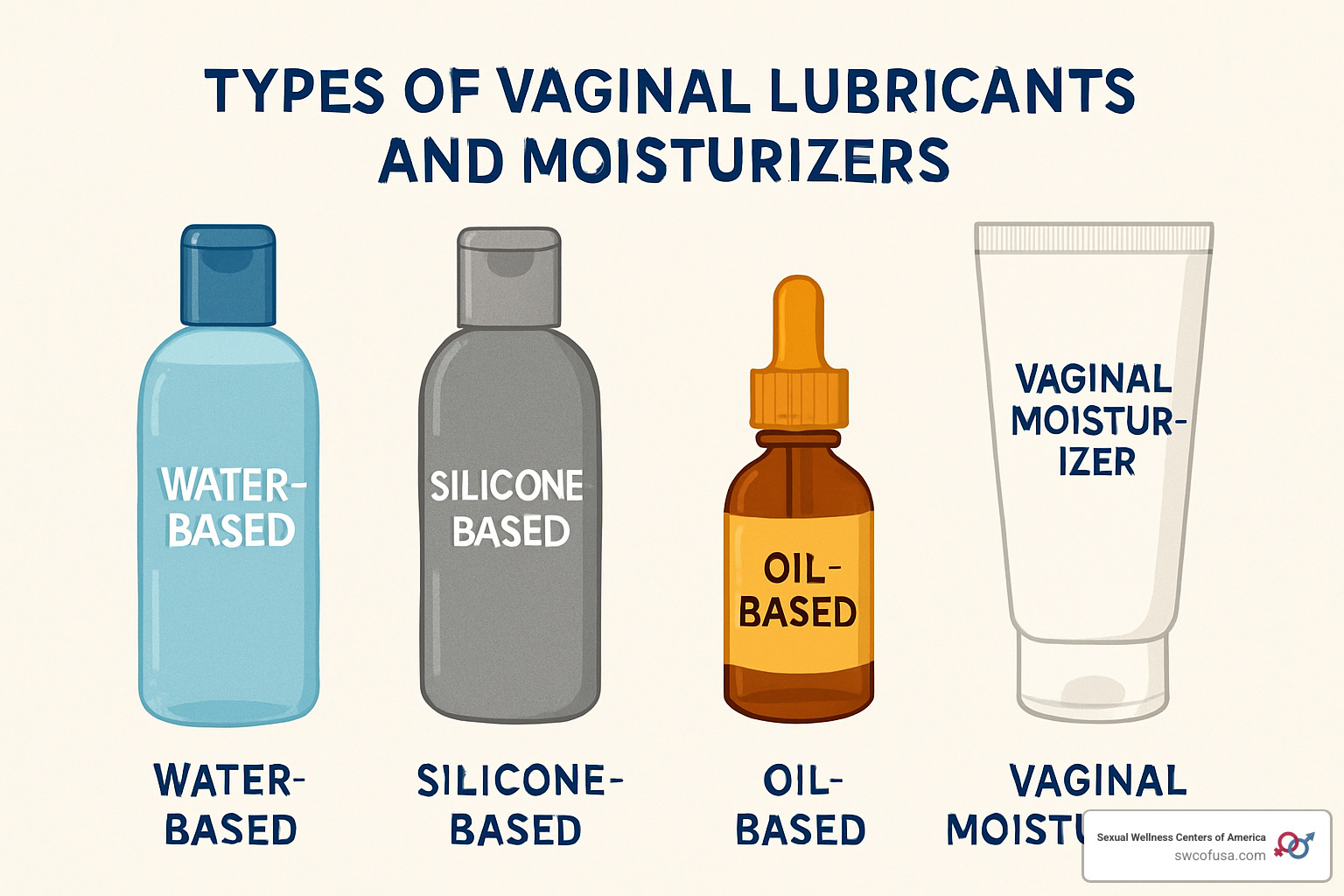
Water-based lubricants are the Swiss Army knife of intimate products. They’re compatible with all types of condoms and sex toys, easy to clean up, and recommended by The North American Menopause Society for menopausal dryness.
Silicone-based options last much longer than their water-based cousins and work beautifully for water play since they don’t wash away easily. They’re condom-compatible too.
Oil-based lubricants provide the longest-lasting lubrication and can pull double duty as massage oils. Natural options like coconut oil fall into this category. However, they’re not compatible with latex condoms.
When shopping, look for products that are pH-balanced to match your vagina’s natural acidity (between 3.8-4.5). Skip anything with fragrances or parabens.
Ingredients to Skip
Glycerin shows up in many lubricants but can feed harmful bacteria and potentially increase bacterial vaginosis risk in women who are prone to it.
Nonoxynol-9 is particularly problematic – this spermicidal ingredient can irritate vaginal tissues and may actually increase infection transmission risk.
Those warming lubricants with menthol or capsaicin might feel exciting at first, but they can cause irritation with repeated use. Similarly, flavored varieties often contain sugars that can promote yeast growth.
Medical Options for Persistent Dryness
Low-dose vaginal estrogen comes in several forms – creams, rings, tablets, and suppositories – that deliver hormone directly to vaginal tissues with minimal absorption into your bloodstream.
Ospemifene (Osphena) offers an oral option – it’s a selective estrogen receptor modulator that can improve vaginal tissue without systemic estrogen effects.
Prasterone (Intrarosa) takes a different approach – these DHEA suppositories convert to estrogen locally in your vaginal tissues.
For women who prefer non-hormonal options, hyaluronic acid suppositories can provide moisture that lasts for several days per application. More info about treatments explains how these various options work and which might be right for your situation.
When to Seek Expert Help & Advanced Therapies
Sometimes the gentle approaches we’ve discussed aren’t enough, and that’s perfectly okay. Many women hesitate to seek professional help for intimate concerns, but addressing vaginal dryness with expert guidance can transform your quality of life.
Red-Flag Symptoms
Burning or itching that occurs outside of sexual activity often signals an underlying infection or condition that requires specific treatment. This isn’t something to “wait out” – persistent discomfort rarely resolves on its own.
Small tears or fissures in vaginal tissue need professional evaluation to prevent complications and ensure proper healing. These can develop when tissues become severely dry and fragile.
Changes in vaginal odor, particularly when accompanied by unusual discharge, could indicate bacterial vaginosis or other infections that require targeted treatment.
Bleeding after intercourse or between periods should always be evaluated promptly. While dryness can sometimes cause minor spotting, unexpected bleeding can indicate more serious conditions.
If you’ve been consistently using quality lubricants and moisturizers for several weeks without adequate relief, it’s time to explore prescription options or investigate underlying causes.
Non-Hormonal Paths for Cancer Survivors to Improve Vaginal Lubrication
Women with a history of hormone-sensitive cancers face unique challenges when trying to improve vaginal lubrication, but excellent alternatives exist that don’t involve systemic hormones.
High-quality silicone-based lubricants provide exceptionally long-lasting moisture without any hormonal effects. These products stay effective much longer than water-based alternatives.
Regular use of hyaluronic acid suppositories can maintain tissue hydration for days at a time. This naturally occurring substance helps your tissues retain moisture without introducing any hormones.
Pelvic floor physical therapy addresses muscle tension that often develops when women experience pain or discomfort. Tight pelvic muscles can actually reduce blood flow and natural lubrication.
At Sexual Wellness Centers of America, we’ve developed specialized protocols for cancer survivors using advanced treatments like laser therapy and regenMAX technology. These innovative approaches can stimulate your body’s natural tissue regeneration and improve lubrication without introducing any hormones. More info about services explains how we create personalized treatment plans that work within the constraints of your medical history.
Frequently Asked Questions about Better Vaginal Lubrication
Does using lube reduce my body’s natural ability to lubricate?
This worry keeps many women from getting the relief they need, but I have great news for you: using lubricants won’t make your body “forget” how to produce its own moisture. Your vaginal tissues are smart – they don’t become dependent on external help or get “lazy” from regular lubricant use.
Think about it like using hand lotion when your skin feels dry. The moisturizer helps immediately, but it doesn’t stop your skin from making its own natural oils. Your vagina works the same way. Commercial lubricants simply provide temporary assistance while your body continues its normal processes.
Which ingredients are safest if I’m trying to conceive?
When you’re hoping to get pregnant, choosing the right lubricant becomes extra important. Many regular lubricants can actually slow down sperm or make it harder for them to reach their destination. The good news is that fertility-friendly options exist that won’t interfere with conception.
Look for products specifically labeled as “sperm-friendly,” “fertility-friendly,” or “trying to conceive.” These formulations are designed to match the natural environment sperm encounter in fertile cervical mucus. Water-based lubricants with minimal additives tend to be your safest bet.
Avoid ingredients that can harm sperm including nonoxynol-9, glycerin, and parabens when you’re trying to conceive.
How often should I apply a vaginal moisturizer?
Getting the timing right makes all the difference with vaginal moisturizers. Unlike lubricants that you use right before intimacy, moisturizers work best with consistent, regular application – typically 2-3 times per week.
Bedtime application works wonderfully because it gives the product hours to absorb into your tissues without interruption. Many women find this becomes as routine as brushing their teeth or applying face moisturizer.
If you’re dealing with severe dryness, you might benefit from daily use initially. Once your comfort improves, you can often reduce to maintenance dosing. Most women notice improvement within 2-3 weeks of consistent use.
Conclusion
Finding the right way to improve vaginal lubrication can feel overwhelming at first, but you now have a roadmap filled with proven strategies. The beautiful thing about addressing vaginal dryness is that you have so many options – from the simple act of drinking more water to cutting-edge medical treatments that can restore your natural moisture.
Your journey to better comfort might start with something as basic as switching to fragrance-free soap and drinking an extra glass of water each day. Maybe you’ll find that sea buckthorn supplements or regular Kegel exercises make a meaningful difference. Or perhaps you’ll find that a quality silicone-based lubricant or hyaluronic acid moisturizer gives you the relief you’ve been seeking.
There’s no “one-size-fits-all” solution. What works beautifully for your friend might not be the perfect fit for you – and that’s completely normal. Some women find success with natural approaches alone, while others benefit from combining lifestyle changes with medical treatments.
The most important thing to remember? Vaginal dryness is incredibly common and absolutely treatable. You’re not broken, and you don’t have to just “deal with it.” Over half of postmenopausal women experience this issue, and even younger women frequently face dryness due to birth control, stress, or other factors.
At Sexual Wellness Centers of America, we’ve witnessed countless women reclaim their comfort and confidence through personalized treatment plans. Our comprehensive approach starts with detailed hormone and vitamin panel testing to understand your unique needs, then combines this with innovative treatments like SHEshot®™ and regenMAX technology when appropriate.
Every woman deserves to feel comfortable in her own body. Whether you’re navigating menopause, dealing with medication side effects, or simply want to optimize your intimate wellness, effective solutions exist.
Don’t let discomfort hold you back from enjoying intimacy, daily activities, or simply feeling confident in your body. Start with the natural strategies we’ve discussed, explore quality products that match your needs, and remember that professional help is available when you need it.
More info about vaginal rejuvenation services can help you understand all the options available to restore your natural comfort.
You deserve to slip back into comfort and confidence. With the right approach and perhaps a little patience as you find what works best for you, that comfort is absolutely within reach.