
Why Medically Managed Weight Loss is Essential for Safe, Lasting Results
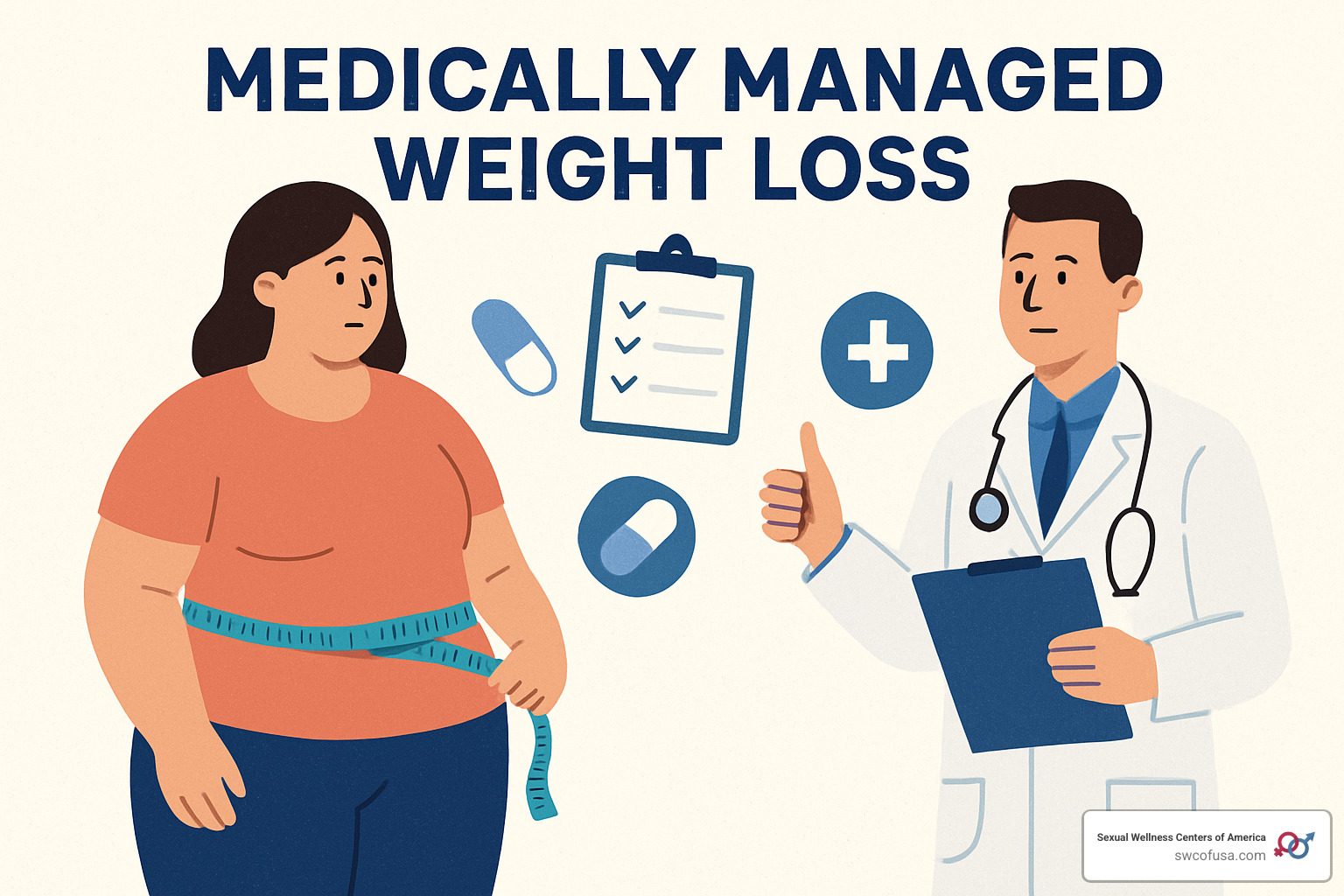
Medically managed weight loss represents a comprehensive, physician-supervised approach to weight reduction that treats obesity as a chronic disease requiring ongoing medical care. Unlike DIY diets or commercial programs, this evidence-based method combines:
• Medical supervision by board-certified obesity medicine specialists
• Personalized treatment plans based on your health history and metabolism
• FDA-approved medications when appropriate (GLP-1 agonists, appetite suppressants)
• Behavioral therapy to address emotional eating patterns
• Ongoing monitoring of vital signs, lab work, and progress metrics
• Long-term support for sustainable weight maintenance
Research shows that adults taking prescription medications as part of a lifestyle program lose 3% to 12% more of their starting body weight after 1 year compared to lifestyle changes alone. Some people achieve even greater results – losing 10% or more of their starting weight when medications are combined with comprehensive medical support.
The key difference lies in treating obesity as a chronic, progressive disease rather than a willpower issue. This whole-person approach addresses not just weight, but also tracks energy levels, pain, cholesterol, blood pressure, blood sugar, and liver enzymes for complete health optimization.
As Jeff Nuziard, CEO of Sexual Wellness Centers of America, I’ve witnessed how medically managed weight loss programs transform lives by addressing the root causes of weight gain through personalized, science-backed interventions. My experience in healthcare innovation has shown me that sustainable weight loss requires the same comprehensive medical approach we use for other chronic conditions.

Medically Managed Weight Loss 101
If you’ve tried diet after diet without lasting success, you’re not alone. The truth is, medically managed weight loss takes a completely different approach than what you’ve probably experienced before. Instead of treating weight loss as a matter of willpower, medical programs recognize obesity as a chronic disease that requires ongoing professional care.
Think of it like managing diabetes or high blood pressure. You wouldn’t try to handle those conditions on your own, and weight management often needs the same level of medical attention. This evidence-based approach acknowledges that sustainable weight loss involves complex interactions between your hormones, metabolism, genetics, and psychology – factors that require professional expertise to address effectively.
A multidisciplinary team becomes your support system throughout this journey. Board-certified physicians work alongside registered dietitians, health psychologists, and obesity medicine specialists to create a comprehensive care plan. This collaborative approach means every aspect of your health gets attention, from underlying medical conditions that might be making weight loss harder to behavioral patterns that have sabotaged your efforts in the past.
The medical framework uses specific BMI thresholds established by the FDA to determine eligibility. Adults with a BMI of 30 or higher qualify for medically supervised programs. If your BMI is between 27 and 30, you may still be eligible if you have obesity-related health conditions like type 2 diabetes, high blood pressure, or sleep apnea.
What makes medical programs truly different is the built-in accountability and continuous monitoring. Rather than leaving you to steer weight loss alone, healthcare providers track your progress through regular appointments, lab work, and health assessments. This ongoing support dramatically improves your chances of long-term success compared to going it alone.
Your exercise plan gets designed based on solid science too. The scientific research on physical activity guidelines help providers create activity recommendations that match your current fitness level and work around any medical limitations you might have.
What is medically managed weight loss?
Medically managed weight loss is essentially having a medical team in your corner throughout your weight loss journey. Instead of following a one-size-fits-all program, you get a physician-supervised approach that treats your individual health needs and circumstances.
Your journey starts with a thorough medical evaluation that goes way beyond just stepping on a scale. Healthcare providers review your complete health history, current medications, lifestyle factors, and any underlying conditions that might be contributing to weight gain. They’re looking at the big picture – your sleep patterns, stress levels, hormonal balance, and even psychological factors that influence your eating habits.
Obesity medicine specialists understand something that many people don’t realize: weight management involves incredibly complex interactions between your genetics, metabolism, hormones, medications, and environment. This medical understanding moves far beyond the oversimplified “eat less, move more” advice to address what’s really driving weight gain in your specific situation.
Your personalized treatment plan might include prescription medications, structured meal replacement programs, behavioral therapy, exercise prescriptions, and ongoing monitoring of important health markers. This comprehensive approach ensures you lose weight safely while actually improving your overall health – things like blood pressure, blood sugar, and cholesterol levels often get better too.
The goal isn’t just to help you lose weight quickly. It’s to create lasting changes that improve your health and quality of life for years to come.
Medically managed weight loss vs DIY & commercial programs
The differences between medically managed weight loss and doing it yourself or joining commercial programs are significant – and they can make or break your long-term success.
Safety monitoring represents the biggest advantage of medical programs. Your healthcare team regularly checks your health through lab work, vital sign monitoring, and health assessments. This ensures you’re losing weight safely without compromising your overall health. Self-directed or commercial programs simply can’t provide this level of medical oversight, which means potentially serious health changes or medication interactions might go unnoticed.
Personalized plans in medical settings go far deeper than generic meal plans or workout routines. Your healthcare provider considers your specific medical conditions, current medications, food preferences, work schedule, family situation, and metabolic factors when designing your program. This level of individualization significantly improves both your safety and your chances of success.
Long-term support sets medical programs apart from commercial options that typically end after a set number of weeks or months. Since obesity is a chronic condition, medical weight management provides ongoing care that includes maintenance phases, medication adjustments, and continued behavioral support to prevent weight regain.
Medical programs also address underlying health conditions that might be making weight loss more challenging. Issues like insulin resistance, thyroid disorders, sleep apnea, or depression require medical treatment alongside weight management efforts – something commercial programs simply can’t provide.
The results speak for themselves. Research shows that about 85% of people who participate in medical weight loss programs with prescription medications lose significant weight, compared to much lower success rates for commercial programs or self-directed efforts.
Are You a Candidate? Program Types, Insurance & Costs
Wondering if you’re a good fit for medically managed weight loss? The good news is that many people qualify for these life-changing programs, and the criteria are pretty straightforward.
The main requirement comes down to your BMI and overall health picture. If your BMI is 30 or higher, you automatically qualify for physician-supervised weight loss programs. But even if your BMI is between 27 and 30, you might still be a candidate if you’re dealing with weight-related health issues like type 2 diabetes, high blood pressure, high cholesterol, or sleep apnea.
Here’s something that might surprise you – these programs aren’t just for adults. Teenagers aged 12 and older can also be candidates, especially for certain FDA-approved medications that have proven safe and effective for adolescents. Getting help early can make a huge difference in preventing obesity from carrying into adulthood.
The beauty of modern medically managed weight loss programs is their flexibility. Whether you prefer face-to-face visits, virtual appointments from your couch, or a mix of both, there’s likely an option that fits your lifestyle. Some programs focus on intensive meal replacement plans that can help you lose 50+ pounds over 18-24 weeks, while others take a more gradual approach with sustainable lifestyle changes.
You can use this BMI calculator to see where you stand, and our new patient process includes checking your insurance coverage so you know exactly what to expect financially.
Candidate checklist & screening tests
Getting started with medically managed weight loss involves a thorough but straightforward screening process. Think of it as your healthcare team getting to know you inside and out so they can create the perfect plan for your success.
Your medical history review covers all the important bases – current health conditions, medications you’re taking, previous weight loss attempts, family health history, and any past struggles with eating disorders. This isn’t about judgment; it’s about understanding what might be working against you. Some common medications for depression, diabetes, or seizures can actually promote weight gain, so your doctor needs the full picture.
Laboratory testing gives your healthcare team crucial insights into what’s happening inside your body. They’ll typically check your liver and kidney function, cholesterol and triglyceride levels, blood sugar control, thyroid function, and vitamin levels. These tests help identify any underlying issues that might be making weight loss harder than it should be.
Modern programs go way beyond just stepping on a scale. Body composition analysis measures your muscle mass, body fat percentage, and metabolic rate. Some advanced programs even use 3D body scanning technology to track changes throughout your journey – pretty cool, right? This gives you a much clearer picture of your progress than weight alone.
The psychological screening part might sound intimidating, but it’s actually really helpful. Your healthcare team wants to understand your eating patterns, stress levels, sleep quality, and overall mental health. They’re looking for things like emotional eating triggers or underlying mood issues that might need attention alongside your weight management.
Don’t worry – this comprehensive assessment ensures your treatment plan addresses everything that’s been making weight management challenging for you.
Program formats: clinic, telemedicine, hybrid
Medically managed weight loss programs today offer incredible flexibility to fit your life, preferences, and schedule. Whether you’re a busy parent, work irregular hours, or live far from specialty clinics, there’s likely a format that works perfectly for you.
Clinic-based programs provide the most hands-on experience. You’ll have regular in-person visits for medical check-ups, detailed body composition analysis, one-on-one nutritional counseling, and behavioral support. Many clinics offer group sessions with registered dietitians, cooking demonstrations, and even exercise classes. There’s something powerful about the face-to-face connection and immediate feedback when questions or concerns come up.
Telemedicine programs have been a game-changer, especially for people in rural areas or those with busy schedules. You can have comprehensive medical consultations, prescription management, and ongoing support through video calls and smartphone apps. Many programs use remote monitoring devices that automatically send your vital signs, nutrition data, and activity levels to your healthcare team in real-time.
Hybrid approaches give you the best of both worlds – convenient virtual check-ins for routine visits and medication management, combined with periodic in-person appointments for thorough assessments, lab work, and detailed body composition analysis. This format offers flexibility while maintaining the thoroughness of medical supervision.
Meal replacement programs can work within any of these formats. These structured approaches use nutritionally complete shakes, bars, and prepared foods to control calories while ensuring you get all the nutrients you need. You’ll typically use five meal replacement products daily plus vitamin supplements, gradually transitioning to self-prepared foods under professional guidance.
Group support sessions, whether in-person or virtual, add an extra layer of accountability and encouragement. These sessions focus on practical skills like mindful eating, stress management, identifying your personal triggers, and planning for long-term success.
Paying for medically managed weight loss
Let’s talk money – because understanding the costs and coverage options for medically managed weight loss helps you plan and make the best decisions for your health and budget.
The good news is that insurance coverage for obesity treatment has improved dramatically as medical organizations recognize obesity as a chronic disease requiring medical care. Many insurance plans now cover office visits with obesity medicine specialists, necessary lab testing, and some prescription medications. However, coverage varies quite a bit by state and insurance provider, so it’s worth checking your specific benefits.
Office visits and medical consultations are typically covered under your standard medical benefits, just like visits for diabetes or high blood pressure. Diagnostic testing, including lab work and body composition analysis, usually falls under covered medical services when they’re medically necessary for your care.
Prescription medications present a more complex picture. Some insurance plans readily cover FDA-approved weight loss medications like semaglutide or phentermine, while others require prior authorization or want you to try certain medications first. Generic medications often have better coverage than brand-name drugs, and many pharmaceutical companies offer assistance programs for qualifying patients.
Meal replacement products and supplements typically come out of your pocket, as most insurance plans consider these food rather than medical necessities. However, some programs offer package pricing or payment plans to make these components more manageable financially.
Here’s a helpful tip: FSA and HSA accounts can often be used for medically supervised weight loss programs, including consultations, prescription medications, and sometimes even meal replacement products when prescribed by your healthcare provider. This gives you tax advantages for program costs not covered by insurance.
When you consider the long-term financial benefits – like potentially reducing medications for diabetes, blood pressure, and other conditions as your health improves – many patients find that medical weight management actually saves them money over time.
Core Components of a Clinically Supervised Plan
When you step into a medically managed weight loss program, you’re getting something far more comprehensive than a simple diet plan. Think of it as having an entire medical team focused on every aspect of your weight loss journey – from what you eat to how you move, think, and feel.
The beauty of medical supervision lies in how all these components work together. Your personalized nutrition plan isn’t just about counting calories – it’s designed around your specific health conditions, metabolism, and lifestyle. Your exercise prescription considers your joint health and fitness level. Meanwhile, behavioral therapy helps you understand why you eat when you’re not hungry and develops strategies to break those patterns.
What makes this approach so effective is the ongoing monitoring and adjustment. Your healthcare team tracks not just your weight, but your blood pressure, blood sugar, energy levels, and overall well-being. When something isn’t working optimally, they can adjust your plan immediately rather than leaving you to figure it out alone.
Prescription medications add another powerful tool when appropriate, working alongside your lifestyle changes to help control appetite or improve metabolism. These aren’t magic pills – they’re medical tools that make the lifestyle changes more achievable and sustainable.
The sleep and stress management components often surprise people, but they’re crucial pieces of the puzzle. Poor sleep and chronic stress can sabotage even the best diet and exercise efforts by affecting the hormones that control hunger and metabolism.
At Sexual Wellness Centers of America, our health and wellness approach recognizes how interconnected your overall health really is. When you feel better physically, it often improves other aspects of your life, including your confidence and relationships.
Personalized nutrition & meal replacements
Your nutrition plan in a medically managed weight loss program goes way beyond the typical “eat less, move more” advice. A registered dietitian will sit down with you to understand your medical history, current medications, food preferences, cooking skills, and lifestyle constraints before designing your eating plan.
Calorie control is important, but it’s calculated specifically for you based on your metabolic rate, body composition, and activity level. This precision approach ensures you’re getting enough nutrition to stay healthy while creating the right calorie deficit for steady weight loss.
Many medical programs build around Mediterranean-style eating patterns because of their proven track record for both weight loss and heart health. This approach emphasizes whole foods, healthy fats like olive oil and nuts, lean proteins, and plenty of vegetables – foods that help you feel satisfied while losing weight.
For some patients, especially those with diabetes or insulin resistance, a ketogenic approach might be recommended. Under medical supervision, this can lead to rapid initial weight loss (often 3-5 pounds per week) while improving blood sugar control. Your healthcare team will monitor you carefully to ensure your body adapts safely.
Meal replacement programs offer a structured approach that takes the guesswork out of portions and calories. These nutritionally complete shakes, bars, and prepared foods ensure you’re getting adequate protein, vitamins, and minerals while controlling calories precisely.
Vitamin and mineral supplementation becomes especially important during weight loss. When you’re eating less food, you might not get all the nutrients your body needs. Your healthcare team will monitor your nutritional status and recommend appropriate supplements to prevent deficiencies that could slow your metabolism or affect your energy.
The transition from meal replacements back to regular foods requires careful guidance. This phase often determines long-term success, which is why having professional support during this time makes such a difference.
Prescribed physical activity & movement
Exercise in a medically managed weight loss program isn’t about jumping into intense workouts that leave you exhausted and potentially injured. Instead, your healthcare provider will prescribe physical activity like any other medical treatment – carefully custom to your current health status and capabilities.
Your cardiovascular exercise plan starts with what you can realistically do right now. If you haven’t exercised in years, that might mean walking for 10 minutes a day. If you have heart disease or arthritis, your plan will be modified to work within those limitations while still promoting weight loss and improving your fitness.
Strength training becomes particularly important during weight loss because it helps preserve your muscle mass. When you lose weight quickly, your body tends to lose both fat and muscle. By including resistance exercises at least twice a week, you can maintain your muscle mass, which keeps your metabolism higher and gives you a more toned appearance as you lose weight.
Flexibility and balance exercises might not burn as many calories as cardio, but they’re crucial for preventing injuries and helping you stay active long-term. This is especially important if you’re older or have joint problems that could limit your ability to exercise.
Activity trackers provide objective data about your daily movement, steps, and exercise intensity. This information helps your healthcare team see how active you really are (versus how active you think you are) and adjust your plan accordingly.
Your exercise plan will progress gradually as your fitness improves. Starting with achievable goals builds confidence and creates sustainable habits that will support your weight maintenance long after you’ve reached your goal weight.
Behavioral and mental health support
The mental and emotional aspects of weight loss often prove to be the most challenging – and most important – components of a medically managed weight loss program. This isn’t about willpower; it’s about understanding and changing the patterns that led to weight gain in the first place.
Cognitive-behavioral therapy (CBT) techniques help you identify the thoughts and situations that trigger overeating. Maybe you eat when you’re stressed, bored, or celebrating. Maybe you have an all-or-nothing mindset that turns a small slip into a complete diet derailment. CBT helps you recognize these patterns and develop healthier responses.
Mindful eating instruction teaches you to slow down and really pay attention to your food. Many people eat while distracted – watching TV, working, or scrolling their phones – and miss the signals that tell them they’re satisfied. Learning to eat mindfully helps you enjoy your food more while eating less.
Emotional eating requires special attention because food often serves as comfort, reward, or stress relief. Your behavioral therapist will help you identify what emotions trigger your eating and develop alternative ways to cope with those feelings.
Support groups provide connection with others who understand exactly what you’re going through. Whether in-person or virtual, these groups offer accountability, encouragement, and practical tips from people who’ve faced similar challenges.
Stress management becomes essential because chronic stress actually makes your body store more fat, especially around your midsection. You’ll learn relaxation techniques, time management strategies, and other tools to help manage stress without turning to food.
Sleep hygiene education addresses the crucial connection between sleep and weight. Poor sleep affects the hormones that control hunger and satiety, making weight loss much harder. Improving your sleep quality can significantly boost your weight loss success.
Medication & metabolic boosters
Prescription medications have revolutionized medically managed weight loss, providing powerful tools that make lifestyle changes more achievable and sustainable. These aren’t quick fixes – they work best when combined with proper nutrition and exercise, but they can make the journey significantly easier.
GLP-1 receptor agonists like semaglutide (Wegovy) and liraglutide (Saxenda) work by mimicking hormones your body naturally produces to regulate blood sugar and appetite. These medications slow down how quickly food leaves your stomach, helping you feel full longer and reducing cravings. In clinical trials, patients lost an average of 15-17% of their starting weight.
Dual agonists like tirzepatide (Zepbound) represent the newest advancement in weight loss medications. By targeting two different hormone pathways, these medications can be even more effective, with studies showing average weight loss of 15-25% of starting weight. Some patients lose even more.
Appetite suppressants like phentermine work by affecting brain chemicals that control hunger. While typically approved for shorter-term use, they can provide valuable support during the initial phases when hunger and cravings are most challenging.
Fat absorption blockers like orlistat take a different approach by preventing your digestive system from absorbing about one-third of the fat you eat. This requires following a lower-fat diet and taking vitamin supplements, but it can be effective for people who prefer medications that don’t affect their brain chemistry.
Injectable medications offer convenience with weekly or monthly dosing, which many patients find easier to remember and stick with than daily pills. These formulations often provide more consistent effects and better tolerability.
Our IV infusion services can complement your weight loss efforts by ensuring optimal hydration and nutrient levels, supporting your energy and metabolic function throughout your journey.
Ongoing monitoring & metrics
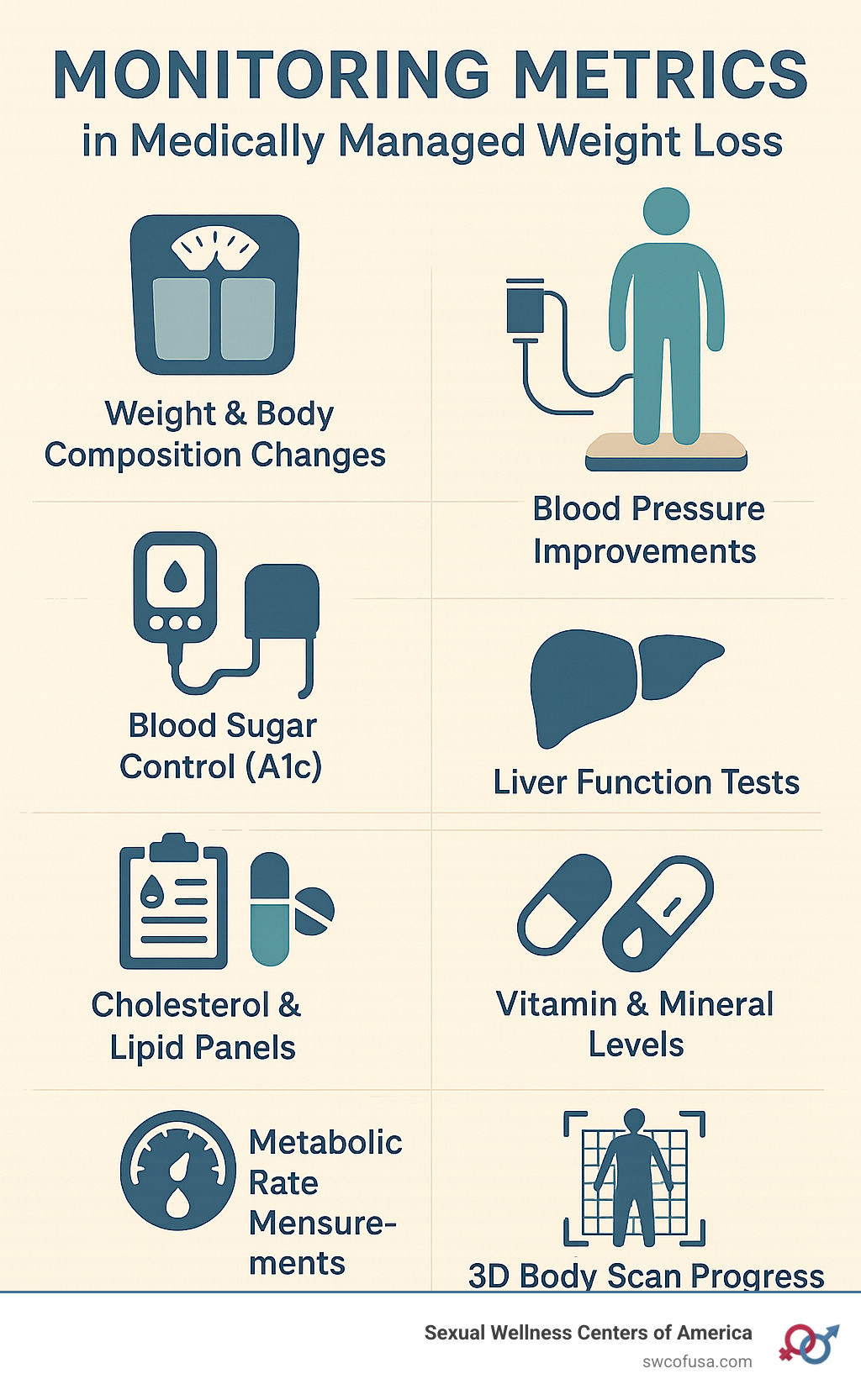
The continuous monitoring in medically managed weight loss programs is what truly sets them apart from commercial diet programs. Your healthcare team tracks multiple aspects of your health to ensure you’re losing weight safely while optimizing your overall well-being.
Weight and body composition tracking goes far beyond stepping on a scale. Advanced body composition analysis measures changes in muscle mass, body fat percentage, and visceral fat levels. This detailed assessment shows you’re making progress even when the scale might not budge – perhaps because you’re gaining muscle while losing fat.
Blood pressure monitoring becomes especially important because weight loss often leads to significant improvements that may require adjusting your medications. Regular monitoring prevents your blood pressure from dropping too low while capturing improvements that can reduce your need for blood pressure medications.
Blood sugar control through A1c testing tracks your average blood sugar levels over time. Weight loss frequently leads to dramatic improvements in blood sugar control, sometimes allowing people with diabetes to reduce or eliminate their diabetes medications under medical supervision.
Liver function testing ensures that rapid weight loss or medications aren’t negatively affecting your liver. Some weight loss medications require regular liver monitoring, and occasionally rapid weight loss can cause temporary changes in liver enzymes.
3D body scanning technology provides detailed visualization of how your body shape is changing, often revealing progress that isn’t apparent through weight or simple measurements. This advanced monitoring helps maintain motivation by showing improvements that might not show up on the scale.
Metabolic rate measurements help your healthcare team adjust your calorie recommendations based on your actual metabolic needs rather than estimates. This precision helps optimize your weight loss while ensuring you’re getting adequate nutrition.
Regular laboratory monitoring also tracks your cholesterol levels, kidney function, and nutritional status to ensure that your weight loss is improving rather than compromising your overall health.
Medication Deep Dive: How Drugs Drive Results
When it comes to medically managed weight loss, prescription medications have completely changed the game. These aren’t your typical diet pills from the pharmacy – we’re talking about powerful, FDA-approved treatments that work with your body’s natural systems to help you lose weight and keep it off.
Think of obesity medications like treatments for any other chronic condition. Just as we use insulin for diabetes or blood pressure medications for hypertension, weight loss drugs address the biological factors that make maintaining a healthy weight so challenging for many people.
The FDA has approved seven medications for long-term weight management, each working through different pathways in your body. The newest stars of the show are GLP-1 receptor agonists like semaglutide (Wegovy) and the dual-action tirzepatide (Zepbound), which have shown remarkable results in clinical trials. Other options include liraglutide (Saxenda), naltrexone-bupropion (Contrave), phentermine-topiramate (Qsymia), and orlistat (Xenical).
What makes these medications so effective is how they target the biological drivers of obesity rather than just relying on willpower. Your brain, hormones, and digestive system all play roles in weight regulation, and these drugs help restore the balance that obesity disrupts.
The results speak for themselves. In major clinical studies, patients lost anywhere from 5% to 25% of their starting body weight – that’s 20 to 50 pounds for someone weighing 200 pounds. Some people achieve even more dramatic results when medications are combined with comprehensive lifestyle support.
For detailed information about FDA-approved medications and their mechanisms, you can visit the FDA’s official website for the most current prescribing information and safety updates.
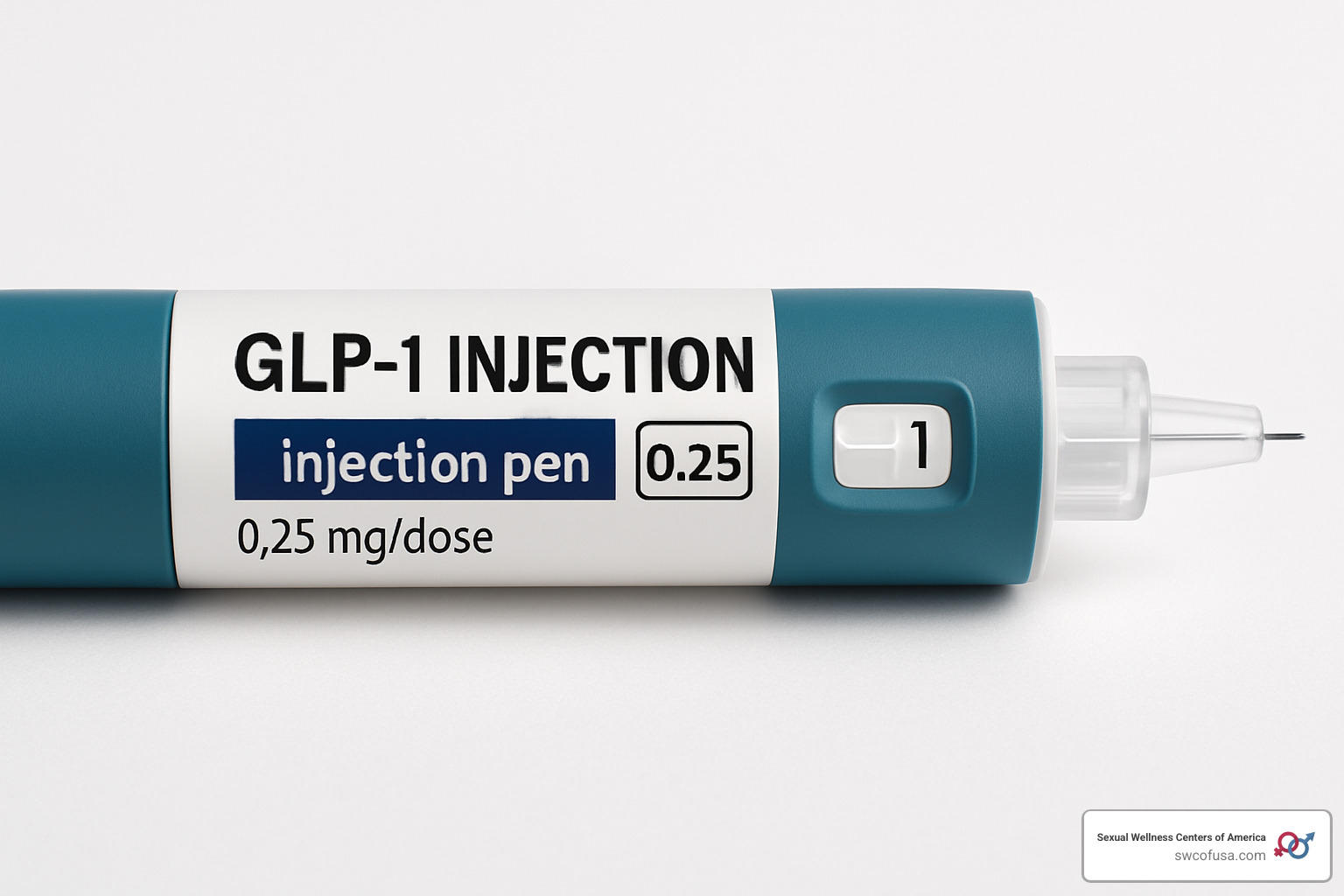
Medically managed weight loss medications overview
Understanding how medically managed weight loss medications work helps explain why medical supervision is so important. These aren’t one-size-fits-all solutions – each medication has its own strengths and ideal patient profile.
Short-term medications like phentermine work as appetite suppressants and are approved for up to 12 weeks of use. They’re excellent for jump-starting weight loss and breaking unhealthy eating patterns, but they’re just one piece of a larger puzzle that includes long-term lifestyle changes.
Long-term medications represent the future of obesity treatment. These drugs recognize that obesity is a chronic condition requiring ongoing management, just like diabetes or high blood pressure. GLP-1 medications fall into this category, offering safe and effective treatment for months or even years under proper medical supervision.
Sometimes doctors prescribe medications “off-label” for weight management. This means using drugs that were originally approved for other conditions but have shown benefits for weight loss. Examples include certain antidepressants or seizure medications that can help with weight management as a welcome side effect.
The art of prescribing these medications lies in matching the right drug to the right patient. Your doctor considers your BMI, health conditions, previous weight loss attempts, current medications, and personal preferences when selecting the best option. They also factor in potential side effects, any health conditions that might rule out certain drugs, and what your insurance will cover.
Some patients benefit from combination therapy – using two or more medications together when a single drug doesn’t provide enough support. This approach requires careful monitoring but can be incredibly effective for people who need extra help reaching their goals.
The key to success is understanding that medications work best when combined with lifestyle changes, not as magic bullets that work alone. They’re powerful tools that make healthy eating and regular exercise more achievable and sustainable.
Benefits & expected outcomes
The benefits of medically managed weight loss medications extend far beyond the number on your scale. While weight loss is the primary goal, patients often experience life-changing improvements in their overall health and daily functioning.
Weight loss results vary depending on which medication you use, but the outcomes consistently outperform diet and exercise alone. Most patients lose between 10% and 20% of their starting weight, with some achieving even more dramatic results. For someone weighing 250 pounds, that could mean losing 25 to 50 pounds or more.
Your heart and metabolism often improve before you’ve even lost significant weight. Many patients see better blood sugar control within weeks, along with lower blood pressure and improved cholesterol levels. This can lead to reducing or even eliminating medications for diabetes, high blood pressure, and heart disease.
Quality of life improvements might be the most rewarding changes you experience. Patients consistently report having more energy, sleeping better, experiencing less joint pain, and feeling more confident in social situations. Simple activities like climbing stairs or playing with grandchildren become easier and more enjoyable.
Sleep apnea often improves dramatically with weight loss, sometimes to the point where CPAP machines are no longer needed. Better sleep quality creates a positive cycle – you have more energy during the day, feel more motivated to exercise, and make better food choices.
Fertility and hormone balance can improve significantly in both men and women. Weight loss often leads to more regular menstrual cycles, improved testosterone levels, and better overall reproductive health. Many couples find it easier to conceive after successful weight management.
The mental health benefits shouldn’t be underestimated. Successfully losing weight and keeping it off can reduce symptoms of depression and anxiety while boosting self-esteem and body confidence. The sense of accomplishment from reaching weight loss goals often motivates positive changes in other areas of life.
Looking at the long-term picture, even modest weight loss significantly reduces your risk of developing type 2 diabetes, heart disease, certain cancers, and other obesity-related conditions. You’re not just changing how you look – you’re investing in decades of better health.
Risks, contraindications & side effects
While medically managed weight loss medications are generally safe and well-tolerated, understanding potential side effects and risks ensures you’re prepared for your treatment journey. Most side effects are manageable and often improve as your body adjusts to the medication.
Gastrointestinal issues are the most common side effects, especially with GLP-1 medications like Wegovy and Zepbound. Nausea, occasional vomiting, diarrhea, and constipation affect many patients initially but usually improve within the first few weeks. Starting with lower doses and gradually increasing helps minimize these effects significantly.
Gallstone formation can occur with rapid weight loss, whether you’re using medications or not. However, some medications may slightly increase this risk. Watch for symptoms like severe abdominal pain, especially after eating fatty foods, and report any concerns to your healthcare provider promptly.
Mood and mental health changes require careful monitoring, particularly if you have a history of depression or anxiety. Some medications can affect sleep patterns, mood stability, or anxiety levels. Your doctor will monitor these effects closely and adjust your treatment if needed.
Pregnancy is absolutely off-limits while taking weight loss medications. The effects on developing babies are unknown or potentially harmful, so women who could become pregnant must use reliable birth control. If you’re planning to get pregnant or find you’re pregnant, stop the medication immediately and contact your doctor.
Heart-related considerations include monitoring your heart rate and blood pressure, especially with stimulant-type medications. If you have certain heart conditions, some medications might not be safe options for you. Your doctor will evaluate your cardiovascular health before starting any treatment.
Drug interactions need careful review since weight loss medications can affect how your body processes other drugs. This is especially important if you take medications for diabetes, blood pressure, or mental health conditions. Your doctor will review all your medications to prevent any dangerous interactions.
Regular monitoring is essential during treatment. You’ll have frequent check-ins during your first few months, with ongoing appointments based on your specific medication and how you’re responding. This might include blood pressure checks, lab work, and regular assessments for side effects.
The bottom line is that medical supervision makes all the difference. Your healthcare team can quickly identify and address any issues while fine-tuning your treatment for maximum benefits and minimal risks. That’s why these medications are only available through prescription and medical oversight.
Getting Started, FAQs & Next Steps
Beginning a medically managed weight loss program requires careful preparation and clear understanding of what to expect throughout the process. The initial steps involve comprehensive assessment, goal setting, and development of a personalized treatment plan that addresses individual needs and circumstances.
The initial assessment forms the foundation of successful treatment, involving detailed medical history, physical examination, laboratory testing, and lifestyle evaluation. This comprehensive approach ensures that all factors contributing to weight gain are identified and addressed in the treatment plan.
Laboratory work typically includes comprehensive metabolic panels, lipid profiles, hemoglobin A1c, thyroid function tests, and other assessments based on individual health status. These baseline measurements help guide treatment decisions and provide benchmarks for monitoring progress.
Goal setting involves establishing realistic, achievable targets for weight loss, health improvements, and lifestyle changes. Healthcare providers help patients set both short-term and long-term goals that maintain motivation while avoiding unrealistic expectations that can lead to discouragement.
Follow-up schedules vary based on the specific program and individual needs but typically involve frequent contact during the initial phases of treatment. This may include weekly or bi-weekly appointments initially, transitioning to monthly visits as progress stabilizes.
The maintenance phase represents a crucial component of long-term success, involving ongoing support, medication adjustments, and lifestyle modifications to prevent weight regain. This phase recognizes that obesity is a chronic condition requiring ongoing management.
Our weight loss management services at Sexual Wellness Centers of America provide comprehensive support throughout this entire process, ensuring that patients receive the guidance and medical oversight necessary for safe and effective weight loss.

Your first medically managed weight loss appointment
Your first medically managed weight loss appointment sets the stage for successful treatment by establishing a comprehensive understanding of your health status, weight history, and treatment goals. This thorough evaluation typically takes 60-90 minutes and covers multiple aspects of your health and lifestyle.
The medical history review examines your current and past health conditions, medications that may contribute to weight gain, previous weight loss attempts and their outcomes, family history of obesity and related diseases, and any eating disorder history. This information helps healthcare providers understand the factors that have contributed to your weight challenges and identify potential obstacles to success.
Physical examination includes measurement of height, weight, BMI calculation, blood pressure assessment, and evaluation of obesity-related health conditions. Some programs also include body composition analysis to establish baseline measurements of muscle mass, body fat percentage, and metabolic rate.
Lifestyle assessment covers your current eating patterns, physical activity levels, sleep quality, stress levels, work schedule, family dynamics, and social factors that influence your eating behaviors. This comprehensive evaluation helps identify areas where changes can be most effectively implemented.
Psychological evaluation may include screening for eating disorders, depression, anxiety, and other mental health conditions that can affect weight management success. This assessment helps determine whether additional behavioral health support is needed as part of your treatment plan.
Goal setting involves discussing your weight loss objectives, timeline expectations, and how weight loss fits into your overall health and life goals. Healthcare providers help establish realistic expectations and create a goal contract that outlines specific targets and milestones.
Treatment plan development brings together all assessment information to create a personalized approach that may include dietary modifications, exercise prescriptions, behavioral therapy, and potentially prescription medications. This plan is custom to your specific needs, preferences, and medical conditions.
The appointment concludes with scheduling follow-up visits, providing educational materials, and ensuring you understand the next steps in your weight loss journey.
Staying on track & long-term maintenance
Long-term success in medically managed weight loss requires ongoing support and strategies to maintain weight loss and prevent regain. The maintenance phase often proves more challenging than initial weight loss, making continued medical support crucial for sustained success.
Monthly check-ins provide regular accountability and allow for timely adjustments to treatment plans as needed. These visits may involve weight and body composition monitoring, medication adjustments, discussion of challenges and successes, and reinforcement of healthy behaviors.
Medication tapering may be appropriate for some patients once they’ve achieved their weight loss goals and demonstrated ability to maintain their new weight. However, many patients benefit from continued medication use, recognizing that obesity is a chronic condition requiring ongoing treatment.
Relapse prevention strategies help patients recognize early warning signs of weight regain and implement corrective actions before significant regain occurs. This may include returning to more structured eating plans, increasing physical activity, or temporarily intensifying medical support.
Community resources and support groups provide ongoing peer support and accountability that extends beyond medical appointments. Many patients find that continued participation in support groups helps maintain motivation and provides strategies for handling challenges.
Lifestyle maintenance involves continuing the healthy habits developed during active weight loss while adapting to changing life circumstances. This includes maintaining regular physical activity, continuing healthy eating patterns, managing stress effectively, and prioritizing sleep quality.
Regular health monitoring continues to track the health benefits of weight loss, including blood pressure, blood sugar control, cholesterol levels, and other markers. Many patients find that seeing continued health improvements helps maintain motivation for weight maintenance.
The recognition that weight maintenance is an ongoing process rather than a destination helps patients maintain realistic expectations and continue the behaviors that support their success.
Frequently Asked Questions about Medically Managed Weight Loss
How quickly will I lose weight in a medically managed program?
Weight loss rates in medically managed weight loss programs vary based on the specific interventions used, individual patient factors, and starting weight. Most patients can expect to lose 1-2 pounds per week with comprehensive lifestyle modifications, while those using meal replacement programs may lose 3-5 pounds per week initially.
Prescription medications can accelerate weight loss, with many patients losing 5-10% of their starting weight within the first 3-6 months of treatment. The most effective medications, like GLP-1 receptor agonists, may help patients lose 15-25% of their starting weight over 12-18 months.
Rapid initial weight loss often includes water weight and may slow after the first few weeks. Sustainable weight loss typically occurs at 1-2 pounds per week, which may seem slow but represents significant progress over time.
Healthcare providers monitor weight loss rates to ensure they remain safe and sustainable. Very rapid weight loss can sometimes cause complications like gallstones or nutritional deficiencies, making medical supervision essential.
Individual factors that affect weight loss rates include starting BMI, age, gender, metabolic rate, adherence to the program, and presence of medical conditions that affect metabolism. Your healthcare provider can provide more specific expectations based on your individual circumstances.
Are weight-loss medications safe for long-term use?
FDA-approved weight loss medications have been extensively studied for safety and efficacy in long-term use. Six medications are specifically approved for chronic weight management, recognizing that obesity is a chronic condition requiring ongoing treatment.
Long-term safety data from clinical trials spanning several years demonstrate that these medications can be used safely under proper medical supervision. Regular monitoring allows healthcare providers to identify and address any potential issues before they become serious problems.
The safety profile of weight loss medications must be weighed against the significant health risks of untreated obesity, including diabetes, cardiovascular disease, sleep apnea, and certain cancers. For most patients, the benefits of sustained weight loss far outweigh the potential risks of medication use.
Individual safety considerations vary based on personal medical history, current health status, and specific medication chosen. Some patients may not be candidates for certain medications due to contraindications or increased risk factors.
Regular monitoring during long-term use typically includes periodic blood work, blood pressure checks, and assessment for side effects. This ongoing medical supervision ensures that any changes in health status are promptly identified and addressed.
Many patients successfully use weight loss medications for years without significant side effects, maintaining weight loss and health improvements that would be difficult to achieve through lifestyle modifications alone.
Can I switch from medically managed weight loss to surgery if needed?
Medically managed weight loss programs can serve as either a primary treatment approach or a bridge to bariatric surgery, depending on individual circumstances and treatment outcomes. Many insurance companies actually require documentation of medically supervised weight loss attempts before approving surgical interventions.
The decision to transition to surgical options typically depends on several factors, including the amount of weight loss achieved with medical management, the presence of severe obesity-related health conditions, and individual patient preferences and surgical candidacy.
Some patients achieve their weight loss goals through medical management and never need to consider surgery. Others may lose some weight with medical treatment but require surgical intervention to achieve the degree of weight loss necessary for optimal health.
Weight loss achieved through medical programs can actually improve surgical outcomes by reducing operative risks and improving recovery. Many bariatric surgery programs recommend medical weight loss before surgery to optimize patient safety and results.
The transition from medical to surgical treatment involves comprehensive evaluation by a bariatric surgery team, including assessment of surgical candidacy, discussion of surgical options, and preparation for the lifestyle changes required after surgery.
Medical weight management skills learned during non-surgical treatment often prove valuable after bariatric surgery, as patients still need to maintain healthy eating habits, regular physical activity, and ongoing medical follow-up for optimal long-term results.
The collaborative approach between medical weight management and bariatric surgery teams ensures that patients receive the most appropriate treatment for their individual circumstances and have the best chance for long-term success.
Conclusion
Medically managed weight loss represents a complete shift from the endless cycle of failed diets and quick fixes. This isn’t just another weight loss program – it’s a medical treatment that finally recognizes obesity for what it really is: a chronic condition that needs ongoing professional care.
Think about it this way: if you had diabetes or high blood pressure, you wouldn’t try to manage it alone with advice from social media or a one-size-fits-all commercial program. You’d work with healthcare professionals who understand the science behind your condition. Weight management deserves the same level of medical expertise and personalized attention.
The results speak for themselves. When you combine personalized nutrition plans, FDA-approved medications, behavioral support, and continuous medical monitoring, about 85% of people achieve significant weight loss. That’s not just a number – that’s thousands of people who finally broke free from the frustration of yo-yo dieting and found a sustainable path to better health.
What makes this approach truly different is how it addresses all the factors that contribute to weight gain. Your metabolism, hormones, eating behaviors, stress levels, sleep patterns, and even your medications all play a role. A comprehensive medical program looks at the whole picture, not just what’s on your plate.
At Sexual Wellness Centers of America, we’ve seen how weight affects every aspect of health and wellness. When patients achieve sustainable weight loss, they often experience improvements in energy, confidence, sleep quality, and yes – even sexual health. Everything in your body is connected, and healthy weight management creates positive changes that ripple through every area of your life.
The beauty of medically managed weight loss is that you’re never alone in the process. You have a whole team of professionals – doctors, dietitians, behavioral therapists – who understand exactly what you’re going through. They know that weight loss isn’t about willpower or moral failure. It’s about working with your body’s biology instead of fighting against it.
Maybe you’ve tried to lose weight before and felt discouraged when the pounds came back. That’s not your fault – it’s actually normal physiology. Your body has powerful mechanisms designed to defend against weight loss, and overcoming those requires medical tools and ongoing support, not just good intentions.
The medications available today are game-changers. GLP-1 medications and other FDA-approved options work with your body’s natural hunger and satiety signals. They’re not magic pills, but they level the playing field so that healthy eating and regular exercise can actually work long-term.
Starting this journey might feel overwhelming, but every successful patient started exactly where you are right now. The difference is taking that first step to get professional help instead of trying to figure it out alone.
Your health is worth investing in. The chronic diseases that often come with excess weight – diabetes, heart disease, sleep apnea – cost far more than prevention, both financially and in terms of quality of life. Medically managed weight loss isn’t just about looking better; it’s about feeling better and living longer.
Ready to stop struggling with weight management on your own? Our comprehensive weight loss management services at Sexual Wellness Centers of America combine medical expertise with personalized support to help you achieve lasting results. Your journey toward better health, increased energy, and renewed confidence can start today with the right medical team by your side.