
Why Peptide Therapy for Inflammation is Revolutionizing Natural Relief
Peptide therapy for inflammation offers a cutting-edge approach to managing chronic inflammatory conditions without the harsh side effects of traditional medications. Here’s what you need to know:
Key Benefits:
• Targeted action – Peptides bind to specific receptors, reducing inflammation at the source
• Minimal side effects – Unlike NSAIDs, peptides don’t damage the stomach or liver
• Tissue repair – Many peptides actively promote healing while reducing inflammation
• Multiple delivery options – Available as injections, topical creams, or oral treatments
• Personalized protocols – Dosing can be custom to your specific inflammatory condition
Chronic inflammation affects millions of people worldwide, contributing to conditions like arthritis, skin disorders, digestive issues, and even sexual health problems. Traditional anti-inflammatory drugs like NSAIDs and corticosteroids often come with serious side effects when used long-term – from stomach ulcers to immune suppression.
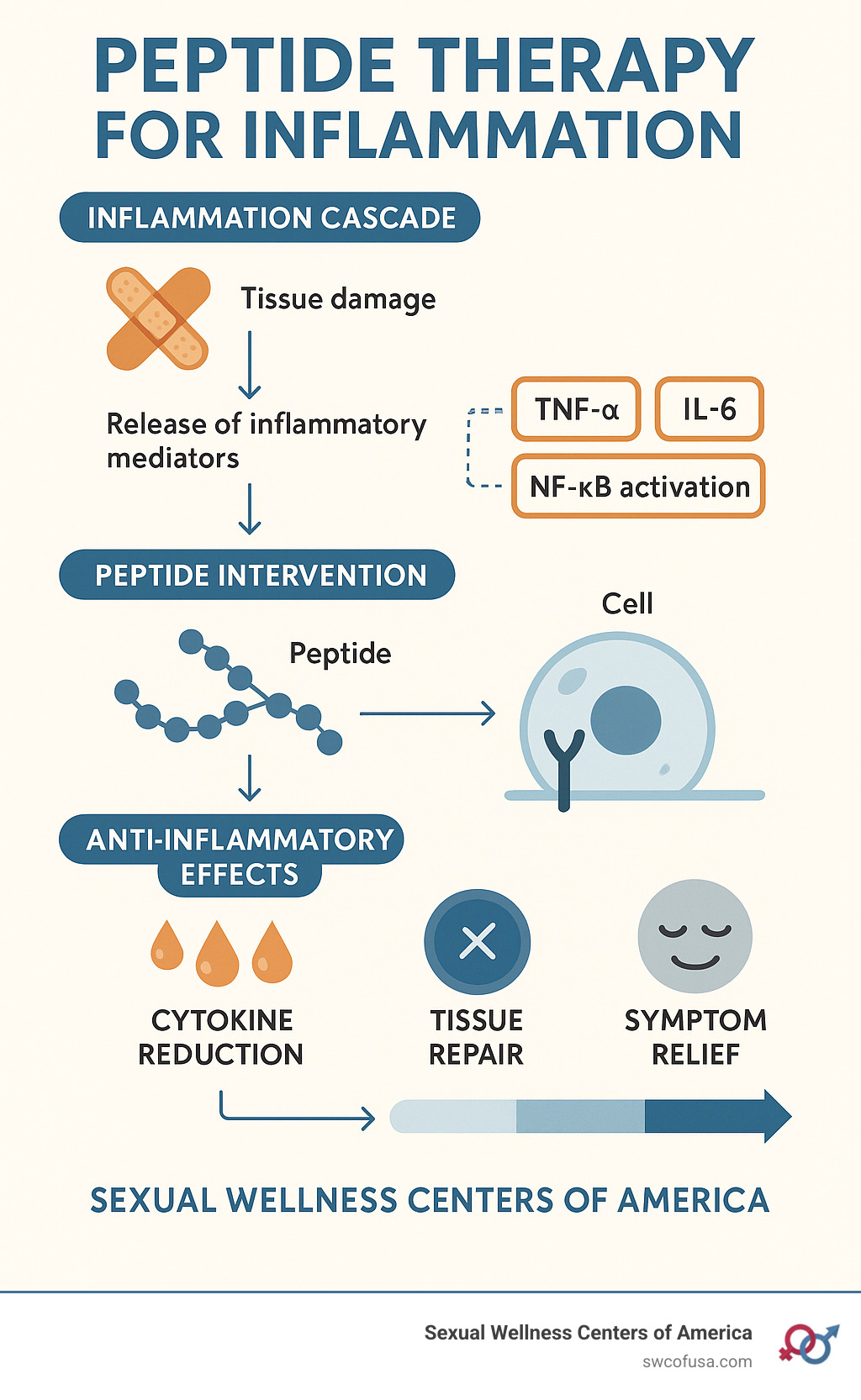
Bioactive peptides represent a promising alternative. These short chains of amino acids work by modulating your body’s inflammatory pathways naturally. Research shows that peptides can effectively reduce key inflammatory markers like TNF-α and IL-6 while promoting tissue repair and healing.
The science is compelling. Studies demonstrate that certain peptides can reduce inflammatory cell counts by up to 57% in colitis models, while others provide sustained pain relief for up to six days from a single application. With over 170 peptides currently in clinical trials and 33 already approved for various conditions, this field is rapidly advancing.
I’m Jeff Nuziard, CEO of Sexual Wellness Centers of America, where I’ve witnessed how peptide therapy for inflammation can transform patients’ lives by addressing both inflammatory conditions and their impact on sexual wellness. My experience in healthcare innovation has shown me that peptides offer a unique opportunity to treat inflammation while supporting overall vitality and intimate health.
Glossary for peptide therapy for inflammation:
– peptide therapy for arthritis
– peptides for healing
– peptide therapy benefits
Peptide Basics: What They Are & Why They Matter
Imagine your body as a busy city where millions of conversations happen every second. Peptides are like the text messages flying between cells – short, precise chains of amino acids that carry vital instructions throughout your body.
These molecular messengers are surprisingly simple yet incredibly powerful. Most therapeutic peptides contain just 2 to 20 amino acid building blocks linked together like beads on a string. What makes them special isn’t their size, but their ability to deliver specific messages that can calm inflammation, promote healing, and restore balance.
Bioactive peptides are the real stars of peptide therapy for inflammation. They work at remarkably low doses while causing minimal side effects – a stark contrast to traditional anti-inflammatory drugs that can wreak havoc on your stomach, liver, or immune system. It’s like having a whispered conversation instead of shouting to get your point across.
Your body already makes thousands of different peptides naturally. They act as signaling molecules, telling cells when to heal, when to fight infection, and when to calm down after an inflammatory response. The challenge has always been using this natural communication system therapeutically.
Food-derived peptides from sources like milk, eggs, and marine organisms have been used for centuries in traditional medicine, though we’re only now understanding why they work. Modern science allows us to identify the most powerful sequences and even design improved versions with better stability and effectiveness.
How Peptides Function Inside the Body
Think of peptides as master keys that open up specific doors in your cellular neighborhood. They work through several fascinating mechanisms that make them uniquely suited for treating inflammation.
Hormone mimicry is one of their most neat tricks. Some peptides can perfectly imitate your body’s natural hormones, binding to the same receptors and triggering healing responses. Growth hormone-releasing peptides, for example, can stimulate tissue repair while simultaneously reducing inflammatory damage.
Receptor binding showcases the remarkable precision of peptide therapy. Each peptide is like a perfectly crafted key designed for one specific lock. This target specificity means they can address inflammation in joints, skin, or digestive tract without affecting healthy tissues elsewhere.
Enzyme modulation gives peptides another powerful tool. They can either rev up beneficial enzymes that neutralize inflammatory free radicals or put the brakes on harmful enzymes that fuel chronic inflammation. It’s like having a skilled conductor directing your body’s biochemical orchestra.
Perhaps most importantly for inflammation, peptides excel at cytokine balance. Cytokines are the chemical messengers that either fan the flames of inflammation or help resolve it. Peptides can fine-tune this delicate balance, promoting healing while preventing the runaway inflammation that causes chronic pain and tissue damage.
Natural vs. Synthetic Sources

The peptide world offers an exciting blend of nature’s wisdom and scientific innovation. Plant peptides and marine peptides represent millions of years of evolutionary refinement, while designed analogs showcase human ingenuity in creating even more effective therapeutic tools.
Natural sources continue to surprise researchers with their potency. The ocean, in particular, has proven to be a treasure trove of anti-inflammatory peptides. Marine organisms living in harsh environments have evolved remarkable peptides for survival – and many of these same molecules can help humans combat inflammation.
Food-derived peptides offer another fascinating avenue. The walnut-derived peptide LPF has shown incredible promise in reducing colitis inflammation by over 57% while actually improving gut bacteria balance. It’s remarkable that something as simple as a walnut protein fragment can be so therapeutically powerful.
Synthetic design represents the cutting edge of peptide development. Scientists can now create peptides from scratch, optimizing every amino acid for maximum effectiveness and minimal side effects. The synthetic peptide LKEKK demonstrates this perfectly – when tested for psoriasis treatment, it significantly reduced skin inflammation and thickness in just six days.
Manufacturing advances have solved many of the stability challenges that once limited peptide therapy. Modern biotechnology allows for precise synthesis with improved bioavailability, meaning more of the therapeutic peptide reaches its target. Scientific research on bioactive peptides continues to open up new possibilities, bringing us closer to truly personalized anti-inflammatory treatments.
The future of peptide therapy for inflammation lies in combining the best of both worlds – nature’s proven designs improved by human innovation to create safer, more effective treatments for chronic inflammatory conditions.
What Is Peptide Therapy for Inflammation?
Peptide therapy for inflammation is like having a precision-guided treatment that knows exactly where to go and what to do. Instead of using a sledgehammer approach like traditional anti-inflammatory drugs, peptides work more like a skilled surgeon – targeting specific inflammatory pathways while leaving your healthy processes alone.
Think of it this way: if inflammation is a house fire, most medications are like turning on every sprinkler in the neighborhood. Peptide therapy for inflammation, on the other hand, is like having a smart fire suppression system that only activates where the flames are actually burning.
The therapy offers several delivery options depending on your specific needs. Subcutaneous injections are the most popular choice for systemic effects – these tiny injections under the skin allow peptides to enter your bloodstream gradually. For faster results, intravenous delivery gets peptides circulating throughout your body quickly.
If you’re dealing with localized skin inflammation, topical applications can provide targeted relief right where you need it. And for gut-related inflammation, oral administration offers a convenient way to deliver peptides directly to your digestive system.
At Sexual Wellness Centers of America, we don’t believe in one-size-fits-all approaches. Your dosing cycles are carefully personalized based on your specific inflammatory condition, current symptoms, and how your body responds to treatment. We create individualized protocols using comprehensive hormone and vitamin panels to ensure you get the best possible outcomes.
| Treatment Aspect | Peptide Therapy | NSAIDs | Corticosteroids |
|---|---|---|---|
| Target Specificity | High | Low | Moderate |
| GI Side Effects | Minimal | High | Moderate |
| Immune Suppression | None | None | Significant |
| Tissue Repair | Improved | Impaired | Impaired |
| Long-term Safety | Excellent | Poor | Poor |
Mechanisms Behind Peptide Therapy for Inflammation
The real magic of peptide therapy for inflammation happens at the cellular level, where these tiny molecular messengers get to work through multiple sophisticated pathways. Rather than just masking symptoms, peptides actually address the root causes of inflammation.
NF-κB pathway modulation is one of the most important mechanisms. This pathway is often called the “master switch” of inflammation because it controls so many inflammatory processes. When therapeutic peptides block this switch, they can reduce the production of multiple inflammatory chemicals all at once – it’s like turning off the main power source to inflammation.
Some peptides also fine-tune something called the JAK-STAT signaling cascade. This system controls how your cells respond to inflammatory signals. By adjusting these signals, peptides can help your immune system respond more appropriately – strong enough to protect you, but not so aggressive that it causes unnecessary damage.
Cytokine reduction is another powerful mechanism. Cytokines are like your body’s inflammatory messengers, and when they get out of control, chronic inflammation follows. Research shows that specific peptides can dramatically reduce key troublemakers like TNF-α and IL-6. The synthetic peptide 7P, for example, successfully reduced multiple inflammatory markers including TNF-α, IL-1β, IL-6, IL-4, IL-5, and IL-13 in allergic lung inflammation studies.
Perhaps most exciting is how peptides can shift your macrophages from inflammatory mode to healing mode. Macrophages are immune cells that can either promote inflammation (M1 type) or support healing (M2 type). Peptides help flip these cells from troublemakers into healers, promoting tissue repair while calming inflammation.
Many peptides also boost your body’s natural antioxidant defenses by activating the Nrf2-Keap1 pathway. This gives your cells better tools to neutralize the inflammatory free radicals that can cause ongoing tissue damage.
Scientific research on small peptides and inflammation continues to reveal new ways these remarkable molecules can help restore balance to overactive immune systems.
Advantages of Peptide Therapy for Inflammation
The advantages of peptide therapy for inflammation become clear when you compare it to traditional treatments. While NSAIDs and corticosteroids can be effective short-term, they often come with serious long-term consequences that peptides simply don’t have.
Target specificity is perhaps the biggest advantage. Peptides can zero in on specific inflammatory pathways without disrupting the healthy processes your body needs. It’s like having a sniper instead of a shotgun – precise, effective, and minimal collateral damage.
Low toxicity means you can use peptides long-term without worrying about the serious side effects that plague traditional anti-inflammatory drugs. Unlike NSAIDs that can cause life-threatening stomach ulcers or liver damage, peptides work with your body’s natural systems.
Minimal gastrointestinal damage is a huge relief for people who’ve suffered from NSAID-related stomach problems. Peptides don’t interfere with the protective mechanisms in your digestive system, so you can get inflammation relief without trading it for stomach pain.
Tissue repair boost sets peptides apart from other treatments that simply mask symptoms. Many peptides actively promote healing while they’re reducing inflammation. Instead of just turning down the fire alarm, they’re actually helping put out the fire and repair the damage.
Immunomodulation means peptides help balance your immune system rather than suppressing it entirely. Unlike corticosteroids that can leave you vulnerable to infections, peptides help your immune system work smarter, not weaker.
These advantages make peptide therapy for inflammation an attractive option for people seeking long-term relief without the risks associated with conventional anti-inflammatory medications.
How Peptides Reduce Inflammation: Key Molecules & Pathways
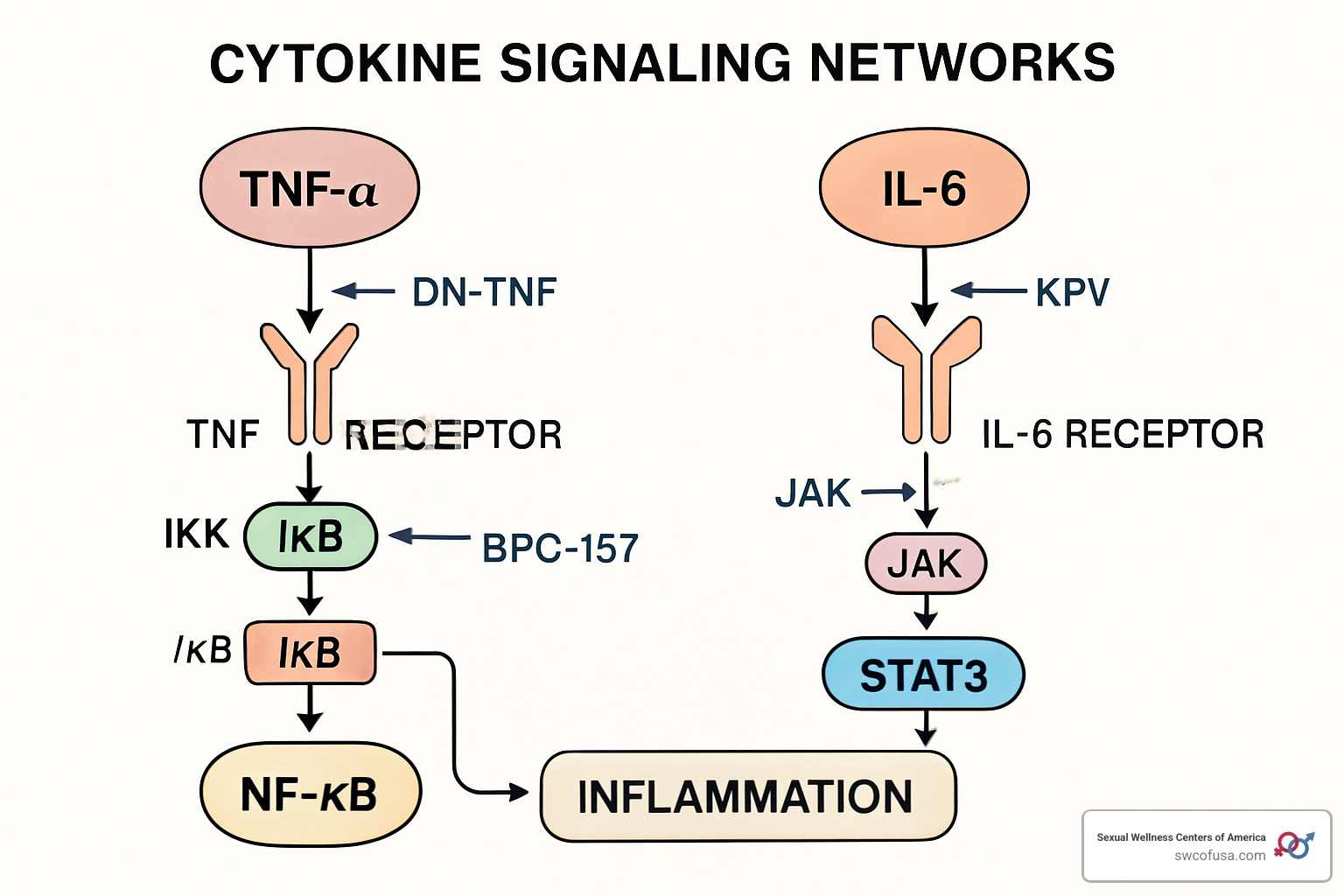
The fascinating world of peptide therapy for inflammation becomes clearer when you understand the specific molecules at work. Think of inflammation like a house fire – while traditional medications are like using a fire hose to flood the entire house, peptides are more like precision fire extinguishers that target only the flames while protecting everything else.
Different peptides work through specialized pathways in your body. Antimicrobial peptides fight infections while calming inflammation – it’s like having a security guard who also doubles as a medic. Wound-healing peptides actively repair damaged tissue while reducing swelling and pain. Gut-barrier peptides strengthen your intestinal lining, which is crucial since about 70% of your immune system lives in your digestive tract.
Cartilage-protective peptides are particularly exciting for joint health, as they can reduce inflammation while actually rebuilding damaged cartilage. Neuro-anti-inflammatory peptides work in your nervous system, potentially helping with conditions where inflammation affects brain function or pain processing.
At Sexual Wellness Centers of America, we’ve seen how systemic inflammation can impact sexual wellness. When chronic inflammation disrupts hormone production or blood flow, it can significantly affect intimate health – which is why addressing inflammation often improves multiple aspects of wellness simultaneously.
Classes of Anti-Inflammatory Peptides
Host-defense peptides are nature’s own security system. These remarkable molecules, found in everything from bee venom to horse fly saliva, pack a double punch – they fight off harmful bacteria while simultaneously calming inflammatory responses. It’s like having a bouncer who also happens to be a skilled diplomat.
Hormone analogues work by mimicking your body’s natural hormones to restore balance. When inflammation disrupts your normal hormone production, these peptides can step in as skilled understudies, helping to normalize inflammatory pathways. Growth hormone-releasing peptides are particularly effective at promoting healing while reducing chronic inflammation.
Antioxidant peptides boost your body’s natural defense systems against inflammatory damage. Think of them as upgrading your cellular security system – they activate pathways like Nrf2/HO-1 that protect your cells from the oxidative stress that fuels inflammation.
Cytokine-mimetic peptides are perhaps the most sophisticated players in this game. They can either imitate beneficial immune messengers or block harmful ones, giving you precise control over your inflammatory responses. It’s like having a skilled translator who can either relay helpful messages or intercept problematic communications.
Real-World Examples of Peptide Therapy for Inflammation
The research behind peptide therapy for inflammation isn’t just theoretical – it’s producing real results for real conditions. Take LKEKK, a synthetic peptide that significantly reduced ear thickness and inflammation in psoriasis models after just six days of treatment. This offers genuine hope for the 60 million people worldwide dealing with this challenging skin condition.
OA-RD17, derived from frog skin, has shown remarkable wound-healing abilities. In studies, this peptide accelerated full-thickness skin wound repair in mice, achieving nearly 100% healing rates by fine-tuning the MAPK/NF-κB pathways. The fact that nature provides such sophisticated healing tools in unexpected places never ceases to amaze me.
For digestive health, LPF – a peptide derived from walnuts – reduced inflammatory cell death in colitis models by an impressive 57.35%. Even more interesting, it helped regulate gut bacteria composition, showing how inflammation and digestive health are deeply connected.
Respiratory conditions benefit from peptides like 7P, which reduced multiple inflammatory markers and airway hyperresponsiveness in allergic lung inflammation models. This synthetic peptide targets TNF-α, IL-1β, IL-6, IL-4, IL-5, and IL-13 – essentially calming an entire storm of inflammatory signals.
IDR-1002 has shown promise for lung infections, reducing bacterial loads in pneumonia models from 7.8×10^7 CFU/g down to just 5.3-5.4×10^5 CFU/g. This demonstrates how peptides can simultaneously fight infection and reduce inflammatory damage.
Finally, krill-derived peptides have proven excellent for joint health, activating protective pathways while reducing inflammation that damages cartilage. These marine-sourced peptides show how the ocean continues to provide innovative solutions for human health challenges.
Clinical Evidence & Future Directions
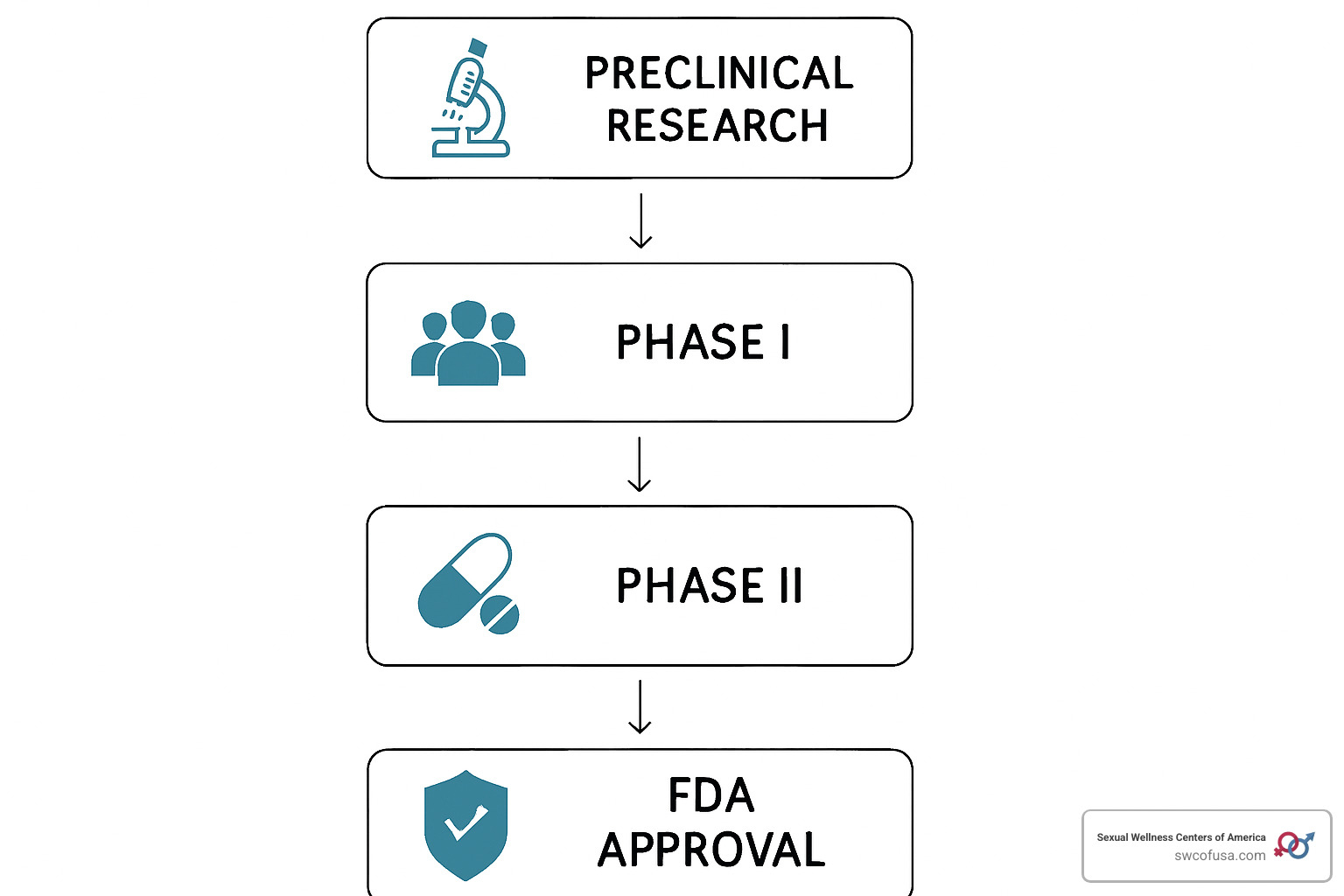
The research supporting peptide therapy for inflammation is growing stronger every year. What started as promising lab studies has evolved into real clinical trials with real patients seeing real results.
Consider this: we now have 33 peptide drugs approved in the last two decades, with more than 170 peptides currently moving through clinical trials. That’s not just impressive – it’s for anyone dealing with chronic inflammation.
The evidence spans multiple inflammatory conditions. Psoriasis trials have shown peptides can reduce skin inflammation without the harsh side effects of traditional treatments. IBD models demonstrate how certain peptides can heal gut inflammation while restoring healthy bacteria balance. COPD studies reveal peptides’ ability to calm lung inflammation and improve breathing.
Perhaps most exciting for our patients at Sexual Wellness Centers of America is how inflammation affects sexual health. When chronic inflammation disrupts hormone production and blood flow, it directly impacts intimate wellness. Peptide therapy for inflammation addresses these root causes rather than just masking symptoms.
Osteoarthritis research shows peptides can reduce joint inflammation while actually promoting cartilage repair – something traditional anti-inflammatory drugs simply can’t do. Systemic lupus studies demonstrate how peptides can modulate autoimmune responses without suppressing the entire immune system.
Current Approved & Investigational Peptide Drugs
The regulatory pipeline tells an encouraging story. Brimapitide (XG-102) is currently in Phase III trials as a JNK pathway inhibitor for inflammatory conditions. This represents a major milestone – Phase III means the peptide has already proven safe and effective in earlier trials.
Over 80 peptide drugs are already FDA-approved for various conditions including diabetes, cancer, and osteoporosis. This track record demonstrates that peptide therapeutics aren’t experimental anymore – they’re proven medicine.
For patients with severe inflammatory conditions who haven’t found relief with conventional treatments, compassionate use programs may provide access to investigational peptides before full approval. These programs have helped thousands of patients when nothing else worked.
The beauty of this progress is that each approved peptide paves the way for the next. Regulatory agencies are becoming more comfortable with peptide safety profiles, which means faster approval times for new anti-inflammatory peptides.
Innovation Horizon
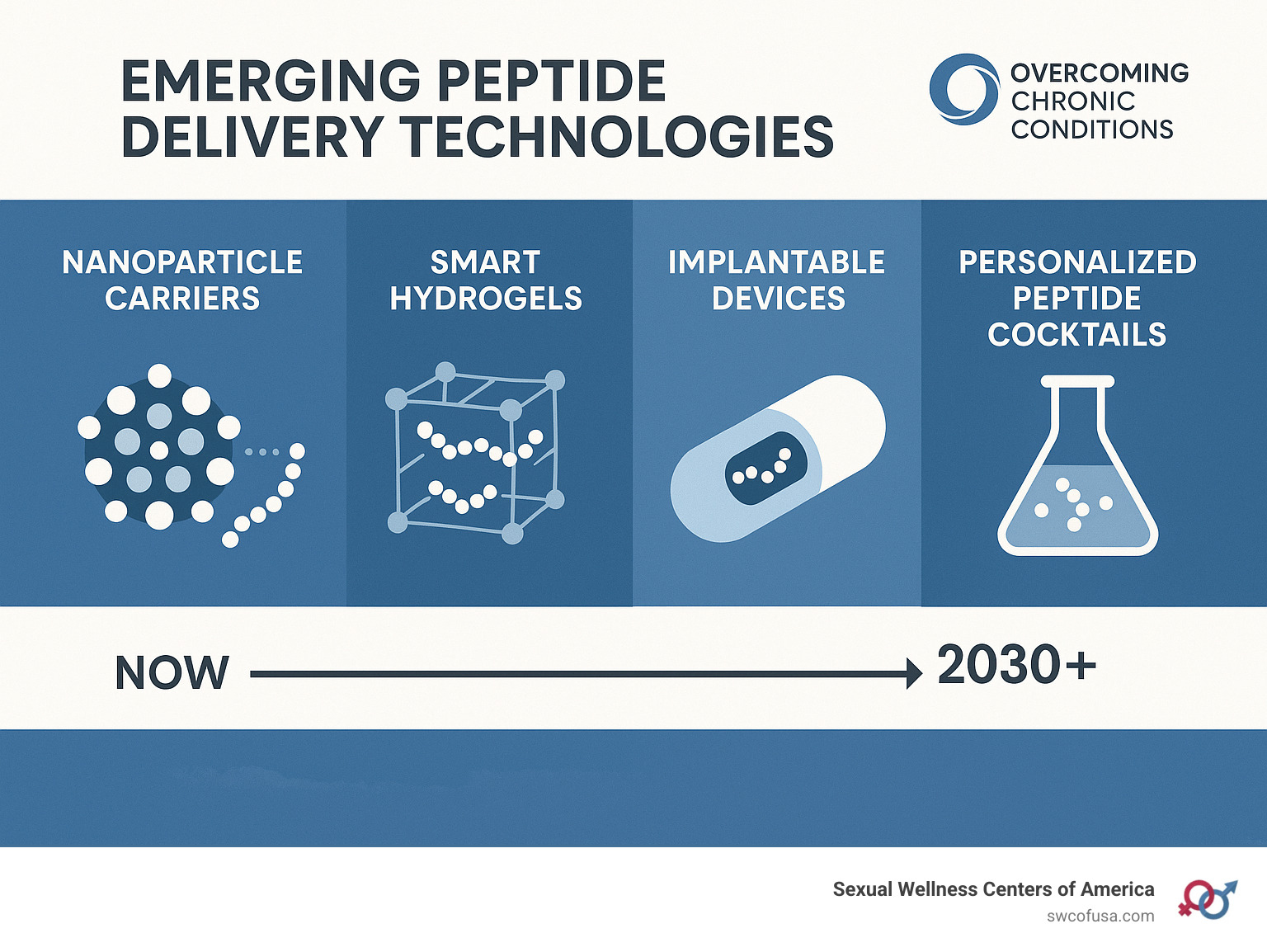
The future of peptide therapy for inflammation looks incredibly promising. Scientists are developing nano-delivery systems that act like microscopic delivery trucks, protecting peptides from breakdown while ensuring they reach exactly the right tissues. Imagine getting sustained anti-inflammatory effects with fewer injections and better results.
Self-assembling hydrogels represent another breakthrough. These smart materials can deliver peptides directly to inflamed areas over weeks or months from a single application. Think of it as a time-release system that provides continuous healing right where you need it most.
Wirelessly controlled microchips might sound like science fiction, but they’re closer to reality than you think. These tiny devices could be programmed to release specific peptides based on your body’s inflammatory signals, providing personalized treatment that adjusts automatically.
Perhaps most exciting is the development of personalized peptide cocktails. Instead of one-size-fits-all treatments, future therapy will combine multiple peptides custom to your specific inflammatory profile, genetic markers, and treatment response. At Sexual Wellness Centers of America, we’re already moving in this direction by creating individualized protocols based on comprehensive hormone and vitamin panels.
Improved stability through chemical modifications like PEGylation and cyclization is extending peptide effectiveness. These advances mean longer-lasting relief with less frequent dosing – a game-changer for managing chronic inflammatory conditions.
The timeline for these innovations varies, but many are expected within the next 5-10 years. For patients dealing with chronic inflammation today, this represents real hope for better, safer, more effective treatments on the horizon.
Accessing Peptide Therapy: Safety, Risks & Practical Steps
Starting peptide therapy for inflammation might feel overwhelming at first, but with the right guidance, it can be a straightforward path to relief. At Sexual Wellness Centers of America, we’ve helped countless patients steer this journey safely and successfully.
The key is finding quality sources and working with experienced practitioners. Not all peptide providers are created equal, and the difference between high-quality therapy and substandard treatment can be significant.
Quality sourcing starts with choosing compounding pharmacies that follow strict manufacturing standards. We only work with facilities that provide detailed certificates of analysis showing peptide purity and potency. This isn’t just paperwork – it’s your assurance that you’re getting exactly what you’re paying for.
Compounding standards matter more than you might think. Peptides are delicate molecules that can lose their effectiveness if not handled properly. The best compounding pharmacies use specialized equipment and follow pharmaceutical-grade protocols to ensure your therapy remains potent from creation to injection.
Side effects with peptide therapy are generally mild, but it’s important to know what to expect. Injection-site reactions like mild redness or swelling are the most common issues we see. These typically resolve within a day or two and become less noticeable as your body adjusts to treatment.
Some patients experience hypersensitivity reactions, though these are rare. Signs include unusual itching, hives, or difficulty breathing. We always start with lower doses to minimize this risk and monitor patients closely during their first few treatments.
Contraindications exist for certain medical conditions. If you have active cancer, severe autoimmune disease, or significant kidney problems, peptide therapy might not be appropriate. This is why we conduct thorough medical evaluations before starting any treatment.
Lab monitoring helps us track your progress and adjust treatment as needed. We typically check inflammatory markers like C-reactive protein and specific cytokines to see how well your body is responding. These tests also help us catch any potential issues early.
Evaluating Safety & Efficacy in Practice
Biomarker panels give us objective data about your inflammation levels. We look at markers like TNF-α, IL-6, and C-reactive protein to understand how severe your inflammation is and how well treatment is working. These numbers don’t lie – they show us exactly what’s happening inside your body.
Imaging studies can be helpful for certain conditions. If you’re dealing with joint inflammation, periodic X-rays or MRIs help us see whether the peptides are actually improving tissue health, not just masking symptoms.
Patient-reported outcomes matter just as much as lab values. We use standardized questionnaires to track your pain levels, function, and quality of life throughout treatment. After all, feeling better is the whole point.
Post-market surveillance is an ongoing process. Even after peptides are approved or widely used, we continue monitoring for any unexpected effects or interactions. This helps us refine protocols and ensure the safest possible treatment.
Preparing to Start Peptide Therapy for Inflammation
Legal and regulatory status can be confusing, but here’s what you need to know: most therapeutic peptides are available through licensed healthcare providers as compounded medications. This means they’re legal and regulated, but you need to work with qualified practitioners who understand the therapy.
Cost considerations are straightforward at our Colleyville location. Peptide therapy for inflammation is typically a cash-pay treatment, and we provide transparent pricing upfront. Many patients can use Health Savings Account funds, which helps make treatment more affordable.
Lifestyle synergy makes a huge difference in your results. Peptides work best when your body is in optimal condition. This means eating an anti-inflammatory diet rich in omega-3 fatty acids, getting regular exercise to improve circulation, managing stress through meditation or other techniques, ensuring adequate sleep for tissue repair, and maintaining proper hydration to support cellular function.
Physician guidance is absolutely essential. Never attempt peptide therapy without professional supervision. Our team conducts comprehensive evaluations including detailed hormone panels, vitamin assessments, and thorough medical history reviews before recommending any treatment. This isn’t just good practice – it’s the only safe way to approach peptide therapy.
We understand that starting a new treatment can feel intimidating. That’s why we take time to explain every step of the process, answer all your questions, and make sure you feel confident about your decision. Peptide therapy for inflammation has helped thousands of patients find relief when other treatments failed, and with proper guidance, it might be the solution you’ve been looking for.
Frequently Asked Questions about Peptide Therapy for Inflammation
Is peptide therapy for inflammation safe long-term?
When you’re dealing with chronic inflammation, the last thing you want is a treatment that creates new problems down the road. The good news is that peptide therapy for inflammation has shown an excellent long-term safety profile when properly supervised by qualified healthcare providers.
Unlike NSAIDs that can slowly damage your stomach lining and kidneys over time, or corticosteroids that weaken your immune system, peptides work with your body’s natural healing processes rather than against them. Research consistently shows minimal or negligible toxicity compared to traditional anti-inflammatory drugs.
That said, we’re not cavalier about safety at Sexual Wellness Centers of America. We recommend regular monitoring through blood work to track your inflammatory markers and ensure the therapy continues working effectively. Think of it like getting your car serviced – routine check-ups help everything run smoothly.
The key is working with experienced practitioners who understand peptide therapy. We’ve seen patients use certain peptides safely for months or even years, but every person is unique. Your treatment plan should always be personalized based on your specific health profile and response to therapy.
How fast does peptide therapy for inflammation relieve symptoms?
I wish I could tell you that peptide therapy for inflammation works overnight like magic, but the reality is more nuanced – and ultimately more encouraging.
Some of our patients notice improvements within just a few days, especially with localized treatments. Research shows that certain peptides can provide sustained pain relief for up to six days from a single application. That’s pretty remarkable when you think about it – one treatment giving you nearly a week of relief.
For systemic inflammation affecting your whole body, patience pays off. Most people start seeing meaningful changes within 2-4 weeks of beginning treatment. This is when blood tests often show improvements in key inflammatory markers like IL-6 and TNF-α.
The timeline really depends on several factors: which specific peptide you’re using, how severe your inflammation is, your overall health status, and how well your body responds to the therapy. Some conditions that have been building up for years naturally take longer to resolve than acute flare-ups.
What I find encouraging is that unlike medications that often lose effectiveness over time, peptides tend to provide sustained benefits as your body’s natural healing processes get back on track.
Can peptide therapy for inflammation replace my NSAID or steroid?
This is probably the question I hear most often, and I completely understand why. Nobody wants to stay on medications that come with serious side effects if there’s a better option available.
Peptide therapy for inflammation does show tremendous promise as an alternative to traditional anti-inflammatory drugs. Many of our patients at Sexual Wellness Centers of America have been able to gradually reduce their reliance on NSAIDs or steroids as peptide therapy takes effect. Some have eliminated these medications entirely.
But here’s the important part – and I can’t stress this enough – never stop taking prescribed medications without consulting your healthcare provider first. This transition needs to be carefully managed to avoid rebound inflammation or other complications.
The smart approach is working with a healthcare team that understands both conventional treatments and peptide therapy. We coordinate closely with your existing doctors to ensure any medication changes are done safely and effectively.
What’s exciting is that peptides often work through completely different pathways than NSAIDs or steroids. This means you might get better results while avoiding the stomach problems, immune suppression, and other side effects that come with long-term use of traditional anti-inflammatory drugs.
The goal isn’t necessarily to replace everything immediately, but to find the most effective, safest combination of treatments for your specific situation.
Conclusion
Peptide therapy for inflammation has opened up an entirely new chapter in how we think about treating inflammatory conditions. Instead of simply masking symptoms or suppressing your immune system, we can now work with your body’s natural healing processes to achieve real, lasting relief.
The research speaks for itself. We’re seeing peptides reduce inflammatory markers by more than half, provide pain relief that lasts for days from a single treatment, and actually help tissues repair themselves. With over 170 peptides currently being studied in clinical trials and 33 already approved by the FDA, this isn’t some experimental treatment – it’s the future of medicine happening right now.
What excites me most about peptide therapy for inflammation is how it fits into our holistic approach at Sexual Wellness Centers of America. Inflammation doesn’t just cause joint pain or skin problems – it can seriously impact your sexual health and overall vitality. When we address inflammation at its root, patients often see improvements they didn’t even expect.
Our approach in Colleyville, TX goes beyond just prescribing peptides. We start with comprehensive hormone and vitamin panels to understand your unique inflammatory profile. Then we create a personalized treatment plan that might include specific peptides alongside lifestyle modifications and other therapies. This individualized approach is why we maintain our 97.2% efficacy rate across various conditions.
The beauty of peptide therapy lies in its precision. Unlike traditional anti-inflammatory drugs that can damage your stomach, liver, or immune system, peptides target exactly what needs fixing while leaving healthy processes alone. It’s like having a surgical instrument at the molecular level.
Whether you’re dealing with chronic pain that’s affecting your intimate life, skin conditions that impact your confidence, or digestive inflammation that’s dragging down your energy, peptide therapy for inflammation offers hope without the harsh side effects you’ve come to expect from conventional treatments.
Ready to find what peptide therapy might do for you? More info about peptide therapy programs is available through our comprehensive consultation process. We’ll take the time to understand your specific situation and create a treatment plan that’s as unique as you are.
The future of treating inflammation isn’t about fighting your body – it’s about giving it the right tools to heal itself. And that future is available today.