
Why Diabetes and ED Go Hand in Hand—And What You Can Do About It
ED solutions for diabetics include oral medications (PDE5 inhibitors like Viagra, Cialis, Levitra, and Stendra), injection therapies (TriMix, Alprostadil), vacuum erection devices, topical treatments (Eroxon gel), advanced therapies (platelet-rich plasma), and penile implants. The most effective approach combines medical treatment with improved blood sugar control and lifestyle modifications.
Quick Reference: ED Treatment Options for Diabetics
| Treatment Type | Examples | Effectiveness in Diabetics |
|---|---|---|
| Oral Medications | Sildenafil (Viagra), Tadalafil (Cialis), Vardenafil (Levitra), Avanafil (Stendra) | ~50% success rate |
| Injections | TriMix, Alprostadil | Higher success when oral meds fail |
| Devices | Vacuum pumps, penile implants | 12-15 year lifespan for implants |
| Topical | Eroxon gel (OTC) | First FDA-approved non-prescription option |
| Advanced | PRP therapy, penile prosthesis | For treatment-resistant cases |
If you’re among the 35% to 75% of men with diabetes who experience erectile dysfunction, you’re not alone—and more importantly, you’re not without options. The connection between diabetes and ED is clear: high blood sugar levels damage the blood vessels and nerves that control erections. Men with diabetes tend to develop ED 10 to 15 years earlier than men without the condition, and about half experience it within ten years of diagnosis.
But here’s the good news: ED doesn’t have to be a permanent part of your life with diabetes. Modern medicine offers a range of proven solutions, from simple oral medications to advanced therapies, that work specifically for men managing diabetes. The key is understanding your options and taking action.
I’m Jeff Nuziard, CEO of Sexual Wellness Centers of America, where I’ve dedicated my career to helping men and women overcome sexual health challenges, including ED solutions for diabetics through innovative, science-backed treatments. With our comprehensive approach combining advanced medical therapies, hormone optimization, and personalized care, we’ve helped countless men reclaim their intimate lives despite diabetes.
Learn more about ED solutions for diabetics:
Understanding the Connection: Why Diabetes Causes ED
Erectile dysfunction (ED), often referred to as impotence, is the inability to get or maintain an erection firm enough for satisfactory sexual intercourse. While it can affect any man, it’s significantly more common in men living with diabetes. We’ve seen how diabetes can complicate sexual health, making it a crucial topic for our patients in Colleyville, TX.
The statistics are quite telling: about 35% to 75% of men with diabetes will experience some degree of ED during their lifetime. What’s even more striking is that men with diabetes tend to develop ED 10 to 15 years earlier than their non-diabetic counterparts. For men over 50 with diabetes, approximately 50% to 60% face difficulties with erections, and by age 70, this likelihood jumps to about 95%. Half of men diagnosed with diabetes experience ED within ten years of their diagnosis, highlighting the strong and often swift connection.
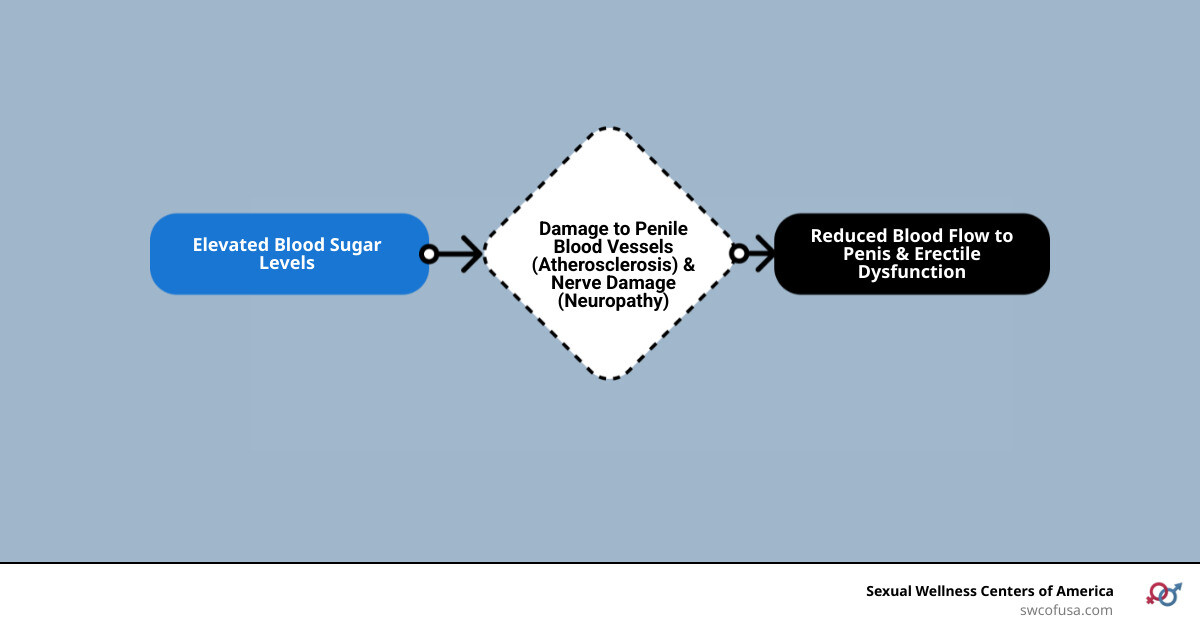
So, why does diabetes have such a profound impact on erectile function? The answer lies in the chronic effects of high blood sugar on the body’s intricate systems responsible for an erection. Diabetes can disrupt sexual function through several pathophysiological pathways, essentially impacting the very mechanisms that allow for an erection.

The Underlying Causes of ED in Men with Diabetes:
-
Damage to Blood Vessels (Atherosclerosis and Endothelial Dysfunction): Persistent high blood sugar levels can damage the lining of blood vessels, a condition known as endothelial dysfunction. This damage leads to atherosclerosis, a hardening and narrowing of the arteries. When the tiny blood vessels supplying the penis are affected, blood flow becomes obstructed. An erection requires a healthy influx of blood into the penile tissues. If these arteries are narrowed, there simply isn’t enough blood to achieve or maintain firmness. This is a primary cause of ED in diabetic men, as diabetes promotes this vascular damage throughout the body.
-
Nerve Damage (Diabetic Neuropathy): Diabetes can lead to nerve damage, or neuropathy, a common complication. In the context of ED, this can affect the nerves that control sensation in the genitals and the nerves that signal the blood vessels to relax and allow blood flow for an erection. If these nerve signals are impaired, the brain’s message to “get ready” simply doesn’t get through effectively, leading to reduced sensation and difficulty with erection. We understand the complex relationship between diabetic neuropathy and ED and offer targeted care.
-
Smooth Muscle Changes: The penile tissues contain smooth muscles that need to relax to allow blood to fill the penis. Diabetes can cause structural and functional changes in these smooth muscles, making them less responsive to the signals that initiate an erection.
-
Hormonal Imbalances (Androgen Deficiency): Diabetes can also affect the hormonal system, potentially lowering testosterone levels. While testosterone isn’t the sole driver of erections, low levels can contribute to decreased libido and sometimes impact erectile quality. We often include hormone panels in our diagnostic process to check for such imbalances.
-
Co-existing Conditions: Men with diabetes are also more likely to have other conditions like high blood pressure (hypertension) and cardiovascular disease. These conditions, and sometimes the medications used to treat them, can further increase the risk and severity of ED.
Understanding how diabetes affects sexual function is the first step toward finding effective solutions. The interplay of these factors means that ED in diabetics is often complex and requires a comprehensive approach. We dig deep into how diabetes affects erectile dysfunction to tailor the best treatment plans for our patients.
Risk factors that increase the likelihood of ED in diabetic men include age, the duration of diabetes, poor diabetes control, smoking, hypertension, dyslipidemia (unhealthy cholesterol levels), androgen deficiency, and pre-existing cardiovascular diseases. Addressing these factors is crucial for both overall health and improving erectile function.
Effective ED Solutions for Diabetics: A Comprehensive Guide
Now that we understand the complex relationship between diabetes and ED, let’s explore the range of effective ED solutions for diabetics available today. We believe in a tiered approach, starting with the least invasive options and progressing as needed, always personalized to your unique health profile. Our goal at Sexual Wellness Centers of America is to provide comprehensive erectile dysfunction treatment options, ensuring you understand what treatments are available for erectile dysfunction and which might be best for you.
Here’s a look at the various treatment avenues we explore:
| Treatment Type | Description | How it Works for Diabetics | Key Considerations |
|---|---|---|---|
| Oral Medications (PDE5i) | Pills taken before sexual activity. | Improve natural erection process by increasing blood flow. | First-line treatment, ~50% effective, requires careful medical review for heart conditions. |
| Injections (Intracavernous) | Medication injected directly into the penis. | Induces erection by relaxing blood vessels and increasing blood flow. | Second-line, highly effective when PDE5i fail, fast-acting. |
| Intraurethral Suppositories | Small pellet inserted into the urethra. | Releases Alprostadil to promote blood flow. | Less invasive than injections, but can be less effective. |
| Vacuum Erection Devices (VEDs) | Mechanical pump creates vacuum to draw blood into penis. | Creates an erection manually, constriction ring maintains it. | Non-invasive, good for those who can’t use medication. |
| Topical Gels | Applied directly to the penis. | Works locally to increase blood flow. | Newer option, non-prescription (Eroxon), may have fewer systemic side effects. |
| Advanced Therapies (PRP, HEshot®™) | Platelet-Rich Plasma (PRP) injections. | Uses growth factors from your own blood to regenerate tissue and improve blood flow. | Emerging, promising results for tissue repair and function. |
| Penile Implants (Prostheses) | Surgical placement of rods or inflatable devices. | Provides a reliable and rigid erection on demand. | Last-resort, permanent solution for refractory cases, 12-15 year average lifespan. |
Oral Medications as ED Solutions for Diabetics
For many men with diabetes, the first line of treatment we consider is oral medication, specifically phosphodiesterase type 5 (PDE5) inhibitors. These drugs are well-known and often effective.
How PDE5 Inhibitors Work:
Pills for ED typically contain PDE5 inhibitors. These substances block the PDE5 enzyme function, which regulates the contraction and relaxation of smooth muscles, such as those within the artery walls. By disrupting this enzyme, PDE5 inhibitors cause the smooth muscles in the penis to relax, dilating the arteries and increasing blood flow to the area. This improved blood flow, in conjunction with sexual stimulation, helps achieve and maintain an erection.
Common PDE5 Inhibitors for Diabetics:
While all PDE5 inhibitors have shown similar effectiveness in improving erectile function in people with diabetes, their onset, duration, and potential side effects can vary. It’s important to consult with a doctor to determine the best option for you, especially considering potential interactions with other medications you might be taking for diabetes or related conditions.
- Sildenafil (Viagra): This is perhaps the most famous ED medication. It typically starts working about 30 minutes to an hour after ingestion, and its effects can last up to 4 hours. We’ve seen it be a very effective option for many of our patients.
- Tadalafil (Cialis): Known for its longer duration of action, tadalafil can last up to 36 hours. This characteristic has earned it the nickname “the weekend pill.” It can also be taken daily in a lower dose, offering spontaneity. A 2019 study found that men with diabetes who took tadalafil daily showed significant improvement in their ED.
- Vardenafil (Levitra, Staxyn): Vardenafil generally works within about an hour and its effects can last up to 5 hours. It’s available as a coated tablet.
- Avanafil (Stendra): This is a newer PDE5 inhibitor that works more quickly than most others, taking effect within 15–30 minutes. Its effects typically last 3–5 hours.
Considerations for Diabetics:
Oral medications for ED typically work about 50% of the time for men with diabetes. While effective for many, it’s crucial to discuss your full medical history with us, especially any heart conditions or other medications. We want to ensure your safety and the efficacy of the treatment. For those interested in diabetic medications and ED, we provide thorough consultations.
Advanced Technology and ED Solutions for Diabetics
When oral medications aren’t sufficient or suitable, we turn to a range of advanced ED solutions for diabetics that offer excellent results. These options provide hope and efficacy for many men.
Injections
Intracavernous administration of vasoactive drugs is commonly used as a second-line medical treatment when PDE5 inhibitors have failed. These medications are injected directly into the side of the penis, inducing an erection by relaxing the smooth muscles and allowing blood to flow in.
- Alprostadil: This is the most widely used drug in the second-line setting for ED treatment in diabetics. It’s a synthetic prostaglandin E1, a muscle relaxant and vasodilator that relaxes the muscles and blood vessels in the penis to increase blood flow and encourage an erection.
- TriMix Injections: For those who don’t respond to Alprostadil alone, a combination of papaverine, phentolamine, and alprostadil (known as TriMix) represents a highly efficacious intracavernous pharmacologic treatment option. This mixture can induce an erection within 5–20 minutes, lasting up to an hour. Papaverine relaxes blood vessels, phentolamine stops smooth muscle contraction, and alprostadil further relaxes muscles and blood vessels. We offer comprehensive services for erectile dysfunction shot treatments at our Colleyville, TX location.
Devices
-
Vacuum Erection Devices (VEDs): These non-invasive devices consist of a plastic cylinder placed over the penis and a pump that creates a vacuum, drawing blood into the penis. A constriction ring is then placed at the base of the penis to maintain the erection.
-
Penile Prostheses (Implants): For treatment-refractory cases where other methods have not been successful, penile prosthesis implantation can be considered. These implants involve surgically placing inflatable or flexible rods into the penis, providing a reliable and rigid erection. They offer excellent functional and safety results in properly informed patients and typically last 12-15 years on average for men with diabetes.
Other Innovative Solutions
- Eroxon Topical Gel: This is a promising newer option that is the first nonprescription treatment for ED approved by the FDA and is available over the counter. It’s a topical gel applied to the penis, working locally to help achieve an erection.
- Platelet-Rich Plasma (PRP) Therapy: PRP therapy has shown some promise in treating ED. This innovative treatment involves drawing a small amount of your blood, processing it to concentrate the platelets (which contain growth factors), and then injecting the PRP into the penis. The growth factors are believed to stimulate tissue regeneration, improve blood vessel health, and improve erectile function. At Sexual Wellness Centers of America in Colleyville, TX, we use advanced new erectile dysfunction treatments like the HEshot®™, which is a specialized form of PRP therapy designed to harness your body’s natural healing capabilities to improve erectile function. We also offer the SHEshot®™ for women. Our regenMAX® technology further improves these regenerative treatments.
Lifestyle Changes and Diabetes Management
While medical interventions are incredibly effective, we cannot overstate the crucial role of lifestyle changes and robust diabetes management in addressing ED for men with diabetes. These are foundational elements that can significantly improve treatment outcomes and overall well-being.
The Power of Good Glycemic Control
Maintaining good glycemic (blood sugar) control is paramount. Persistently high blood sugar levels are the primary drivers of the nerve and blood vessel damage that leads to ED. By working to keep your blood sugar within target ranges, you can help prevent further damage and potentially improve existing issues.
- Continuous Glucose Monitors (CGMs): These devices continually track your blood glucose day and night, showing trends and patterns over time. CGMs provide real-time data, allowing for more precise adjustments to diet, exercise, and medication, which can lead to better glycemic control. We’ve seen how CGMs empower our patients to make informed decisions about their health.
- Insulin Pumps: For those who use insulin, insulin pumps are wearable devices that deliver insulin without the need for a syringe or pen. They can be programmed to deliver insulin continuously (basal) and as a surge (bolus) at mealtimes, mimicking the body’s natural insulin release. This can lead to more stable blood sugar levels.
Healthy Lifestyle Choices
Beyond blood sugar control, several lifestyle modifications can significantly impact ED:
- Stop Smoking: Smoking is a major culprit in worsening ED. It narrows blood vessels and lowers nitric oxide levels, both of which are critical for achieving an erection. Quitting smoking is one of the most impactful steps you can take for your sexual health and overall well-being.
- Achieve and Maintain a Healthy Weight: Being overweight or obese can cause or worsen erectile dysfunction in men with diabetes. Weight loss can improve blood flow, hormone balance, and overall metabolic health, all of which benefit erectile function. We offer comprehensive weight loss management programs to support our patients.
- Engage in Regular Physical Activity: Exercise is a powerful tool. It boosts blood flow throughout the body, including to the penis, lowers stress levels, and helps with weight management. All of these factors can contribute to significant improvements in ED.
- Moderate Alcohol Consumption: While some might think alcohol is a relaxant, excessive alcohol consumption can negatively impact erectile function. For men with diabetes, moderation is key.
- Address Hormonal Imbalances: Diabetes can affect the hormonal system, potentially lowering testosterone levels. If our hormone panels reveal a deficiency, we may recommend hormone replacement therapy to optimize your levels, which can positively impact libido and erectile function.
By integrating these lifestyle changes with your medical treatment plan, we can create a powerful strategy for managing ED and reclaiming your intimacy.
Frequently Asked Questions about ED and Diabetes
We often hear similar questions from our patients in Colleyville, TX, about ED and its connection to diabetes. Let’s address some of the most common concerns.
Can improving blood sugar levels reverse ED?
This is a great question, and the answer is nuanced. Improving blood sugar control is absolutely critical for the long-term management of ED in diabetics. By maintaining good glycemic control, you can prevent further damage to the nerves and blood vessels that are essential for erections. In some cases, especially if ED is in its early stages and the damage isn’t severe, significant improvement or even a degree of reversal might be possible.
However, if diabetes has caused permanent or extensive damage to blood vessels or nerves over a long period, complete reversal might not be achievable. In these situations, prescription medications, vacuum devices, or penile implants become important tools to manage the condition and restore function. The key takeaway is that managing your diabetes effectively is foundational for any diabetes and ED treatment plan, even if it doesn’t lead to a full “cure.” It ensures that any other treatments you pursue have the best chance of success.
Are ED medications safe for diabetics with heart disease?
Most people with diabetes can safely take ED pills, but it’s paramount to have a thorough discussion with your doctor first. This is especially true if you have co-existing heart disease, which is common among diabetics.
The main concern revolves around potential drug interactions, particularly with nitrate-based medications. Doctors often prescribe nitrates for conditions like angina (chest pain) or high blood pressure, which frequently affect people with diabetes. PDE5 inhibitors (the class of drugs in most ED pills) can interact dangerously with nitrates, causing a severe and sudden drop in blood pressure that can be life-threatening.
Therefore, disclose all your medications, including over-the-counter drugs and supplements, to your healthcare provider. We will carefully assess your cardiovascular health and medication regimen to ensure that any prescribed ED medication is safe for you. These medications can also affect a person’s heart rate and vision, so a complete medical evaluation is a must. ED medications can interact with other drugs, and your safety is our top priority.
What role do psychological factors play in diabetic ED?
Psychological factors can play a significant role in ED for men with diabetes, often acting as both a cause and a consequence. The diagnosis of diabetes itself can bring stress, anxiety, and even depression, which can directly impact sexual desire and performance. Performance anxiety—the fear of not being able to achieve or maintain an erection—can become a self-fulfilling prophecy, making the problem worse.
Diabetes can psychologically disrupt sexual function, and the emotional toll of dealing with a chronic illness can be substantial. We often see that even when the physical aspects of ED are addressed, underlying psychological barriers can persist.
Addressing these psychological factors is a crucial part of a holistic treatment plan. This can include:
- Counseling or Sex Therapy: Working with a therapist or sexologist can help men and their partners cope with the emotional challenges of ED, reduce performance anxiety, and improve communication.
- Stress Management Techniques: Learning to manage stress through mindfulness, relaxation exercises, or other techniques can reduce its impact on sexual function.
- Addressing Depression and Anxiety: If depression or anxiety are significant, treatment for these conditions (which might include medication or therapy) can also improve sexual health. We understand the link between mental well-being and physical health, including how peptide therapy for anxiety can be beneficial for some patients.
Ignoring the psychological component of ED means missing a vital piece of the puzzle. We encourage open discussion about all aspects of your sexual health.
Conclusion
Living with diabetes doesn’t mean you have to surrender your intimate life. While the connection between diabetes and ED is significant, a wide array of effective ED solutions for diabetics are available today. From oral medications and injections to advanced therapies like the HEshot®™ and surgical options, we have the tools and expertise to help you reclaim intimacy.
At Sexual Wellness Centers of America in Colleyville, TX, we pride ourselves on our comprehensive, personalized approach. We begin with thorough diagnostics, including hormone and vitamin panels, to uncover the root causes of your ED. Our innovative treatments, such as the HEshot®™ (for men) and SHEshot®™ (for women) utilizing regenMAX® technology, are designed to address the specific challenges faced by individuals with diabetes, boasting a remarkable 97.2% efficacy in erectile dysfunction reversal.
We believe in empowering you with knowledge and offering the most advanced, science-backed solutions. Don’t let ED be a silent struggle. Take control of your sexual health and well-being.
Reclaim your sexual health today with Sexual Wellness Centers of America in Colleyville, TX. We’re here to help you live a fulfilling and intimate life.