Understanding Your Options for Vaginal Rejuvenation
A vaginal rejuvenation procedure refers to any treatment designed to restore or improve vaginal function and appearance. If you’re looking into these procedures, here’s what you need to know at a glance:
Vaginal Rejuvenation Quick Facts:
– Definition: Surgical or non-surgical procedures to tighten vaginal tissues and improve function
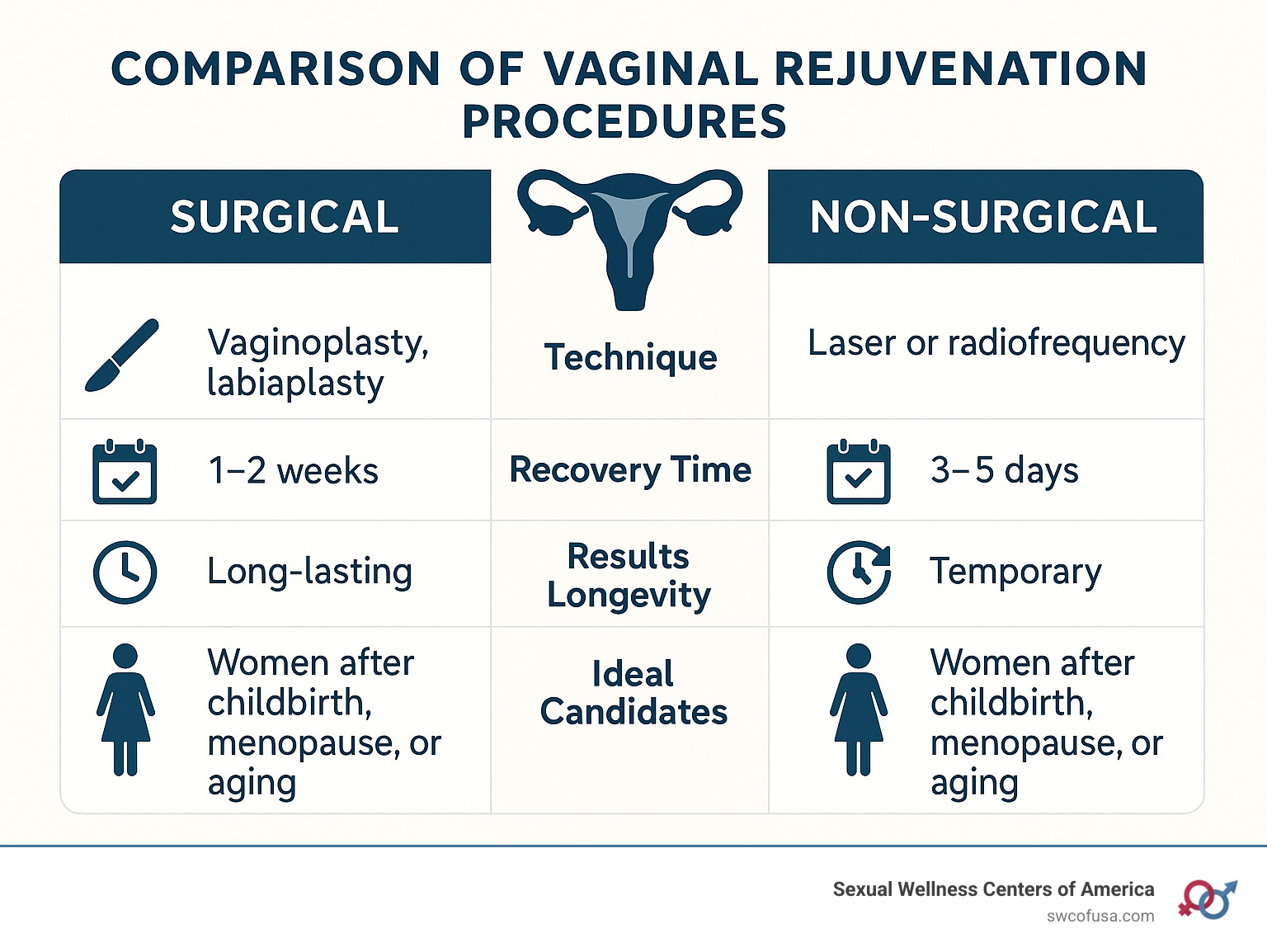
– Types: Surgical (vaginoplasty, labiaplasty) and non-surgical (laser, radiofrequency)
– Candidates: Women experiencing changes after childbirth, menopause, or aging
– Recovery: 3-5 days for non-surgical; 1-2 weeks for surgical procedures
– Cost: Typically $2,000-$15,000 depending on procedure type
Many women find themselves considering vaginal rejuvenation after experiencing changes in their intimate areas. Whether due to childbirth, hormonal shifts during menopause, or simply the natural aging process, these changes can affect both physical comfort and self-confidence.
Studies show that 83% to 90% of patients report improved sexual satisfaction following these procedures, making them increasingly popular options for women looking to address vaginal laxity, dryness, or stress urinary incontinence.
The good news is that modern medicine offers both surgical and non-surgical approaches, with varying levels of invasiveness, recovery time, and longevity of results.
“I never thought I would feel confident again in intimate settings. This procedure changed everything for me,” reports one 42-year-old mother of two who underwent treatment.
I’m Jeff Nuziard, CEO of Sexual Wellness Centers of America LLC, where we’ve helped thousands of women regain confidence and comfort through personalized vaginal rejuvenation procedures designed to address each patient’s unique concerns with dignity and cutting-edge technologies.
Essential vaginal rejuvenation procedure terms:
– how long does vaginal rejuvenation last
– non surgical vaginal rejuvenation
– vaginal rejuvenation before after photos
Understanding the Vaginal Rejuvenation Procedure
When we talk about a vaginal rejuvenation procedure, we’re actually referring to a family of treatments rather than a single approach. These procedures address both internal and external changes to the vaginal area that naturally occur throughout a woman’s life.
The term itself isn’t actually medical terminology but rather an umbrella marketing phrase covering everything from surgical options like vaginoplasty to gentler non-invasive treatments using lasers or radiofrequency. Think of it as a menu of options rather than a one-size-fits-all solution.
You’re definitely not alone if you’ve experienced changes “down there.” Between 53-79% of women experience vaginal tearing during childbirth, which can permanently alter both appearance and function. Similarly, the hormonal rollercoaster of menopause often leads to thinner tissues, dryness, and decreased elasticity that can affect comfort and confidence.
It’s worth noting that in 2018, the FDA raised concerns about some device-based treatments, questioning certain marketing claims and calling for more evidence. This doesn’t mean these treatments don’t work – just that we should approach them with realistic expectations and thorough research.
At Sexual Wellness Centers of America, we believe in honest conversations about what these procedures can and cannot do. Every woman’s body and concerns are unique, which is why we customize our approach for each person who walks through our doors.
Why Women Consider a Vaginal Rejuvenation Procedure
Women come to us considering a vaginal rejuvenation procedure for many reasons that go far beyond just aesthetics. Understanding these motivations helps explain why these treatments have become increasingly mainstream.
Many women experience vaginal laxity (looseness) after childbirth or simply through aging, which can diminish sensation during intimacy. Others struggle with the embarrassment and inconvenience of stress urinary incontinence – those unexpected leaks when you laugh, sneeze, or exercise.
For women in perimenopause or beyond, vaginal dryness can make intimacy painful rather than pleasurable. Some women feel self-conscious about the appearance of their labia, particularly if they’re asymmetrical or elongated, which can affect everything from their choice of clothing to their willingness to be intimate.
“After having two children, I couldn’t even keep a tampon in place,” one patient shared. “It was embarrassing and made me feel like my body was broken.”
What’s particularly striking is that while about 40% of women experience psychological distress from sexual dysfunction, only 14% actually speak to a doctor about it. Too many women suffer silently, unaware that solutions exist that could significantly improve their quality of life.
Physical discomfort from elongated labia can also interfere with everyday activities like cycling or wearing certain clothes – issues that go far beyond mere appearance concerns.
Core Goals of the Vaginal Rejuvenation Procedure
The fundamental aims of a vaginal rejuvenation procedure vary depending on which specific treatment you choose, but generally focus on restoring both function and confidence.
Most women seek vaginal tightening to improve the muscle tone of the vaginal canal, enhancing friction during intimacy for greater satisfaction. Others want to reshape external tissues for comfort and appearance, reducing or balancing the labia to eliminate physical discomfort during activities or while wearing certain clothes.
For those struggling with dryness, treatments that stimulate the vaginal mucosa can improve natural lubrication, making intimacy comfortable again. Many non-surgical options work by triggering your body’s natural collagen production, improving tissue elasticity and strength over time.
Women dealing with stress urinary incontinence often find relief through procedures that strengthen the pelvic floor, giving them the freedom to laugh, exercise, and live without worry. And underlying all these physical goals is perhaps the most important one: restoring self-confidence and reclaiming a positive relationship with your body.
At Sexual Wellness Centers of America, we understand that vaginal rejuvenation isn’t just about physical changes—it’s about how those changes can transform how you feel about yourself. That’s why we take the time to understand your specific concerns before recommending any treatment plan.
Types of Vaginal Rejuvenation: Surgical vs Non-Surgical
When exploring a vaginal rejuvenation procedure, you’ll quickly find there are two main paths: surgical and non-surgical options. Understanding the differences helps you make a choice that aligns with your comfort level, recovery expectations, and desired results.
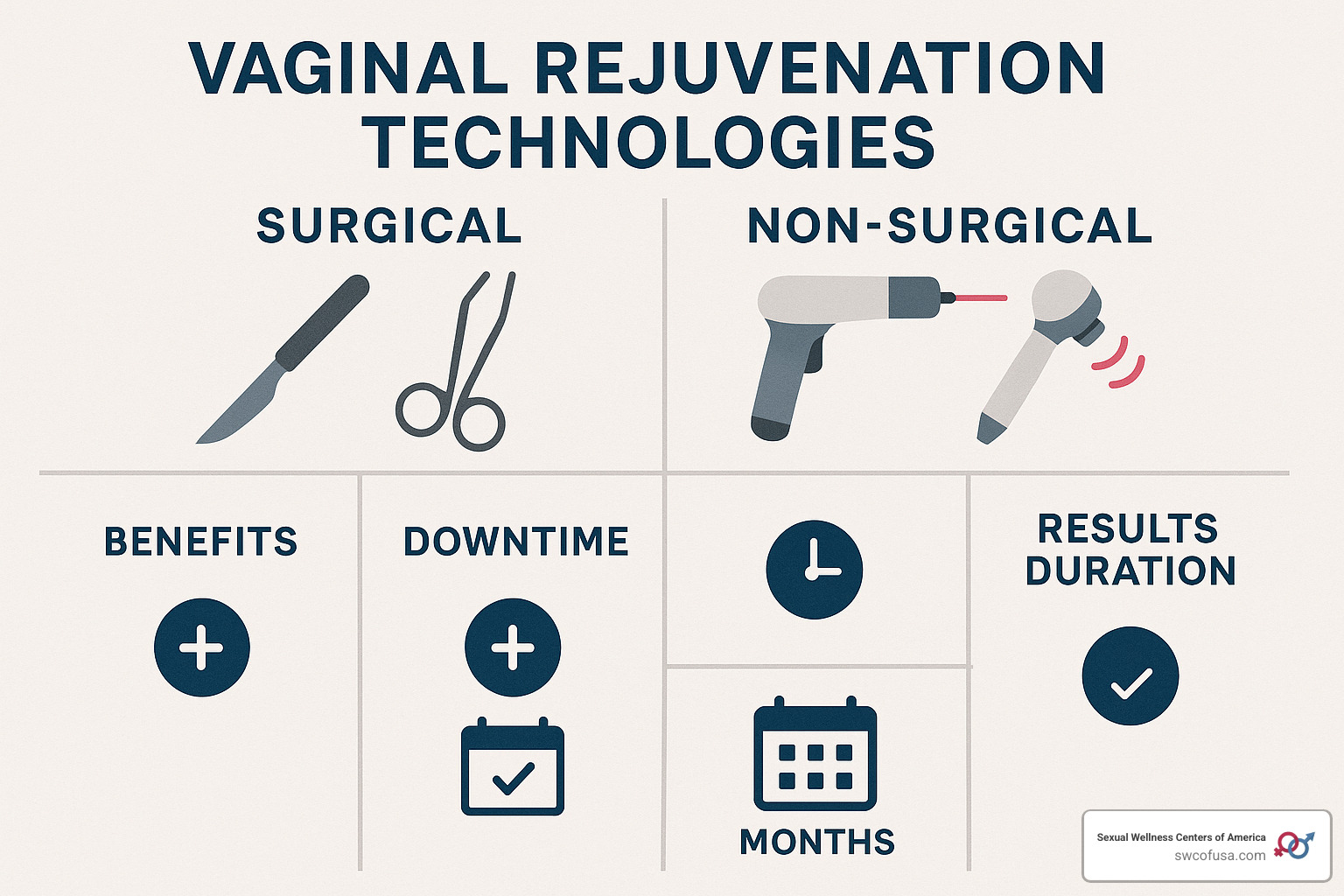
Surgical Vaginal Rejuvenation Options:
Surgical approaches offer more dramatic, longer-lasting results but require more recovery time. These include:
Vaginoplasty tightens the vaginal canal and surrounding muscles that have loosened due to childbirth or aging. Your surgeon removes excess vaginal lining and tightens the surrounding muscles to restore tightness.
Labiaplasty focuses on the external appearance, reshaping or reducing the labia minora (inner lips) or labia majora (outer lips). This can address asymmetry, elongation, or physical discomfort you might experience during certain activities.
Clitoral hood reduction removes excess tissue covering the clitoris. This can improve sensitivity and create a more balanced appearance that many women find aesthetically pleasing.
Monsplasty reduces excess fatty tissue and skin in the mons pubis (the padded area over your pubic bone), creating a smoother, flatter contour that many women prefer.
Perineoplasty tightens the vaginal opening and the perineum (the area between your vagina and anus), often performed alongside vaginoplasty for comprehensive rejuvenation.
Non-Surgical Vaginal Rejuvenation Options:
If surgery sounds intimidating, you might prefer these gentler approaches:
CO₂ Laser Therapy uses fractional laser energy to stimulate your body’s natural collagen production in vaginal tissues. This improves thickness, elasticity, and natural lubrication without any cutting.
Er:YAG Laser Treatment offers a gentler laser option that heats vaginal tissue to encourage collagen remodeling without ablating (removing) tissue, making it comfortable with minimal downtime.
Radiofrequency (RF) Treatments like ThermiVa® use heat energy to stimulate collagen production and tissue tightening, helping restore both function and appearance.
Platelet-Rich Plasma (PRP) Therapy involves taking a small sample of your own blood, processing it to concentrate the healing platelets, and injecting it to stimulate tissue regeneration and improve sensitivity.
Fillers can add volume to areas like the labia majora that may have lost fullness with age, using hyaluronic acid or other dermal fillers for a more youthful appearance.
| Procedure Type | Anesthesia Required | Downtime | Results Duration | Price Range |
|---|---|---|---|---|
| Vaginoplasty | Yes (general or local) | 1-2 weeks | 5+ years | $7,500-$12,000 |
| Labiaplasty | Yes (general or local) | 1 week | Permanent | $4,000-$8,000 |
| CO₂/Er:YAG Laser | No | 3 days | 12-18 months | $2,000-$3,500 per session |
| Radiofrequency | No | None to 1 day | 9-12 months | $2,000-$3,000 per session |
| PRP Therapy | Topical only | None | 12-18 months | $1,500-$2,500 per session |
Surgical Vaginal Rejuvenation Procedure Steps
If you’re leaning toward a surgical vaginal rejuvenation procedure, knowing what to expect can help calm your nerves and set realistic expectations.
Pre-Operative Preparation:
Before your surgery day, you’ll have a thorough consultation where your surgeon examines you and discusses your goals. They’ll review your medical history and may order pre-operative tests. You’ll receive specific instructions about medications, smoking cessation, and when to stop eating before surgery.
Surgical Process:
On the day of your procedure, your journey typically follows these steps:
First, you’ll receive anesthesia—either local with sedation or general anesthesia, depending on your preference and your surgeon’s recommendation. This ensures you’re comfortable throughout the procedure.
For vaginoplasty, your surgeon identifies loosened muscles and carefully plicates (folds and stitches) them together, essentially creating a tighter vaginal canal that more closely resembles your pre-childbirth anatomy.
Next, they may remove excess vaginal lining to match your newly tightened muscular structure. If you’re also having labiaplasty, your surgeon will carefully trim and reshape your labia to achieve your desired appearance while preserving sensation.
Your surgeon closes all incisions with dissolvable sutures that typically melt away within a few weeks. Finally, sterile dressings protect your surgical sites as you begin recovery.
Most surgical procedures take between 1-2 hours, though combining multiple procedures may take longer. You’ll likely go home the same day, though occasionally an overnight stay might be recommended for monitoring.
Non-Surgical Vaginal Rejuvenation Procedure Options
Non-surgical vaginal rejuvenation procedures have become increasingly popular because they offer noticeable improvements with minimal disruption to your daily life. Here’s what to expect:
Energy-Based Device Treatments:
The journey begins with a thorough consultation to determine if you’re a good candidate. Unlike surgery, there’s typically no special preparation needed—you can even schedule these during your lunch break!
During the procedure, a medical professional inserts a specially designed wand into your vaginal canal or uses it externally on your labia or vulvar tissues. This device delivers carefully controlled energy (either laser or radiofrequency) that gently heats your tissues to the perfect temperature.
“Many of our patients are surprised by how comfortable the procedure is,” notes our clinical team at Sexual Wellness Centers of America. “Most women feel a warming sensation but no real pain, and treatments typically take less than 30 minutes.”
This controlled heating stimulates your body’s natural collagen production and tissue remodeling processes. For optimal results, most women need 2-3 initial sessions spaced about one month apart, with maintenance sessions recommended every 12-18 months to preserve your results.
Research supports the effectiveness of these treatments. Studies of CO₂ laser treatments show significant improvement in vaginal health, with 84% of patients reporting satisfaction. Similarly, clinical trials of radiofrequency treatments revealed that 43.5% of patients experienced significant improvement in vaginal laxity compared to only 19.6% in the placebo group.
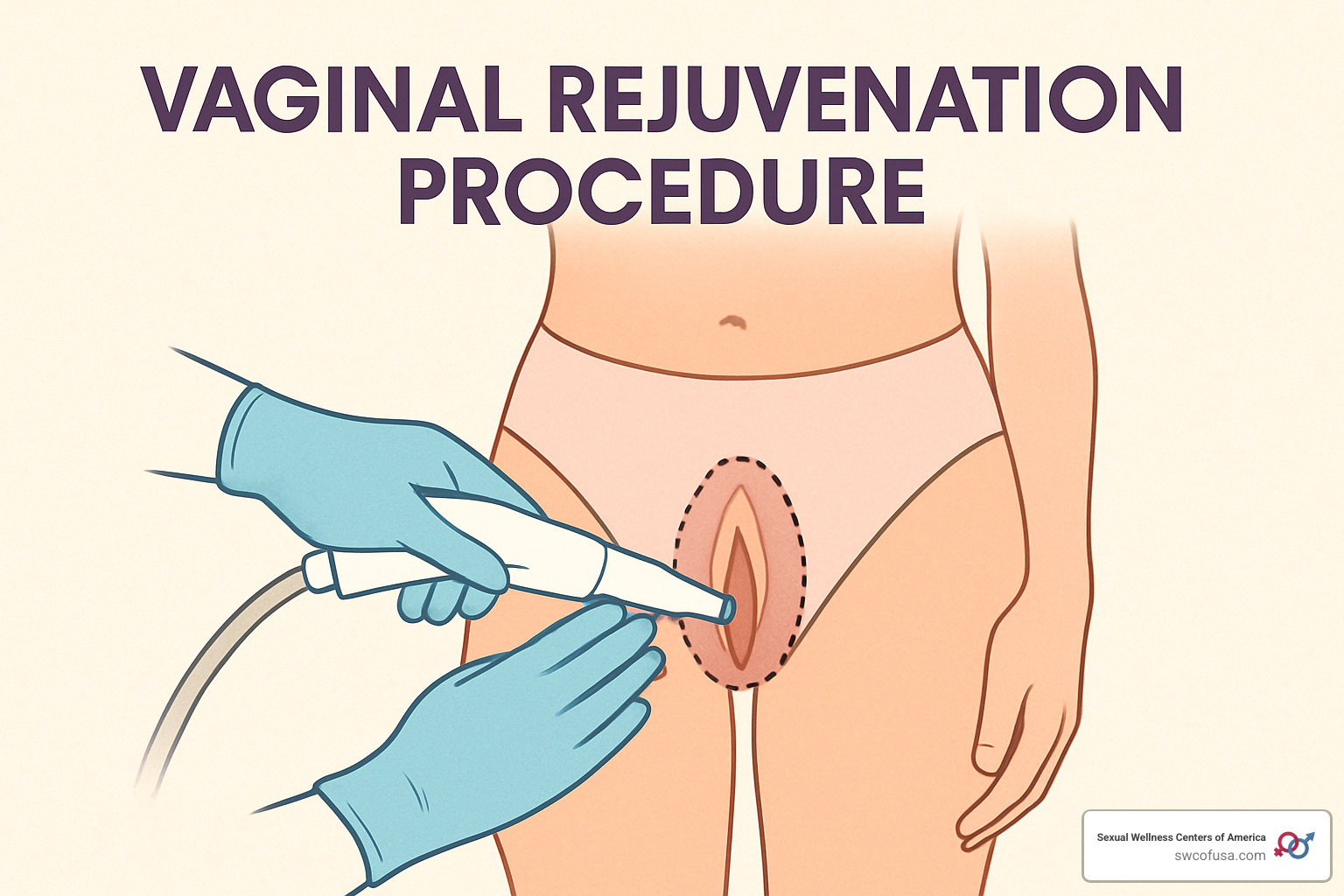
At Sexual Wellness Centers of America, we offer cutting-edge non-surgical technologies selected based on solid clinical evidence and safety profiles. Our treatments are performed by medical professionals who understand both the technical aspects and the emotional sensitivity surrounding these procedures.
One major advantage of non-surgical options is the quick return to normal life. Most women can resume regular activities, including intimate relations, within just 3-5 days after treatment—compared to several weeks with surgical approaches.
Scientific research on laser efficacy shows promising results for treating vaginal atrophy, dryness, and mild to moderate stress urinary incontinence. While individual results vary, many women report significant improvement in both comfort and confidence after these gentle treatments.
Benefits, Risks and Safety Considerations
When considering a vaginal rejuvenation procedure, it’s important to understand both the potential rewards and the possible drawbacks. This balanced perspective helps you make an informed decision that’s right for your body and lifestyle.
The good news is that satisfaction rates are remarkably high. Studies consistently show that between 83% and 90% of women report significant improvements in their sexual satisfaction following these procedures. This impressive success rate explains why vaginal rejuvenation has gained such popularity in recent years.
However, like any medical intervention, these procedures aren’t without risks. Being aware of potential complications is an essential part of your decision-making process.
In 2018, the FDA issued an important warning regarding energy-based devices (like lasers and radiofrequency technologies) marketed for vaginal rejuvenation. The warning highlighted concerns about potential adverse events and questioned whether manufacturers had adequate evidence to support certain claims. This doesn’t mean these treatments don’t work—rather, it emphasizes the importance of choosing qualified providers who use FDA-cleared devices appropriately and for their intended purposes.
“We want our patients to understand that while these procedures can be life-changing, they should be approached with realistic expectations and performed by qualified professionals,” explains Dr. Jeff Nuziard, CEO of Sexual Wellness Centers of America.
The American College of Obstetricians and Gynecologists (ACOG) has also urged caution, noting that some marketing practices may not fully represent the procedures’ limitations. They stress the importance of thorough education and setting realistic expectations.
At Sexual Wellness Centers of America, we take these warnings seriously. All our treatments are performed with FDA-cleared devices used according to their approved indications, by qualified medical professionals who prioritize your safety above all else.
Potential Benefits of a Vaginal Rejuvenation Procedure
The benefits of vaginal rejuvenation procedures extend far beyond just physical changes—they can positively impact your overall quality of life in several ways:
Improved Sexual Experience is perhaps the most commonly reported benefit. Many women experience increased friction during intercourse, greater sensitivity, and improved orgasm quality after treatment. One patient shared, “I didn’t realize how much I’d been missing until after my procedure. The difference in sensation is night and day.”
Improved Urinary Control is another significant advantage, especially for women who’ve experienced childbirth. Procedures that strengthen the pelvic floor can dramatically reduce stress urinary incontinence symptoms, eliminating those embarrassing leaks when you laugh, cough, or exercise.
Relief from Vaginal Dryness comes as a welcome benefit for many women, particularly those experiencing menopause. Certain non-surgical treatments stimulate the vaginal mucosa, improving natural lubrication and making intimacy comfortable again.
Women also report greater physical comfort in everyday activities. Reduction of enlarged or asymmetrical labia can eliminate discomfort during physical activities or when wearing tight clothing. As one patient told us, “Before my procedure, I had to plan my wardrobe carefully to avoid tight-fitting clothes that would cause discomfort. Now I can wear whatever I want without constantly being aware of my anatomy.”
Perhaps most valuable is the boost in self-confidence and body image. Addressing concerns about appearance or function often leads to improved sexual confidence and overall well-being. This psychological benefit shouldn’t be underestimated—feeling comfortable in your own body is priceless.
For more information about how these treatments can help with painful intercourse, visit our detailed guide on painful sex relief.
Possible Complications of a Vaginal Rejuvenation Procedure
While vaginal rejuvenation procedures have high satisfaction rates, understand the potential risks involved:
For surgical procedures, infection is always a possibility, though this risk is minimized with proper surgical technique and careful aftercare. Some bleeding is normal after surgery, but excessive bleeding may require medical attention.
Scarring is inevitable with surgical procedures, though skilled surgeons make every effort to minimize visible marks. Some women experience temporary or permanent changes in sensation, ranging from numbness to increased sensitivity or pain.
Dyspareunia (painful intercourse) affects some patients after surgery. While this is often temporary, it can occasionally persist longer than expected. There’s also the possibility of asymmetry or unsatisfactory aesthetic results, which might require revision surgery in some cases.
For non-surgical options, risks are generally lower but still present. Burns or tissue damage can occur with improper use of energy-based devices, highlighting the importance of choosing experienced providers. Most patients experience some temporary discomfort, redness, or swelling after treatment, though this typically resolves quickly.
It’s worth noting that non-surgical results are generally less dramatic and less long-lasting than surgical results. Some patients also notice increased vaginal discharge for a few days following treatment.
The good news is that complication rates for surgical vaginoplasty range from only 2% to 3.77%, which is considered relatively low for an elective surgical procedure. However, these statistics underscore the importance of choosing a qualified provider with specific experience in these procedures.
For the most current information on device safety, you can review the FDA safety communication regarding these procedures.
At Sexual Wellness Centers of America, we believe in transparency. During your consultation, we’ll discuss all potential risks and benefits as they relate to your specific situation, ensuring you feel confident and informed about your treatment options.
Cost, Recovery & Longevity of Results
Thinking about a vaginal rejuvenation procedure? Let’s talk about what it might cost you – not just financially, but in terms of recovery time and how long you can expect to enjoy the results.
The price tag for these procedures varies quite a bit depending on what you’re having done, where you live, your provider’s experience level, and the facility where you’ll have the procedure. Since most insurance companies consider vaginal rejuvenation cosmetic, you’ll typically be paying out-of-pocket unless you have a clear medical necessity (like reconstruction after cancer treatment or repair of significant birth injuries).
Here’s what you might expect to invest:
– Surgical options like vaginoplasty typically range from $7,500 to $12,000+ while labiaplasty runs between $4,000 and $8,000
– Non-surgical treatments using laser or radiofrequency technology usually cost $2,000 to $3,500 per session, with most women needing 2-3 initial sessions
– PRP therapy generally costs $1,500 to $2,500 per treatment
At Sexual Wellness Centers of America, we understand this represents a significant investment in your wellbeing. We offer various financing options to help make these treatments more accessible, and we’ll provide detailed cost estimates during your consultation.
When it comes to recovery, there’s a dramatic difference between surgical and non-surgical approaches:
After non-surgical treatments, most women return to normal activities immediately or within 24 hours – a major advantage for busy professionals and moms. Sexual activity can usually resume within 3-5 days.
Surgical procedures require more downtime – typically 1-2 weeks, with most women taking 5-7 days off work. Your doctor will likely ask you to wait 4-8 weeks before resuming sexual activity, or until they’ve cleared you during a follow-up visit.
As for how long your results will last, surgical results tend to be the most durable, often lasting 5+ years or even permanently (though natural aging and future childbirths can affect this). Non-surgical results typically last 9-12 months before maintenance treatments are recommended, while PRP results generally provide benefits for 12-18 months.
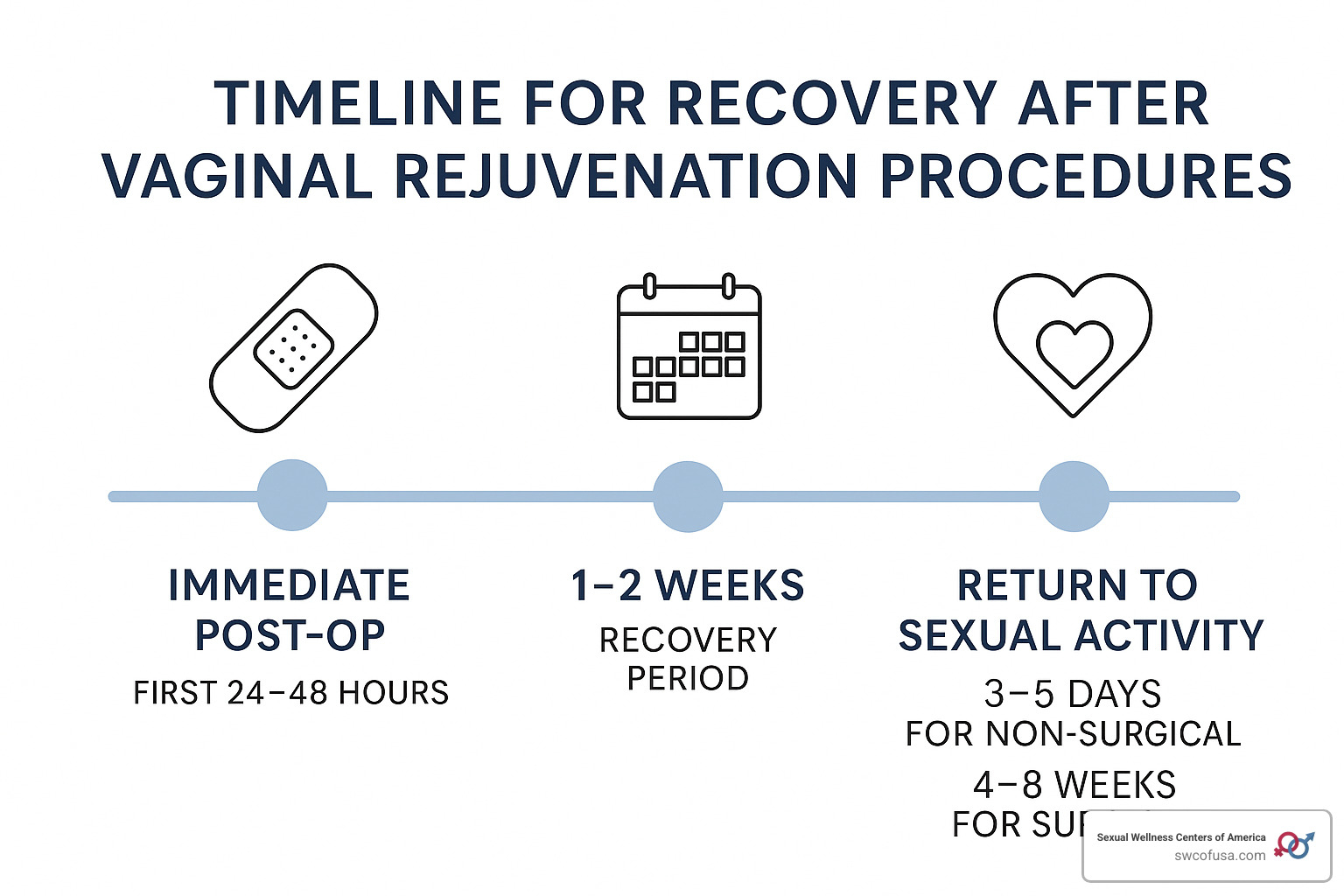
Post-op Timeline After a Vaginal Rejuvenation Procedure
If you choose a surgical vaginal rejuvenation procedure, here’s what your recovery journey might look like:
Immediate Post-Op (First 24-48 Hours)
Those first couple of days are all about rest and managing discomfort. You’ll likely have prescribed pain medications to keep you comfortable. Some light bleeding or spotting is completely normal. Your doctor will probably recommend ice packs (20 minutes on, 20 minutes off) to reduce swelling. Movement will be limited, and bed rest is generally recommended. Some vaginoplasty patients may have a catheter for up to 24 hours.
“The first two days I mostly stayed in bed with Netflix and ice packs,” shares one patient. “By day three, I was surprised at how much better I felt.”
Days 3-7
As the first week progresses, you’ll notice decreased pain and swelling. Continue using ice packs as needed and begin sitz baths or gentle cleansing of the area. Very light activity like short walks is usually permitted, but you’ll need to continue avoiding sexual activity, tampons, and anything strenuous.
Weeks 1-2
For those with desk jobs, returning to work is typically possible after 5-7 days. Your stitches may begin dissolving during this time. Continue gentle cleansing and avoid lifting anything heavier than 10 pounds. You’ll likely have a follow-up appointment with your surgeon during this period.
Weeks 3-4
By now, you should be experiencing increased comfort and noticeably decreased swelling. You can gradually resume more normal activities, but continue to avoid strenuous exercise and sexual activity unless cleared by your doctor.
Weeks 4-8
At your second follow-up appointment, if healing is progressing well, your surgeon may permit a gradual return to exercise and sexual activity. Most swelling and discomfort should be resolved by this point.
3-6 Months
This is when your final results become fully apparent as all residual swelling resolves. Scars continue to fade, and you should be able to fully resume all activities.
Non-surgical procedures offer a much quicker bounce-back, with most patients resuming normal activities immediately or within 24 hours, and intimate activities within 3-5 days.
Factors That Influence Longevity
Several factors can affect how long your vaginal rejuvenation procedure results will last:
The type of procedure you choose makes a huge difference. Surgical procedures generally provide longer-lasting results than non-surgical options. Labiaplasty results are often permanent, while vaginoplasty may require revision after 5-10 years.
Having children after treatment is perhaps the most significant factor. Vaginal childbirth after a rejuvenation procedure can dramatically impact results, potentially requiring a repeat procedure down the road.
The natural aging process continues regardless of treatment, affecting tissue elasticity and strength over time. Similarly, hormonal changes during menopause can affect vaginal tissues, potentially diminishing previous rejuvenation results.
For non-surgical procedures, regular maintenance treatments (typically annual) can significantly extend your results. “I’ve maintained my results for over three years now by following my doctor’s recommendations for Kegel exercises and having an annual ‘touch-up’ treatment,” shares one patient. “The investment in maintenance has been well worth it.”
Lifestyle factors also play a role. Maintaining a healthy weight, not smoking, and performing regular Kegel exercises can help preserve your results. While normal sexual activity shouldn’t affect results, very frequent or rough intercourse might potentially impact longevity.
At Sexual Wellness Centers of America, we recommend a holistic approach to maintaining results, including regular Kegel exercises, hormone optimization when appropriate, healthy lifestyle choices, scheduled maintenance treatments for non-surgical procedures, and annual check-ups to monitor results and address any concerns early.
Choosing a Provider & Evidence-Based Alternatives
Finding the right healthcare professional for your vaginal rejuvenation procedure is perhaps the most important step in your journey. After all, their expertise will directly impact both your safety and satisfaction with the results.
When I talk with patients at Sexual Wellness Centers of America, I always emphasize that provider selection shouldn’t be rushed. Your body deserves the best care possible, especially for such an intimate procedure.
The most qualified providers are typically board-certified in gynecology, urogynecology, or plastic surgery with specific training in female genital procedures. Don’t hesitate to ask how many similar procedures they’ve performed – experience matters tremendously in this field. Generally speaking, surgeons who regularly perform these procedures tend to achieve better outcomes.
Always request to see before and after photos of previous patients (shared with appropriate consent, of course). These images offer valuable insights into the provider’s skill and aesthetic approach. Similarly, ensure any procedure will take place in an accredited facility that meets rigorous safety standards.
While online reviews aren’t scientific evidence, they can provide helpful glimpses into others’ experiences. Did patients feel comfortable? Was communication clear? Were their expectations managed appropriately?
“I interviewed three different doctors before making my decision,” shared one of our patients. “What made the difference was how thoroughly my questions were answered and never feeling rushed during consultations.”
At Sexual Wellness Centers of America, our specialists have undergone extensive training in the latest rejuvenation techniques. We believe in creating personalized treatment plans rather than one-size-fits-all approaches.
Evidence-Based Alternatives
Not everyone needs or is ready for a formal vaginal rejuvenation procedure. Several evidence-supported alternatives exist that might address your concerns:
Pelvic Floor Physical Therapy can work wonders for many women. These specialized therapists teach techniques to strengthen pelvic floor muscles, improving both vaginal tone and bladder control. Many women are surprised by how effective dedicated physical therapy can be for addressing mild to moderate concerns.
Kegel exercises and devices designed to guide these movements can significantly improve vaginal muscle tone when practiced consistently. The key is proper technique – many women unknowingly perform Kegels incorrectly, which limits their effectiveness.
For menopausal women, Hormone Replacement Therapy (HRT) often dramatically improves vaginal tissue health, elasticity, and natural lubrication. Even localized estrogen treatments can make a substantial difference without systemic effects.
Quality vaginal moisturizers and lubricants can effectively manage dryness and discomfort during intimacy. These over-the-counter options come in various formulations to suit different needs and sensitivities.
Simple lifestyle modifications like maintaining healthy weight, quitting smoking, and staying physically active all contribute to better pelvic floor health and sexual wellness.
More info about vaginal dryness signs
When consulting with potential providers, bring these seven essential questions to your appointment:
- What are your credentials and specific experience with this procedure?
- How many of these procedures have you performed?
- What realistic outcomes can I expect for my specific situation?
- What potential risks and complications should I be aware of?
- What’s the complete cost, including any follow-up care?
- What will recovery involve, and what restrictions will I have?
- Can I see before and after photos of patients with concerns similar to mine?
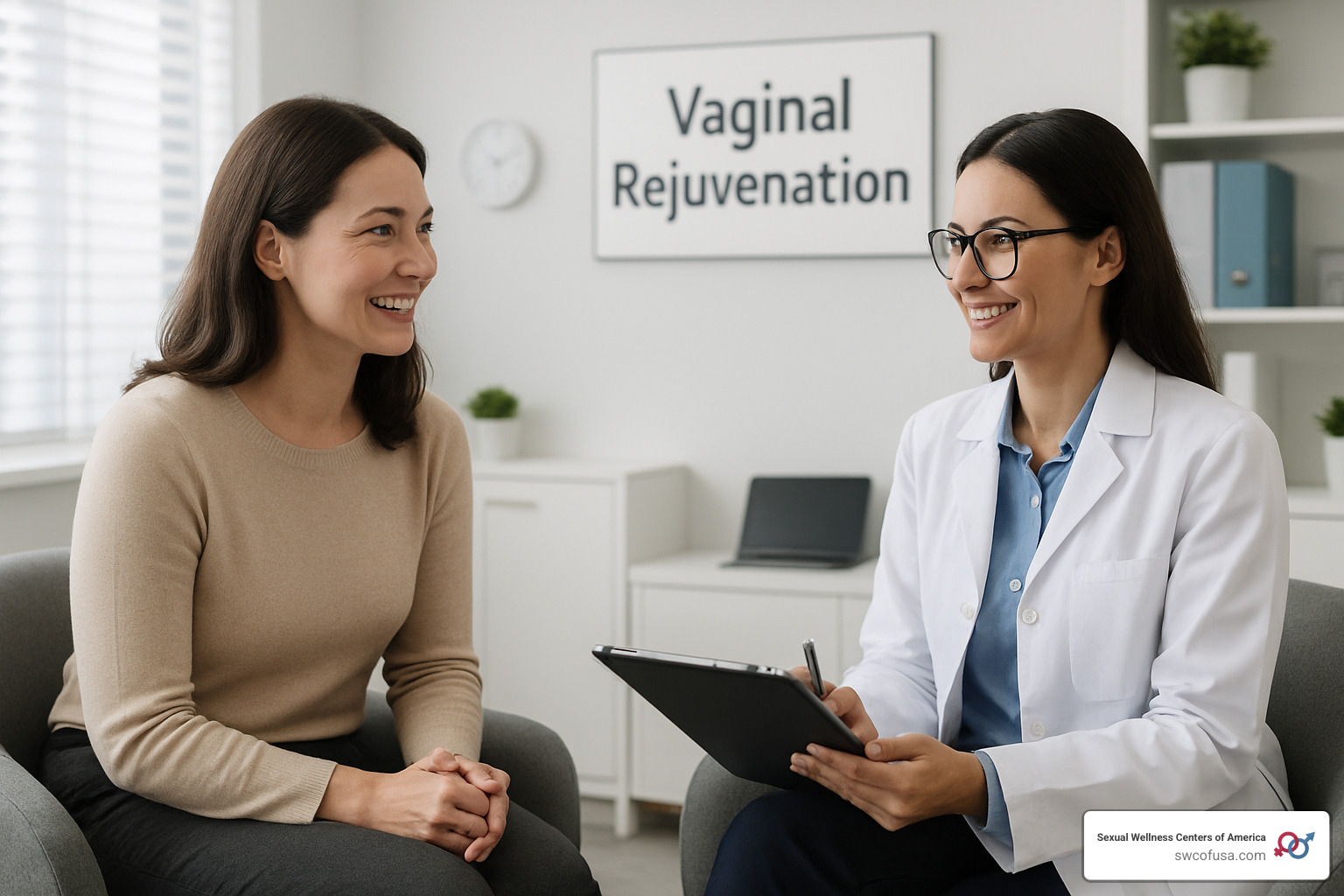
There’s no rush to make this decision. At Sexual Wellness Centers of America in Colleyville, we encourage women to explore all options and ask questions until they feel completely comfortable moving forward with any treatment plan.
Frequently Asked Questions about the Vaginal Rejuvenation Procedure
Will the vaginal rejuvenation procedure affect childbirth later?
Family planning is a crucial consideration when thinking about a vaginal rejuvenation procedure. If you’re hoping to have children in the future, you should know that surgical procedures like vaginoplasty could potentially complicate vaginal deliveries down the road. Not only that, but a vaginal birth will likely undo much of what the procedure accomplished.
“I always have a heart-to-heart conversation with my younger patients about their family plans,” says Dr. Nuziard of Sexual Wellness Centers of America. “It’s important to time these procedures appropriately in your life journey.”
For women who still want children, we typically recommend:
Waiting until after you’ve completed your family before pursuing surgical options
Exploring non-surgical treatments as temporary measures in the meantime
Having a conversation with your obstetrician about delivery options if you’ve already had rejuvenation surgery
Should you become pregnant after having a vaginal rejuvenation procedure, be sure to inform your prenatal care team about your surgical history. Many women choose to have a revision procedure after completing childbearing if they want to restore their previous results.
The good news? Non-surgical approaches have zero impact on future pregnancies or deliveries and can be safely repeated after you’ve had children.
How soon can I exercise after the vaginal rejuvenation procedure?
Getting back to your fitness routine is probably high on your priority list, but timing matters. The recovery timeline varies dramatically depending on whether you’ve had a surgical or non-surgical procedure.
After non-surgical treatments, your return to activity can be surprisingly quick. Many of our patients are back to gentle walking immediately, low-impact exercises like using an elliptical within 2-3 days, and swimming within a week (once any discharge has stopped). Even high-impact activities like running or jumping can usually resume within 5-7 days.
The surgical recovery journey takes considerably more patience. While we encourage light walking from day one to promote circulation, most other activities need to wait. Low-impact exercise might be possible after 2-3 weeks with your surgeon’s blessing, but swimming requires fully healed incisions (typically 4-6 weeks). High-impact workouts and weight training generally need a full 6-8 week recovery period.
“I tell my patients to listen to their bodies,” explains Dr. Nuziard. “Just because the calendar says you’re cleared for an activity doesn’t mean you should push through pain or discomfort.”
One patient shared her experience: “I was pleasantly surprised that I could return to my daily walks just a day after my laser treatment. My yoga practice took a bit longer—I modified poses for about a week before feeling completely comfortable again.”
These are general guidelines. Your unique healing journey may progress faster or slower based on your specific procedure and how your body heals.
Is the vaginal rejuvenation procedure covered by health insurance?
The question of insurance coverage often comes down to one critical distinction: is your vaginal rejuvenation procedure considered medically necessary or purely cosmetic?
Most insurance companies won’t cover procedures done primarily to improve appearance or sexual satisfaction. This typically includes non-surgical treatments like laser or radiofrequency therapies and cosmetic labiaplasty performed solely for aesthetic reasons.
However, there are exceptions. Insurance might cover your procedure if it addresses:
– Reconstruction following cancer treatment
– Significant birth injuries requiring repair
– Functional problems caused by pelvic organ prolapse
– Congenital abnormalities
– Physical discomfort from elongated labia that interferes with daily activities
“One of our patients had documented her history of recurrent infections and pain during physical activities due to her labial anatomy,” shares Dr. Nuziard. “With proper documentation from her primary care doctor, we were able to help her get partial coverage for her labiaplasty.”
If you’re hoping for insurance coverage, start by asking our team for the specific CPT codes for your planned procedure. Then contact your insurance provider directly with these codes to inquire about potential coverage. Always get coverage information in writing if possible, and ask about pre-authorization requirements.
At Sexual Wellness Centers of America, our patient care coordinators can help steer these sometimes confusing insurance waters. For procedures not covered by insurance, we offer several financing options to help make treatment more accessible.
Worth noting: even when procedures aren’t fully covered by insurance, you might be able to use funds from your Health Savings Account (HSA) or Flexible Spending Account (FSA) for medically necessary treatments. This can make a significant difference in affordability for many women.
Conclusion
As we’ve explored throughout this guide, vaginal rejuvenation procedures encompass a wide range of options designed to address both functional and aesthetic concerns. From surgical interventions like vaginoplasty and labiaplasty to non-invasive treatments using laser and radiofrequency technologies, these procedures have helped countless women regain comfort, confidence, and improved quality of life.
The satisfaction rates speak volumes—with studies showing 83% to 90% of patients reporting improved sexual satisfaction after treatment. It’s no wonder these procedures continue to grow in popularity. However, approach this journey with eyes wide open, understanding both the potential benefits and considerations.
Your personal goals should always come first. The perfect procedure for your best friend might not be the right choice for you. Take time to reflect on what you truly want to achieve, whether that’s addressing physical discomfort, improving intimate experiences, or boosting your confidence.
The provider you choose makes all the difference in your experience and results. Don’t hesitate to ask about credentials, experience, and before-and-after photos. A qualified professional won’t be offended by these questions—they’ll welcome them as signs of an informed patient.
Many women find success starting with non-invasive options before considering surgery. These treatments offer minimal downtime and can provide significant improvement with less risk. As one patient told us, “I was amazed at how much difference the laser treatment made, and I was back to my normal routine the very next day.”
Beyond the financial investment, consider the time needed for recovery and the potential for maintenance treatments down the road. Being realistic about these aspects helps ensure you’ll be satisfied with your decision in the long run.
Sometimes, alternatives like pelvic floor physical therapy or hormone treatments might effectively address your concerns without more invasive procedures. These options are worth exploring during your consultation.
At Sexual Wellness Centers of America in Colleyville, TX, we specialize in providing personalized care for women seeking vaginal rejuvenation. Our approach begins with comprehensive consultation and may include hormone and vitamin panels to ensure your treatment plan addresses all factors contributing to your concerns.
We understand that discussing intimate health concerns can feel vulnerable. Our team is committed to creating a comfortable, judgment-free environment where you can openly discuss your goals. We believe in providing the information you need to make confident decisions about your body and health.
More info about Colleyville services
Whether you’re experiencing changes due to childbirth, menopause, or simply the natural aging process, please know you’re not alone. Effective solutions are available, and the first step is simply a conversation with a qualified provider who can guide you through your options with compassion and expertise.