
Why Collagen Peptides Hair Regrowth Has Everyone Talking
Collagen peptides hair regrowth is gaining attention as a potential solution for thinning hair, but does the science actually support the hype? Here’s what you need to know:
- The Evidence: Studies show collagen peptides can increase hair follicle cell proliferation by up to 113.98% and extend the hair growth phase
- How It Works: Collagen provides amino acids needed for keratin production and activates key growth pathways like Wnt/beta-catenin signaling
- Realistic Expectations: While promising, collagen peptides support hair health rather than cure pattern baldness
- Timeline: Results typically take 3-6 months of consistent daily use (2.5-15 grams)
- Safety: Generally recognized as safe with minimal side effects
The appeal is understandable. About 80% of men and 50% of women experience significant hair loss during their lives, and many hair loss products are “long on promises and short on results.” But collagen peptides offer something different – they work from the inside out by providing the building blocks your hair follicles need to function optimally.
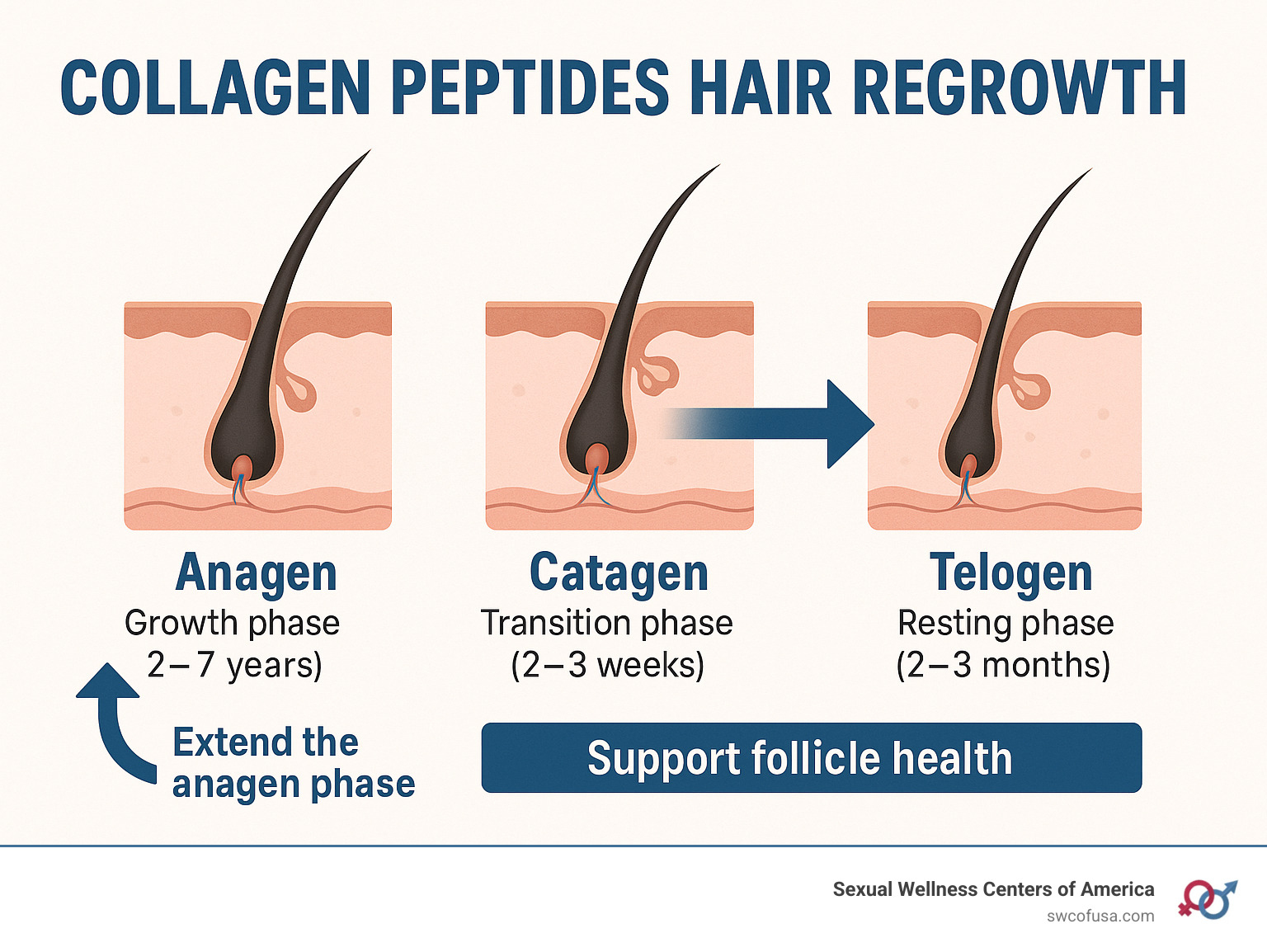
Recent research reveals that collagen peptides don’t just randomly boost hair growth. They specifically target dermal papilla cells, which are crucial for hair follicle development. Studies using both marine and bovine collagen peptides show they can prolong the anagen (growth) phase of hair and maintain hair follicle stem cell health.
What makes this particularly interesting is that 97.8% of customers who mentioned hair growth in product reviews reported positive effects from collagen powder supplementation. While customer reviews aren’t clinical trials, this level of satisfaction suggests real-world benefits.
As Jeff Nuziard, CEO of Sexual Wellness Centers of America, I’ve seen how addressing underlying nutritional and hormonal factors can dramatically improve hair health outcomes. My experience with peptide therapies and regenerative wellness has shown me that collagen peptides hair regrowth represents just one piece of a comprehensive approach to healthy aging.
Handy collagen peptides hair regrowth terms:
What is Collagen and Why Does Your Hair Need It?
Think of collagen as your body’s natural scaffolding system. It’s the most abundant protein we have, making up about 30% of all our protein content. This powerhouse protein provides the structural foundation for everything from our bones and muscles to our skin, nails, and yes, our hair.
Now, here’s where it gets interesting for collagen peptides hair regrowth. While your hair strands are primarily made of keratin, collagen plays a crucial behind-the-scenes role in creating the perfect environment for hair growth. It’s like having a well-maintained garden: the soil (your scalp and dermis) needs to be healthy for the plants (your hair) to flourish.
Collagen is packed with specific amino acids that your hair follicles absolutely love. These building blocks don’t just maintain the structural integrity of your scalp; they also provide the raw materials needed for keratin production. When you consume collagen peptides, you’re essentially giving your body a premium toolkit for building stronger, more resilient hair.
But collagen doesn’t stop there. It also acts as your hair’s personal bodyguard, thanks to its antioxidant properties. Free radicals, those unstable molecules that love to wreak havoc on your cells, can damage hair follicles and contribute to thinning. Collagen helps neutralize these troublemakers, protecting your precious hair follicles from oxidative stress.
The result? Hair that’s not only stronger and more elastic but also less prone to breakage. It’s like upgrading from brittle spaghetti to flexible rubber bands; your hair becomes more resilient and better able to withstand daily styling and environmental stressors.
The Building Blocks of Hair
Let’s dive deeper into the science behind why collagen peptides hair regrowth works so effectively. Your hair’s main structural protein is keratin, but keratin doesn’t just appear out of thin air. It needs specific amino acids to form properly, and collagen is rich in exactly the right ones.
Proline and glycine are the star players here. When you consume collagen peptides, your digestive system breaks them down into these individual amino acids. Your hair follicles then use these building blocks to construct strong, healthy keratin. It’s like having a construction crew with all the right materials to build a sturdy house.
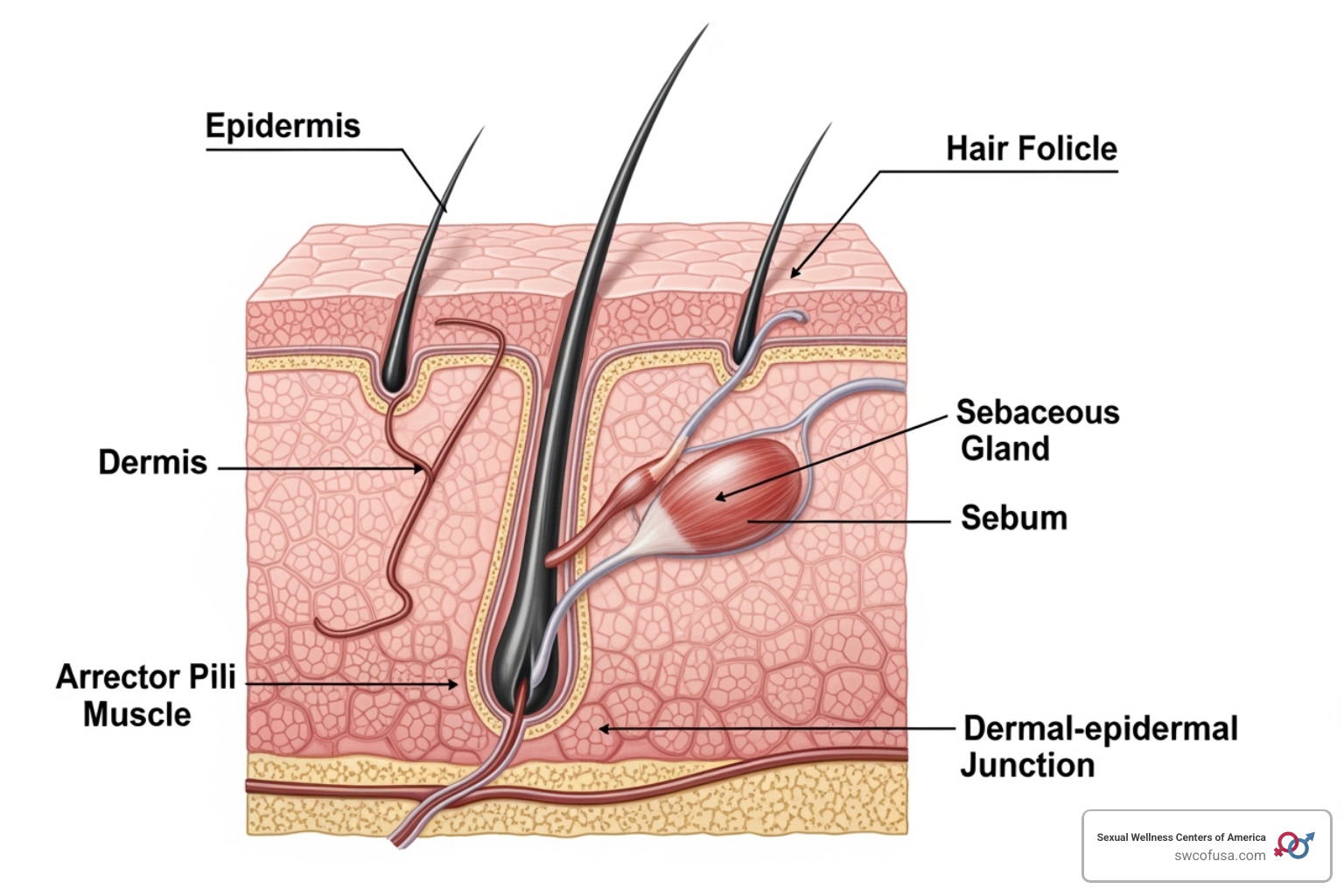
The dermal papilla cells at the base of your hair follicles are particularly important in this process. These cells are like the foremen of your hair construction site, as they regulate the entire hair growth cycle and coordinate with other cells to produce hair. Collagen provides the structural support these follicles need to function at their best.
Think of it this way: if your hair follicles are trying to build a skyscraper (your hair), they need a solid foundation and quality materials. Collagen provides both the foundation (structural support) and the raw materials (amino acids) needed for the job.
When your body doesn’t have enough of these essential amino acids, it’s like trying to build that skyscraper with subpar materials. The result? Hair that’s weak, brittle, and prone to falling out. By ensuring your body has an ample supply of collagen-derived amino acids, you’re setting up your hair follicles for success.
Collagen’s Role in Protecting the Hair Follicle
Your scalp isn’t just a simple piece of skin; it’s a complex ecosystem that needs to be in perfect balance for optimal hair growth. The dermis, that thick middle layer of your scalp, is where all the magic happens. This is where your hair follicles live, and collagen makes up about 70% of this crucial layer.
Picture collagen as the neighborhood infrastructure for your hair follicles. It creates a supportive network that houses not just the follicles themselves, but also the blood vessels that deliver essential nutrients. A healthy, collagen-rich dermis means your hair follicles get the VIP treatment they deserve.
Here’s the catch: as we age, our natural collagen production starts to decline. This gradual weakening of the dermal structure can negatively impact hair follicles, contributing to age-related hair thinning and increased shedding. It’s like watching a well-maintained neighborhood slowly deteriorate: the infrastructure gets weaker, and everything else suffers as a result.
This is where collagen supplementation becomes a game-changer. By replenishing your body’s collagen stores, you’re essentially renovating that neighborhood infrastructure. You’re giving your hair follicles a stronger, more supportive environment to thrive in.
Collagen also acts as a protective shield against oxidative stress. These harmful free radicals can damage the delicate cells within your hair follicles, leading to premature hair loss and aging. Collagen’s antioxidant properties help neutralize these cellular troublemakers, keeping your follicles healthy and functioning optimally.
Some research even suggests that collagen may help protect the cells responsible for hair pigment production, potentially playing a role in delaying premature graying. While we can’t promise you’ll never find a gray hair, maintaining healthy collagen levels certainly supports overall follicle health.
For a deeper understanding of how collagen functions throughout your body, you can explore this scientific overview of collagen’s function.
The Science Behind Collagen Peptides Hair Regrowth
The idea that collagen peptides hair regrowth can actually work might sound too good to be true, but scientific research is revealing fascinating mechanisms at play. Understanding how this works starts with grasping the natural hair growth cycle – your hair moves through three distinct phases: anagen (the active growth phase), catagen (a brief transition), and telogen (the resting phase before shedding).
Here’s where it gets interesting: the longer your hair stays in that anagen growth phase, the longer and stronger it can grow. When hair spends too much time in telogen or sheds prematurely, you end up with thinning hair. It’s like having a garden where plants keep going dormant instead of growing.
Recent studies suggest that collagen peptides can actually influence this cycle in your favor. Research conducted on human hair follicles grown in laboratory conditions shows that collagen peptides can prolong the growth phase while maintaining healthy hair follicle stem cells. These stem cells are like your hair’s backup crew – they need to stay ready to jump into action when it’s time to grow new hair.
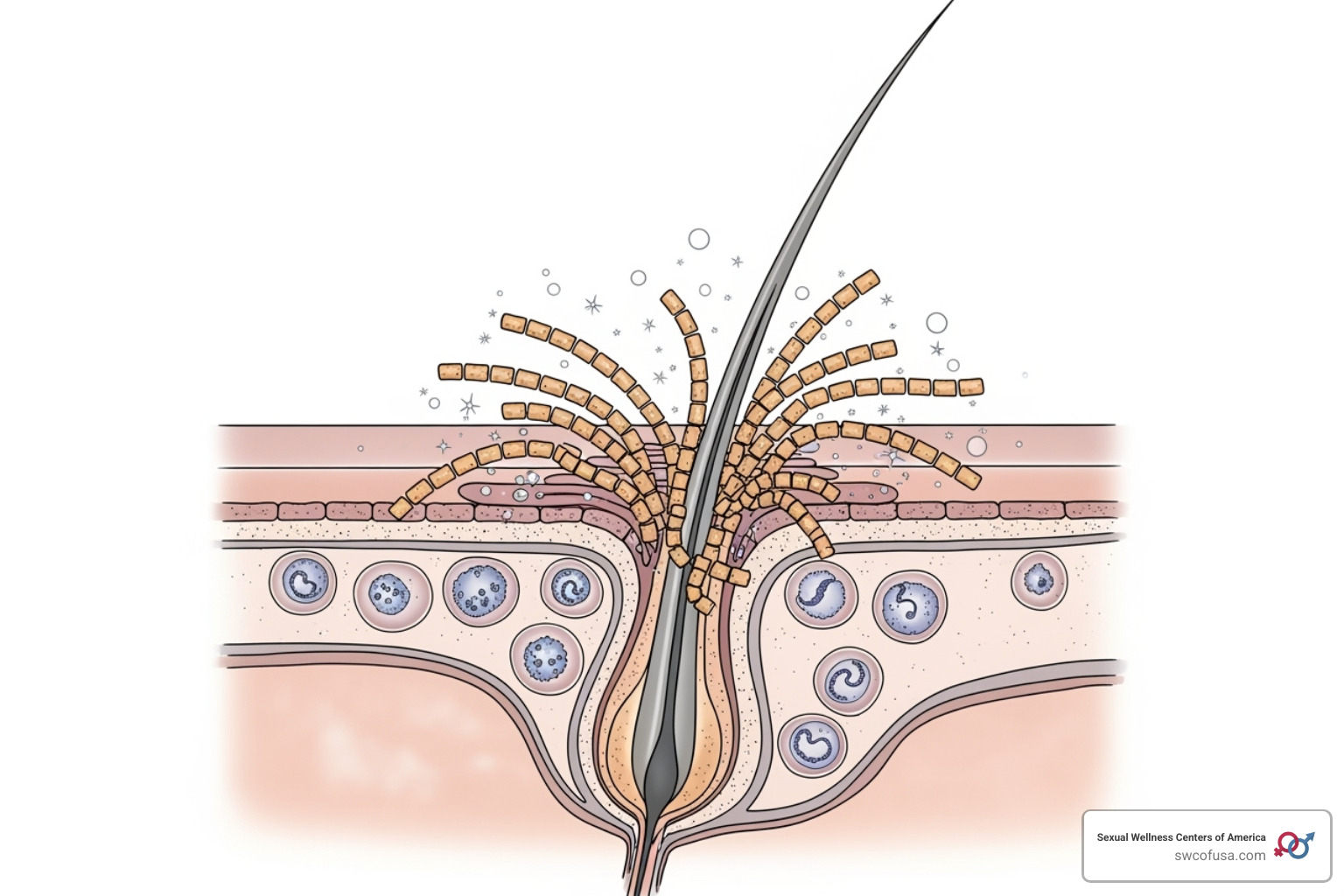
What’s particularly exciting is that collagen peptides don’t just passively support hair growth. They actively stimulate the dermal papilla cells, which are essentially the command center for hair growth. These cells are crucial for initiating and maintaining that all-important anagen phase. By boosting their activity, collagen peptides offer a promising pathway for supporting hair health from the inside out.
Understanding the Evidence for Collagen Peptides Hair Regrowth
While the field of collagen peptides hair regrowth is still evolving, the existing evidence paints a compelling picture. The research comes from multiple angles, each adding pieces to the puzzle.
Starting with real-world feedback, a remarkable 97.8% of customers who mentioned hair growth in their reviews reported positive effects from collagen powder supplementation. That’s 868 out of 887 people experiencing noticeable improvements. While customer reviews aren’t clinical trials, this level of satisfaction suggests genuine benefits that people can actually feel and see.
Laboratory studies on human cells provide the scientific backbone for these experiences. When researchers tested fish collagen peptides on human dermal papilla cells – the cells that control hair growth – they found something remarkable. At a concentration of 62.5 ppm, the collagen peptides improved cell proliferation by 113.98% compared to untreated cells. This means the cells responsible for hair growth became significantly more active.
Even more impressive, when human hair follicles were treated with collagen peptides in controlled laboratory conditions, researchers observed promotion of hair shaft elongation and induction of new hair growth. This suggests that collagen peptides don’t just support existing hair – they may help generate new growth.
Animal studies have provided additional strong evidence. Research on mice showed that oral collagen peptides can significantly promote the transition from resting phase to growth phase while extending how long hair stays in the active growth phase. This led to accelerated hair growth, improved thickness, and even better amino acid content in the hair itself, contributing to overall quality and reduced roughness.
In one particularly interesting study, the hair-growth-promoting effect of collagen peptides was comparable to finasteride, a well-known pharmaceutical hair growth treatment. This suggests that collagen peptides hair regrowth might offer significant benefits through natural mechanisms.
You can explore further research insights, including studies on marine complex supplements for hair growth, to dive deeper into the scientific foundation.
Key Biological Mechanisms at Play
So how exactly do collagen peptides work their magic on your hair? It’s not just about providing raw materials – they actually influence the intricate signaling pathways that govern hair growth. Think of these pathways as the communication network that tells your hair follicles when to grow, rest, or shed.
The Wnt/beta-catenin signaling pathway acts like the master conductor of hair follicle development. This pathway is crucial for initiating hair growth, maintaining the anagen phase, and stimulating hair follicle stem cells. Research shows that collagen peptides can activate this pathway, encouraging hair follicles to enter and stay in their growth phase. The result? Accelerated hair growth and thicker hair.
On the flip side, the BMP (Bone Morphogenetic Protein) signaling pathway acts like the brakes on hair growth. This pathway can inhibit hair follicle growth and even arrest follicles in the resting phase. Studies demonstrate that collagen peptides can suppress this inhibitory pathway, essentially removing the brakes and allowing follicles to cycle more effectively.
Beyond these major pathways, collagen peptides boost the expression of various growth factors that are essential for nurturing hair follicles. VEGF (Vascular Endothelial Growth Factor) improves blood supply to hair follicles, ensuring they receive ample nutrients and oxygen. Studies show that fish collagen peptides increased VEGF expression by 1.3 times compared to control groups.
IGF-1 (Insulin-like Growth Factor 1) acts as a powerful stimulator of hair follicle growth and proliferation. Collagen peptides have been shown to upregulate IGF-1, contributing to stronger, healthier hair. Research also indicates that collagen peptides can stimulate other important growth factors while simultaneously downregulating inhibitory factors like TGF-beta1.
This creates a synergistic effect – activating pro-growth pathways, suppressing inhibitory ones, and boosting critical growth factors. This multi-pronged approach explains why collagen peptides hair regrowth can be so effective at the cellular level.
For more detailed information on how collagen peptides influence these pathways, you can refer to this study on fish collagen peptides and signaling pathways.
Can Collagen Help with Androgenetic Alopecia?
This is probably the most important question for many people dealing with hair loss. Androgenetic alopecia – commonly known as male pattern baldness or female pattern hair loss – is primarily a genetic condition influenced by hormones, particularly DHT (dihydrotestosterone). It’s the most common cause of hair loss, affecting millions of people worldwide.
Let’s be honest about what collagen peptides hair regrowth can and can’t do. Collagen peptides are not typically considered a direct cure for androgenetic alopecia. They don’t block DHT or directly alter the genetic predisposition to hair loss in the same way that pharmaceutical treatments might.
However, that doesn’t mean collagen is useless for people with this condition. It can still play a valuable supporting role in several ways.
Supporting follicle health is perhaps the most important benefit. Even in androgenetic alopecia, maintaining the health of existing hair follicles is crucial. Collagen provides essential amino acids and supports the dermal structure around the follicles, helping them function optimally for as long as possible. A healthier follicle environment might lead to thicker, stronger strands from the follicles that are still active.
Collagen peptides may also help with reducing excessive shedding associated with aging or patterned hair loss. While it won’t reverse genetic balding, it might help slow the rate of hair loss or improve the quality of the hair that does grow.
Perhaps most importantly, collagen peptides work best as part of a complementary approach. They can be a valuable addition to a comprehensive hair care regimen, especially when combined with other treatments or lifestyle changes. They help address nutritional gaps and support the body’s natural processes, which can only benefit overall hair health.
While collagen peptides hair regrowth shows immense promise for improving hair quality, promoting growth in general, and reducing shedding, it’s important to have realistic expectations for persistent genetic conditions like male pattern baldness. It’s more about supporting the health and vitality of your existing hair than offering a standalone cure for complex genetic predispositions.
For personalized advice on conditions like androgenetic alopecia, especially when considering advanced treatments like regenMAX® peptide therapy, consulting with a specialist is always recommended.
A Practical Guide to Using Collagen for Hair Health
Ready to explore how collagen peptides hair regrowth can work for you? The good news is that incorporating collagen into your daily routine is surprisingly straightforward. But with so many options on the market, knowing how to choose the right type and use it effectively can make all the difference in your results.
The key to understanding collagen supplements lies in the term “hydrolyzed collagen” or “collagen peptides.” These are essentially collagen proteins that have been broken down into smaller, more digestible pieces through a process called hydrolysis. Think of it like cutting a long chain into smaller, manageable links.
Why does this matter? Regular collagen molecules are simply too large for your body to absorb efficiently. But when they’re broken down into peptides, these beneficial amino acids can easily enter your bloodstream and travel to where they’re needed most – including your hair follicles.
Choosing the Right Type of Collagen
Walking into a supplement store can feel overwhelming with all the collagen options available. Let’s break down what you need to know to make the best choice for your hair health.
Marine collagen comes from fish skin and scales and is primarily Type I collagen. This type has earned particular praise for hair growth because it’s rich in proline, a key building block of keratin. Research shows that marine collagen has excellent bioavailability, meaning your body can absorb and use it more efficiently. Studies specifically highlight marine collagen’s ability to keep hair follicles in their growth phase longer.
Bovine collagen, sourced from cow hides, bones, and cartilage, provides both Type I and Type III collagen. These are the most abundant types in your body and play crucial roles in skin, hair, nail, and bone health. Many popular collagen powders use bovine sources, and research confirms that bovine collagen peptides can support hair follicle stem cell health and improve hair growth.
Chicken collagen tends to be richer in Type II collagen, which is fantastic for joint health but less directly beneficial for hair compared to Types I and III.
For collagen peptides hair regrowth, both marine and bovine sources (focusing on Type I and Type III) show the most promise. Marine collagen often gets the edge for its superior absorption, while bovine collagen offers a broader amino acid profile and is typically more budget-friendly.
How to Use Collagen Peptides for Hair Regrowth
Once you’ve chosen your collagen source, the next step is incorporating it into your daily routine in a way that actually works. Consistency truly is the secret sauce here – hair growth cycles take time, and sporadic use won’t give you the results you’re looking for.
Dosage matters, and research suggests that 2.5-15 grams of hydrolyzed collagen peptides daily is both safe and effective for hair growth. For marine collagen specifically, many experts recommend 5-10 grams per day for optimal results. Always check your product’s label for specific recommendations, as concentrations can vary.
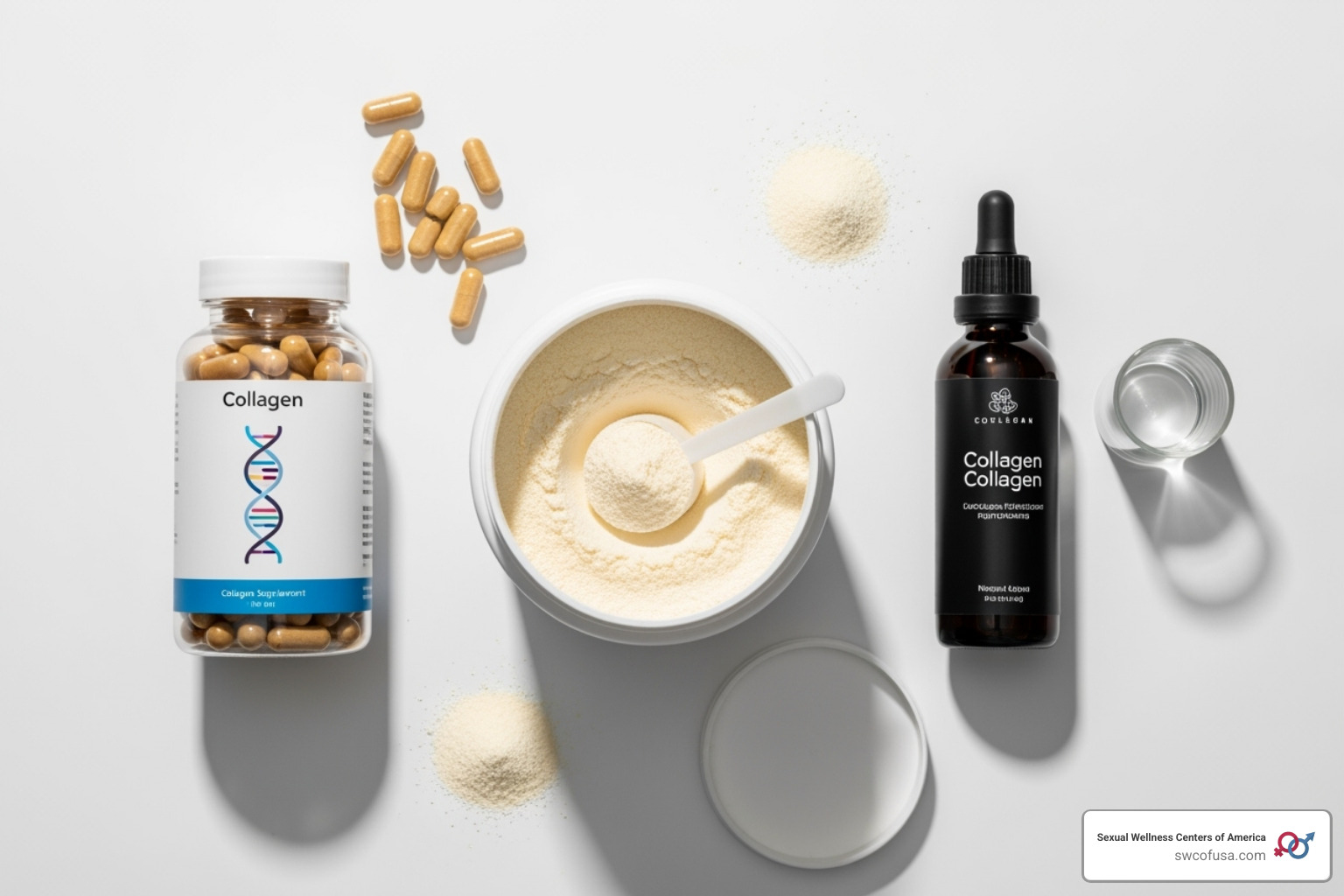
Powders are often the most popular and versatile option. They’re typically unflavored and mix easily into almost anything. Capsules offer convenience for busy lifestyles or travel, while liquid shots provide pre-measured doses but often come with a higher price tag.
The beauty of collagen powder lies in how seamlessly it fits into your existing routine. Many people find success mixing it into their morning coffee – it dissolves beautifully in hot liquids and won’t change the taste. Smoothies are another popular choice, masking any texture concerns while providing additional nutrients.
You can also blend collagen into soups, stews, or sauces during cooking. The heat won’t damage the peptides, and you’ll never know it’s there. Some people even add it to baked goods, though this requires a bit more experimentation with recipes.
The key is finding a method that feels natural to you. As many successful users say, “Take it daily for the things you do daily.” When collagen becomes as routine as brushing your teeth, you’re much more likely to see the hair benefits you’re seeking.
Collagen vs. Biotin: Which is Better for Hair?
If you’ve researched hair growth supplements, you’ve probably encountered both collagen and biotin. While both are popular choices, they work in fundamentally different ways to support your hair health.
Collagen peptides provide the actual building blocks your hair needs. They supply amino acids like proline and glycine that your body uses to create keratin, the primary protein in hair. Think of collagen as providing the raw materials for construction. It also supports the scalp environment where hair grows, acting as both the foundation and the building supplies.
Biotin, also known as Vitamin B7, works more like a helper enzyme. It doesn’t directly become part of your hair structure but rather assists in the chemical processes that create keratin. Biotin deficiency can definitely cause hair problems, but if you’re already getting enough biotin from your diet, extra supplementation may not provide dramatic benefits.
Here’s what makes this interesting: collagen and biotin can work beautifully together. Collagen provides the structural support and raw materials, while biotin helps optimize the processes that use those materials. Many people find that combining both supplements gives them better results than using either alone.
However, if you had to choose just one, collagen often provides more comprehensive benefits. It supports not just hair growth but also skin health, nail strength, and the overall scalp environment. Biotin is more targeted specifically to the metabolic processes of hair creation.
Are There Any Risks or Side Effects?
The safety profile of collagen supplements is reassuringly positive. Collagen peptides are generally recognized as safe (GRAS) by health authorities, and most people tolerate them extremely well.
The most common side effects are mild digestive issues, particularly when first starting supplementation. Some people experience feelings of fullness or mild heartburn, especially if they take large doses on an empty stomach. These effects usually resolve within a few days as your body adjusts.
Food allergies are the main concern to watch for. If you have a shellfish allergy, avoid marine collagen products. Similarly, those with beef allergies should skip bovine collagen. Always read labels carefully and consult with a healthcare provider if you have multiple food allergies.
Starting with a smaller dose and gradually increasing it can help minimize any digestive discomfort. Taking collagen with food rather than on an empty stomach also tends to improve tolerance.
For most people, the benefits of collagen peptides hair regrowth far outweigh the minimal risks. The safety profile is so favorable that many healthcare providers are comfortable recommending collagen supplements as part of a comprehensive approach to healthy aging and wellness.
For more detailed information on supplement safety, you can explore information on supplement safety.