
Finding Your Path to Sustainable Weight Loss
Weight loss clinics offer medically supervised programs that combine prescription medications, nutritional guidance, and behavioral support to help patients achieve significant, sustainable weight loss. Here’s what you need to know about choosing the right clinic:
What to Look for in a Weight Loss Clinic:
– Medical Supervision: Board-certified physicians or obesity medicine specialists
– Comprehensive Approach: Combination of medication, nutrition, exercise, and behavioral therapy
– Personalized Plans: Custom to your specific health needs and weight loss goals
– Evidence-Based Treatments: FDA-approved medications like GLP-1 agonists when appropriate
– Ongoing Support: Regular check-ins and long-term maintenance strategies
Starting on a weight loss journey can feel overwhelming, especially when you’ve tried multiple diets without lasting success. Many people don’t realize that weight management is complex, influenced by hormones, metabolism, genetics, and psychological factors that often require professional intervention.
A quality weight loss clinic differs from standard diet programs by addressing these underlying factors through medical expertise and personalized care. Rather than offering a one-size-fits-all approach, clinics provide science-backed treatments custom to your unique biology and lifestyle.
I’m Jeff Nuziard, CEO of Sexual Wellness Centers of America, where I’ve helped numerous clients achieve their health goals through our medically supervised weight loss clinic programs that address both physical and hormonal factors affecting weight management.
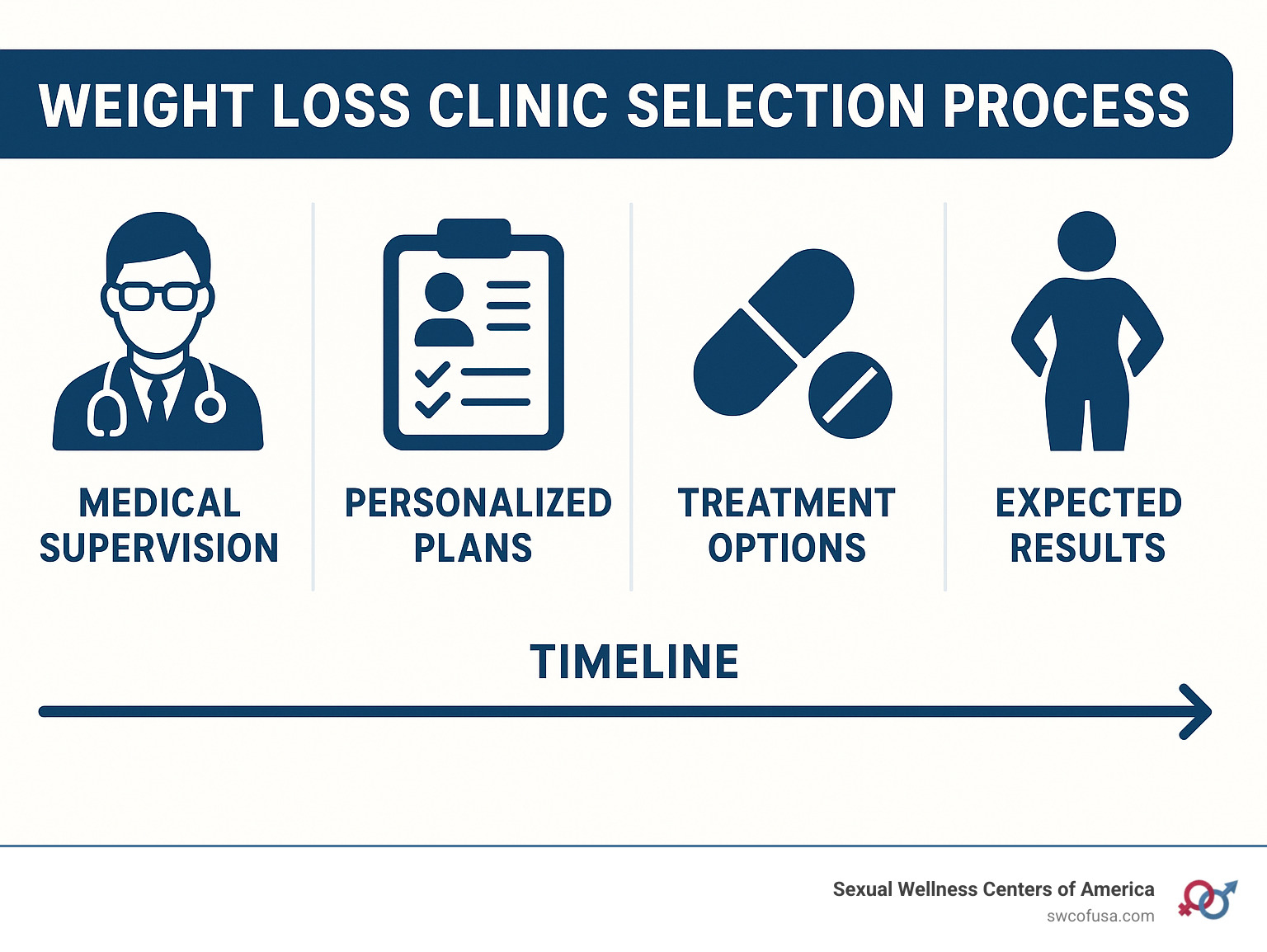
Weight loss clinic terms simplified:
– medically managed weight loss
– medical weight loss
How Weight Loss Clinics Differ From DIY Programs
When you’ve tried diet after diet with disappointing results, it’s easy to wonder what makes a weight loss clinic different from the self-help programs you’ve already attempted. The truth is, there’s a world of difference.
The cornerstone difference is professional medical supervision. At a weight loss clinic, your journey is overseen by physicians who specialize in obesity medicine. These experts understand the complex relationship between your weight, hormones, metabolism, and existing health conditions. They can spot hidden medical issues that might be sabotaging your efforts.
“Many patients come to us frustrated after trying everything on their own,” says Dr. Jeff Nuziard, CEO of Sexual Wellness Centers of America. “They’re often surprised to find underlying factors like hormonal imbalances or medication side effects that were working against them all along.”
This medical expertise gives you access to prescription medications unavailable in commercial programs. Research shows patients using prescription weight-loss medications alongside structured behavioral programs lose up to 54% more weight than with behavioral programs alone.
Weight loss clinics provide comprehensive health assessments that include detailed lab work, EKGs, and sophisticated body composition analysis. These aren’t generic plans – they’re precisely custom to your unique physiology.
Most clinical programs use specific Body Mass Index (BMI) thresholds to determine appropriate treatments. Insurance coverage typically requires a BMI over 30, or over 27 with weight-related health conditions like diabetes or hypertension.
Perhaps most exciting is access to FDA-approved medications like GLP-1 agonists (semaglutide, tirzepatide) that have shown remarkable results – typically 10-20% body weight reduction.

Is a Weight Loss Clinic Right for You?
You’ll likely benefit from a weight loss clinic if you have obesity (BMI ≥30) or are overweight (BMI ≥27) with related health conditions like high blood pressure, type 2 diabetes, or sleep apnea. These clinics are particularly valuable if you’ve tried multiple diet and exercise programs without achieving or maintaining significant weight loss.
People with hormonal issues affecting weight – such as thyroid disorders, polycystic ovary syndrome, or insulin resistance – often find that clinical programs address root causes that diet alone can’t fix. Similarly, if you take medications with weight gain as a side effect, a medical approach can help counterbalance these challenges.
Certain groups have special considerations. Teens (ages 12-17) with severe obesity may qualify for certain medical weight loss programs, though their treatment options are more limited than for adults. Seniors often benefit tremendously from clinical weight management that accounts for age-related metabolic changes and potential medication interactions.
Services & Treatments You Should Expect
When you walk into a quality weight loss clinic, you’re entering a world of options far beyond “just eat less and move more.” Let’s explore what treatments and services you should expect from a comprehensive clinic.
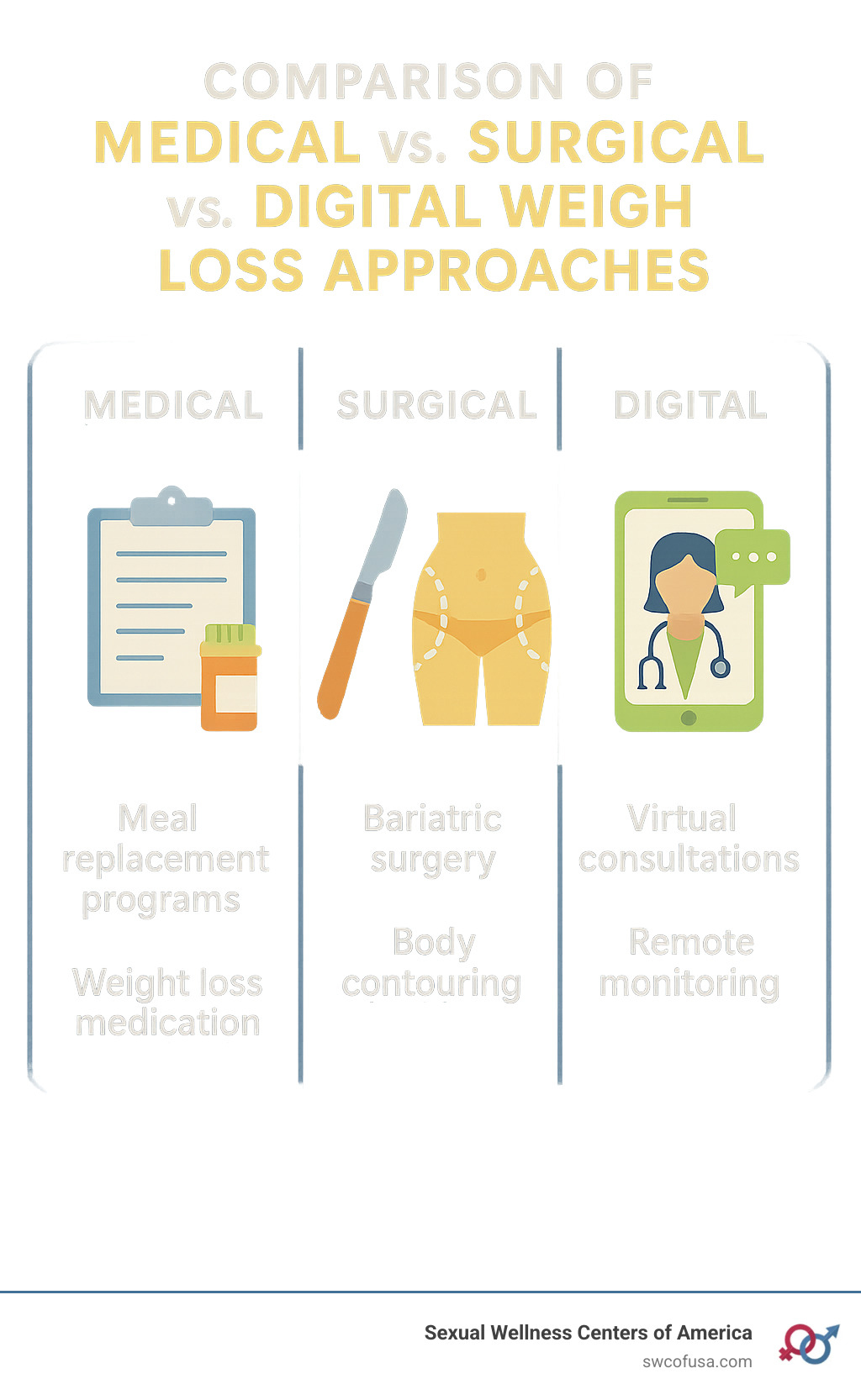
Medication Options
Today’s most effective weight loss clinics offer medications that can be game-changers for many patients:
GLP-1 Receptor Agonists have revolutionized medical weight management. Medications like Wegovy®, Saxenda®, and Zepbound® work by mimicking natural gut hormones that tell your brain “I’m full” while also regulating blood sugar. Research shows patients often lose 15-20% of their body weight over 68 weeks. These are typically given as simple weekly injections that you can learn to do at home.
Traditional Appetite Suppressants still have their place for some patients. Medications like phentermine can help control hunger, though they’re typically prescribed for shorter periods due to their stimulant properties.
For those battling food cravings along with hunger, Combination Medications like Contrave® (bupropion-naltrexone) target multiple pathways in the brain that influence eating behaviors.

Non-Medication Treatments
Medications are powerful tools, but they work best as part of a comprehensive approach. Quality weight loss clinics provide supportive services that help you create lasting change:
Nutritional Counseling with registered dietitians helps you develop eating patterns you can actually maintain. Unlike cookie-cutter diet plans, these experts customize recommendations based on your food preferences, cultural background, and medical needs.
Behavioral Therapy addresses the emotional side of eating – those stress-induced snack attacks, comfort food habits, or mindless munching patterns that sabotage your efforts.
Many people struggle with knowing how to exercise safely and effectively. Exercise Physiology services provide activity recommendations custom to your current fitness level, any physical limitations, and what you might actually enjoy doing.
Telehealth vs. In-Person Options
Life is busy, and the best weight loss clinics recognize this reality by offering flexible care models:
Virtual Consultations allow you to meet with your healthcare team from the comfort of home. Many patients find these convenient check-ins make consistent follow-up much easier to maintain.
Remote Monitoring tools help you track your progress between appointments. Digital scales, food tracking apps, and activity monitors can all share information with your healthcare team, allowing for real-time adjustments to your plan.
Personalization & Multidisciplinary Care
What truly sets excellent weight loss clinics apart is their commitment to treating you as an individual, not a statistic. Your journey begins with comprehensive testing to understand your unique biology:
Laboratory Workups reveal what’s happening beneath the surface – hormone imbalances, metabolic issues, nutritional deficiencies – factors that might be silently sabotaging your efforts.
Body Composition Analysis looks beyond the simple number on the scale to measure what really matters: body fat percentage, muscle mass, and visceral fat.
The best weight loss clinics bring together teams of specialists who collaborate on your care:
Physicians oversee your medical safety and prescribe appropriate medications based on your health history and goals.
Registered Dietitians create eating plans that work with your lifestyle, food preferences, and budget.
Behavioral Health Specialists help you steer the emotional aspects of weight loss, addressing patterns like stress eating or using food as comfort.
For more specialized approaches to metabolism and weight management, peptide therapy can be an innovative option offered by some advanced clinics. The latest scientific research on GLP-1 efficacy continues to show promising results for patients with obesity.
The Step-by-Step Patient Journey Inside a Weight Loss Clinic
Walking into a weight loss clinic for the first time can feel both exciting and nerve-wracking. Let me walk you through what your journey will actually look like, so you’ll feel prepared and confident.
Initial Consultation
Your first visit sets the foundation for your entire weight loss journey. During this visit, you’ll have a conversation about your weight history – the ups, downs, and everything in between. Your doctor will want to understand previous diet attempts, any medical conditions you’re managing, medications you’re taking, and relevant family history.
You’ll also undergo a basic physical exam where they’ll check vital signs like blood pressure and heart rate, plus record your starting weight and height. This baseline information is crucial for tracking your progress.
Together with your doctor, you’ll set realistic weight loss goals and discuss treatment options that match your specific needs, including a transparent conversation about costs, insurance coverage, and payment plans.
Diagnostic Testing
Before your treatment begins, your weight loss clinic will want to understand what’s happening inside your body. This typically includes:
Blood work that examines your metabolic health, thyroid function, cholesterol levels, blood sugar control, and sometimes hormone levels. These tests can reveal hidden factors affecting your weight.
Many clinics will perform an electrocardiogram (EKG) to check your heart health, especially if you’ll be taking weight loss medications.

Treatment Initiation
Once your evaluation is complete, your personalized plan begins! If your doctor prescribes medication, you’ll receive detailed instructions on proper usage, potential side effects to watch for, and how you’ll be monitored.
Your nutritional plan will be crafted around your food preferences, lifestyle demands, and medical needs. A good weight loss clinic knows that the most effective diet is one you can actually stick with.
You’ll also learn practical behavioral strategies to manage cravings and emotional eating, along with activity recommendations custom to your current fitness level.
Ongoing Monitoring
The support doesn’t end after your first few visits. Regular check-ins – typically weekly or bi-weekly at first – help keep you on track and allow for adjustments to your plan.
During these follow-ups, you’ll step on the scale, possibly have your body composition re-checked, and sometimes repeat lab work to monitor your health markers. Based on your progress and feedback, your team might tweak your medications, nutrition plan, or exercise recommendations.
Maintenance Phase
Reaching your goal weight is a huge achievement – but the journey doesn’t end there. Your weight loss clinic will help you transition from active weight loss to long-term maintenance.
Visit frequency typically decreases to monthly, then quarterly check-ins. The focus shifts from losing weight to sustaining your new healthy habits and preventing weight regain – often the trickiest part of weight management.
For more details about what to expect as a new patient at our clinic, visit our new patients page.
Safety, Costs & Long-Term Maintenance
When you’re investing in your health through a weight loss clinic, understanding the safety protocols, costs, and long-term strategies is just as important as knowing about the treatments themselves.
Safety Considerations
Every effective weight loss clinic puts your safety first. After all, sustainable weight loss isn’t just about dropping pounds—it’s about improving your overall health.
Weight loss medications, while incredibly effective, can come with side effects that vary from person to person. With GLP-1 agonists, many people experience some digestive discomfort like nausea or constipation, especially when first starting treatment.
If you’re prescribed stimulant medications, you might notice an increased heart rate, slightly higher blood pressure, or occasional sleep disruptions. And rapid weight loss itself can sometimes lead to gallstones, temporary hair thinning, or nutritional gaps if not carefully monitored.
This is precisely why quality weight loss clinics implement comprehensive safety protocols. Before starting any treatment, you’ll undergo thorough screening to identify any potential contraindications. Your vital signs will be checked at every follow-up visit, and periodic blood work ensures your body is responding well to treatment.

Budgeting for Your Weight Loss Clinic Program
Let’s talk about the financial side of medical weight loss—because being prepared helps you plan for success.
The initial consultation at a weight loss clinic typically ranges from $250-450, reflecting the comprehensive nature of this first evaluation. Follow-up visits generally cost between $100-250 each, with frequency varying from weekly to monthly depending on your specific program and progress.
Laboratory testing adds another $100-300 to the equation, depending on which tests your situation requires. Then there’s medication costs: GLP-1 agonists can run $900-1,500 monthly without insurance coverage, while traditional appetite suppressants are more affordable at $50-150 per month.
The good news? Insurance coverage for weight loss clinic services has improved significantly in recent years. Many plans now cover obesity treatment visits if you have a BMI over 30, or over 27 with weight-related conditions like diabetes or hypertension.
Most clinics offer flexible payment options, including payment plans, acceptance of HSA/FSA funds for eligible expenses, and assistance accessing manufacturer discounts or patient assistance programs for medications.
Long-Term Maintenance Strategies
The true measure of a weight loss clinic‘s success isn’t just how much weight you lose initially—it’s whether you keep it off long-term. The best clinics build maintenance planning into their programs from day one.
Once you’ve reached your goal weight, effective clinics provide specific transition strategies for moving from active weight loss to maintenance. This often includes continued but less frequent medical monitoring, with visits perhaps shifting from weekly to monthly and eventually quarterly.
Your medication regimen may be modified or used intermittently during maintenance, always with careful medical oversight. The best programs also include early intervention protocols if your weight begins to creep up, catching small changes before they become major setbacks.
For more research-based information on weight management options, visit scientific research on weight-management options.
Frequently Asked Questions About Picking a Weight Loss Clinic
What qualifications should the clinic staff have?
When researching clinics, look at staff credentials. Physicians should ideally have board certification in obesity medicine, internal medicine, or family medicine. The gold standard is American Board of Obesity Medicine (ABOM) certification – these doctors have specialized training specifically in helping patients with weight management.
For the other team members, nurse practitioners and physician assistants should have specialized weight management training and work under physician supervision. Your nutrition guidance should come from someone with RD or RDN (Registered Dietitian) credentials, preferably with experience in medical weight management programs.
The mental and emotional side of weight loss matters tremendously too. Look for behavioral specialists who are licensed psychologists, counselors, or social workers with specific experience in eating behaviors and weight management psychology.
How quickly will I see results and what is realistic?
Most patients begin seeing noticeable changes within 2-4 weeks of starting a comprehensive program. Your clothes might feel a bit looser, you might have more energy, and you’ll likely see some movement on the scale.
With GLP-1 medications, you can typically expect to lose about 1-2% of your body weight per month, with many patients achieving 10-20% total weight loss over 6-12 months. Traditional programs without these newer medications often target 1-3 pounds per week, which medical experts consider both safe and sustainable.
One important truth about weight loss: it’s rarely a straight line down. You’ll likely experience periods of faster loss alternating with plateaus where the scale seems stuck. This is completely normal and part of the process!
From a health perspective, medical guidelines consider a 5-10% weight loss clinically significant for improving conditions like high blood pressure or diabetes. Many patients achieve more than this, but even these “modest” losses can dramatically improve your health.

What questions should I ask during my first visit?
About the program itself, ask about their specific approach for someone with your health profile. “What specific weight loss approach do you recommend for me and why?” This helps you understand their reasoning and whether they truly personalize care.
Medication discussions are crucial if you’re considering this route. Find out which medications might be appropriate for your situation, what potential side effects you might experience, and how the clinic helps manage those effects.
Nutrition and exercise guidance varies widely between clinics. Ask about their dietary philosophy and whether they provide structured meal plans or more general guidance. Find out how they’ll help you develop an exercise plan that matches your current fitness level and preferences.
Financial clarity is essential to avoid surprises. Ask about the total expected program cost, which services your insurance might cover, and any additional costs you should anticipate.
Long-term support questions reveal how committed the clinic is to your sustained success. Ask what happens after you reach your goal weight, what maintenance support they provide, and their approach if you experience weight regain.
At Sexual Wellness Centers of America, we believe informed patients make the best partners in health change.
Conclusion
Choosing the right weight loss clinic is a pivotal decision in your health journey. The best clinics offer more than just quick results—they provide comprehensive care that addresses the complex factors influencing weight and equip you with tools for lasting success.
When evaluating clinics, consider what truly matters for your long-term health. Medical expertise isn’t just a nice-to-have—it’s essential. Board-certified physicians and specialized professionals understand the science behind weight management and can create truly effective plans based on your unique biology.
Personalization makes all the difference in weight management. Your body, lifestyle, and goals aren’t identical to anyone else’s, so why would a one-size-fits-all approach work? Quality clinics take time to understand your specific needs before recommending treatments.
The most successful approaches combine multiple strategies. Comprehensive care that integrates medications (when appropriate), nutrition guidance, behavioral support, and physical activity recommendations creates a foundation for lasting change.
Your safety should never be compromised. Reputable weight loss clinics implement rigorous safety protocols including thorough screening, regular monitoring, and evidence-based treatments.
Perhaps most importantly, the journey doesn’t end when you reach your goal weight. Long-term support is what separates truly effective clinics from the rest. Weight maintenance often requires different strategies than initial weight loss, and quality clinics provide ongoing guidance through this transition.
At Sexual Wellness Centers of America in Colleyville, TX, we understand that weight management is often connected to hormonal balance and overall wellness. Our approach integrates comprehensive testing with personalized treatment plans to address not just symptoms but underlying causes of weight challenges.
For more information about our approach to weight loss management, visit our weight-loss management page.

The journey to sustainable weight management has its ups and downs, but with the right clinical support, you can achieve lasting results that improve not just your weight but your overall health and quality of life.