
Why Finding the Right Weight Loss Management Center Changes Everything
A weight loss management center is a medical facility that provides supervised, personalized programs to help people lose weight and keep it off. Here’s what you can typically expect from a quality center:
| What to Look For | What It Means for You |
|---|---|
| Medical supervision | A licensed physician monitors your health throughout |
| Personalized treatment plan | Your program is built around your body, history, and goals |
| Nutrition counseling | A registered dietitian guides your eating habits |
| Behavioral support | Psychologists or counselors help address emotional eating |
| Surgical and non-surgical options | You get the right level of care for your situation |
| Follow-up care | Ongoing check-ins to help you maintain results |
More than two-thirds of U.S. adults struggle with weight or weight-related health issues. Yet most people try to manage it alone — with diets, apps, or willpower — without ever getting the structured medical support that actually moves the needle long-term.
The difference between a quick-fix program and a true weight loss management center comes down to one thing: treating obesity as the chronic condition it is, not a problem you can solve in 30 days.
Whether you’re dealing with stubborn weight gain, a health condition like Type 2 diabetes or sleep apnea, or hormonal shifts that make weight loss feel impossible — professional centers are built to address the full picture.
I’m Jeff Nuziard, CEO of Sexual Wellness Centers of America, where we’ve seen how closely weight, hormones, and overall wellness are connected — and how the right weight loss management center can be a turning point for patients in their 40s, 50s, and beyond. In the sections below, I’ll walk you through how to evaluate your options and find a program that’s actually built for lasting results.
Similar topics to weight loss management center:
Finding the Right Weight Loss Management Center

When we talk about obesity, we aren’t just talking about a number on a scale. Modern medicine recognizes obesity as a complex, chronic disease. This means it requires chronic management—much like high blood pressure or asthma. If you’ve ever felt like you were “failing” at a diet, the truth is likely that the diet was failing to address your biology.
A reputable weight loss management center moves away from the “eat less, move more” mantra and dives into the science of why your body holds onto weight. This journey usually begins with an initial consultation that is far more thorough than a standard check-up. You can expect a deep dive into your medical history, previous weight loss attempts, and an exploration of the environmental and psychological factors at play.
One of the most critical components of a modern Weight Loss Clinic is metabolic testing. By understanding your resting metabolic rate and how your body processes fuel, specialists can move away from generic templates and toward personalized plans. These plans are the “secret sauce” of clinical success; they account for your genetics, lifestyle, and specific health hurdles.
Key Services Offered at a Weight Loss Management Center
The hallmark of a high-quality center is the multidisciplinary team. You aren’t just seeing a doctor; you are gaining access to a “board of directors” for your health. This team often includes:
- Obesity Medicine Physicians: Doctors specialized in the clinical treatment of weight.
- Registered Dietitians: Experts who provide nutritional guidance that goes beyond calorie counting.
- Exercise Physiologists: Specialists who design physical activity plans safe for your current fitness level.
- Behavioral Health Specialists: Psychologists or social workers who help you navigate the emotional triggers behind eating.
Medical supervision is the foundation of Weight Loss Management. Having a physician monitor your blood pressure, heart rate, and metabolic markers ensures that as the weight comes off, your body remains in balance. Furthermore, lifestyle modification support provides the “how-to” for daily life—helping you navigate grocery aisles, social gatherings, and stress without derailing your progress.
The Patient Journey and Process
Getting started is often the hardest part, but professional centers make the process structured and supportive. After your initial screening, many programs require a period of self-observation. This might include keeping a food diary or a physical activity log. This isn’t about judgment; it’s about data. It helps the team see patterns—like “stress eating” at 4:00 PM or “mindless grazing” while watching TV.
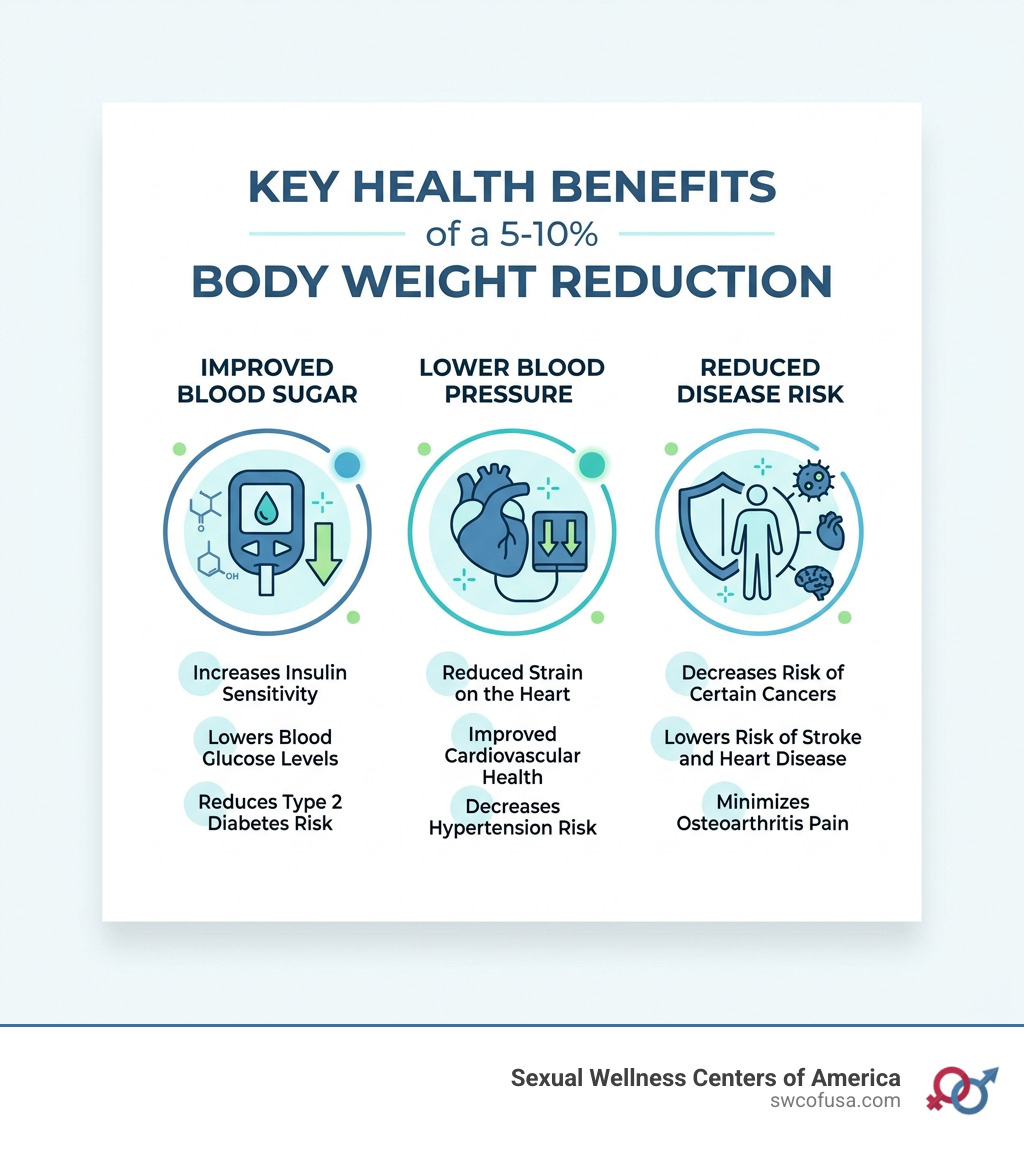
Mental health considerations are also front and center. Many of us use food as a coping mechanism for stress, anxiety, or trauma. A comprehensive center addresses these roots through behavioral therapy. Finally, the process doesn’t end when you hit your goal weight. Follow-up care is perhaps the most vital stage. Statistics show that health benefits are associated with even a modest weight loss of 5 to 10 percent, provided it is maintained. Long-term success requires a “maintenance phase” where the team helps you solidify your new habits for life.
Non-Surgical Treatment Pathways
Not everyone needs or wants surgery to achieve significant health improvements. For many, medical weight management through non-surgical means is the most effective and sustainable route. This pathway focuses on the “pillars” of health: nutrition, behavior, physical activity, and, when appropriate, pharmacotherapy.
Pharmacotherapy has evolved significantly in recent years. We are no longer limited to basic stimulants. Modern Medically Managed Weight Loss often utilizes FDA-approved obesity medications, including GLP-1 receptor agonists. These medications work by mimicking hormones that target areas of the brain that regulate appetite and food intake. They can be a game-changer for patients who struggle with constant hunger or “food noise.”
Additionally, some centers incorporate Peptide Supplements for Weight Loss. These are short chains of amino acids that can help signal the body to burn fat more efficiently or improve muscle recovery. When combined with a structured program, these medical interventions help level the playing field for those whose biology makes traditional dieting difficult.
Medical and Lifestyle Interventions
Nutrition counseling at a weight loss management center is a far cry from the “dieting” of the past. Instead of restriction, the focus is on nutritional therapy—learning how to fuel your body to prevent hunger and maintain energy. This often involves tailored meal planning that considers your preferences and cultural background.
Lifestyle modification strategies are the tools you use to build a “new normal.” This includes sleep hygiene (since poor sleep is a major driver of weight gain) and stress management techniques. Physical activity is also introduced gradually. You don’t need to run a marathon on day one; the goal is to find movement you enjoy and can sustain.
At Sexual Wellness Centers of America, we also recognize the massive impact of hormones. Hormone Replacement Therapy and Weight Loss are often linked, especially for men and women in mid-life. When testosterone or estrogen levels drop, the body naturally tends to store more visceral fat. By optimizing these levels through a personalized hormone panel, we can often “unlock” weight loss that previously felt stuck.
Quality Standards, Eligibility, and Insurance
How do you know if you are a candidate for a professional program? Most centers use Body Mass Index (BMI) as a starting point. While BMI isn’t a perfect measure of health, it serves as a helpful screening tool. Generally, “medically significant obesity” is defined as a BMI of 30 or above. However, if you have related medical conditions (comorbidities) like high blood pressure, sleep apnea, or Type 2 diabetes, you may qualify with a BMI as low as 27.
To get a quick estimate of where you stand, you can use the BMI calculator provided by the CDC. Beyond BMI, centers look at waist circumference. For women, a measurement of 35 inches or more—and for men, 40 inches or more—indicates a higher risk for health problems related to deep belly fat (visceral fat).
Long-Term Success at a Weight Loss Management Center
The “yo-yo” effect of dieting is one of the most soul-crushing experiences for those trying to lose weight. Quality centers combat this with dedicated maintenance programs. These programs provide ongoing support for years, not just weeks.
Success stories from these centers often highlight more than just “before and after” photos. Patients report being able to move more easily, experiencing less chronic pain from arthritis, and enjoying a more positive mindset. The ultimate goal of any weight loss management center is to help you live a healthy, active, and fulfilling life where weight is no longer a barrier to your happiness.
Navigating Insurance and Financial Aspects
The financial side of weight management can feel daunting, but many services are covered by insurance—especially if you have weight-related health issues. The first step is always coverage verification. You should contact your insurance provider to ask specifically about “medical weight management” or “nutritional counseling” benefits.
Be prepared for:
- Co-payments: The fixed amount you pay for each visit.
- Deductibles: The amount you pay out-of-pocket before insurance kicks in.
- Out-of-pocket costs: Expenses for things like meal replacements or certain supplements that may not be covered.
Many centers also offer financial assistance or payment plans for uninsured patients. It is always better to have a transparent conversation about costs during your initial consultation so there are no surprises down the road.
Frequently Asked Questions about Weight Loss Centers
What are the typical BMI requirements for medical weight loss programs?
Most programs accept patients with a BMI of 30 or higher. However, if you have an “obesity-related comorbidity”—such as heart disease, diabetes, or severe joint pain—the threshold often drops to a BMI of 27 or 25, depending on the specific clinic’s guidelines.
How does medical weight loss differ from commercial diet programs?
Commercial programs (like those found in apps or boxed-meal services) are generally “one-size-fits-all” and lack medical oversight. Medical weight loss is a clinical treatment. It involves blood work, metabolic testing, and the ability to prescribe medications or adjust treatment based on your unique physiological response. It treats weight loss as a medical necessity rather than a cosmetic goal.
Will my health insurance cover the cost of weight management services?
Many major insurers now recognize obesity as a disease and provide coverage for physician visits and nutritional counseling. Some also cover FDA-approved weight loss medications. However, coverage varies wildly between plans. Always verify your specific benefits with your carrier before starting a program.
Conclusion
Finding a weight loss management center is about more than just shedding pounds; it’s about reclaiming your vitality and longevity. Whether you are looking for medical supervision, advanced pharmacotherapy, or a lifestyle overhaul, the right center provides the scaffolding you need to build a healthier future.
At Sexual Wellness Centers of America in Colleyville, TX, we understand that weight management is a piece of a much larger puzzle. We specialize in sexual health and overall wellness, offering innovative treatments like HEshot®™ and SHEshot®™ alongside our REGENmax® technology. We believe that when your hormones are balanced and your nutrition is optimized, your body can perform at its peak.
Our approach is built on personalized plans derived from comprehensive hormone and vitamin panels. We’ve seen how optimizing a patient’s internal chemistry can lead to a 97.2% efficacy in reversing issues like erectile dysfunction—and we know that healthy weight management is a cornerstone of that success.
If you are ready to stop the cycle of “fad dieting” and start a science-based journey toward wellness, we are here to help. Explore our services for Weight Loss Management Colleyville TX and discover how a multidisciplinary approach can transform your life from the inside out. Your journey to a healthier, more vibrant you starts with a single, informed step. Let’s make it together.